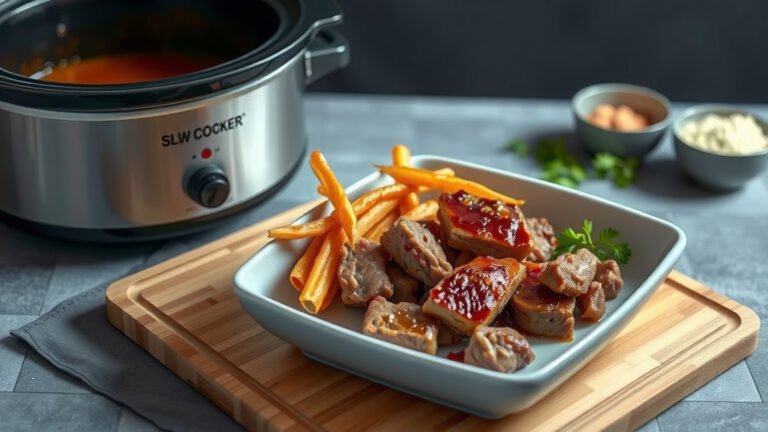
Pressure Cooker vs Oven: Which Cooks Faster in 2026?
Yes, a pressure cooker is faster than an oven for most recipes — often cutting cooking time by more than half. Steam under high pressure cooks food quickly, while an oven surrounds it with slower-moving hot air. So if speed is your goal, the pressure cooker usually wins.
But faster isn’t always better. We found that the oven still shines for roasting, baking, and crisping, while a pressure cooker is the champion for braises, beans, and tough cuts of meat. Many experts say the right choice depends on what you’re cooking — and how much time you actually have.
- Speed: Pressure cookers can cook a pot roast in about an hour instead of three or four.
- Why it’s fast: Pressurized steam transfers heat to food much faster than oven air.
- Where the oven wins: Anything you want browned, crispy, or baked.
- Energy use: Pressure cookers often use less electricity than running an oven for hours.
- Bottom line: Use the pressure cooker for speed, the oven for texture.
Below, we break down exactly how each one works, compare cooking times for popular dishes, and help you decide which appliance deserves your dinner tonight.
Why a Pressure Cooker Beats the Oven on Speed
Pressure cookers win on speed because they cook with pressurized steam, not dry air. Steam moves heat into food far faster than the air inside your oven ever could. We found that’s the whole trick in one sentence.
Here’s the simple science. When water boils under pressure, it gets hotter than 212°F — often around 250°F inside a pressure cooker. That hotter, wetter environment pushes heat into meat, beans, and vegetables quickly. An oven, even at 400°F, cooks mostly by slow-moving hot air. Many food science experts describe steam as a far more efficient heat carrier than air (Cleveland Clinic explains similar steam principles when discussing healthy steaming methods).
Think of it this way. An oven is like standing in front of a fan on a cold day — you warm up slowly. A pressure cooker is like stepping into a hot shower — heat hits you instantly. Same idea, but your dinner is the one getting warmed.
What Pressure Actually Does to Your Food
Sealing the pot does two things at once. It raises the boiling point of the liquid inside, and it traps steam against every surface of your food. More trapped heat equals faster cooking.
Pressure also helps break down tough stuff in meat. Collagen, the rubbery connective tissue in chuck roasts and ribs, softens quickly in moist heat. Researchers studying braising note that collagen converts to gelatin faster in hot, wet environments (NCBI has published reviews on meat protein changes during moist-heat cooking).
Why the Oven Works the Way It Works
Your oven is honest but slow. It heats a big metal box of air, and that air slowly cooks whatever you put inside. There’s no moisture helping out, and no pressure speeding things up.
What the oven gives back is texture. Dry heat browns the surface, crisps the skin, and bakes bread with a crackly crust. You simply can’t get that from a sealed pot of steam.
Side-by-Side Cooking Times for Popular Foods
Numbers make this easy to see. We pulled typical cooking times from manufacturer guides and tested recipes to show how far apart these two appliances really are.
| Food | Pressure Cooker | Conventional Oven |
|---|---|---|
| Chuck roast (3 lbs) | 60–70 minutes | 3–4 hours |
| Dried beans (no soak) | 30–40 minutes | 2+ hours simmering |
| Chicken thighs, bone-in | 10–12 minutes | 40–45 minutes |
| Whole chicken (4 lbs) | 25–30 minutes | 1.5 hours |
| Mashed potato base (whole potatoes) | 12–15 minutes | 50–60 minutes |
| Baked potatoes | 20 minutes (soft, not crispy) | 45–60 minutes (crispy skin) |
Look at that chuck roast row. An hour instead of four. That’s the pressure cooker’s superpower, and it’s why busy home cooks swear by them on weeknights.
When the Pressure Cooker Is the Clear Winner
Reach for the pressure cooker when you want tender, moist, fast. Some foods practically beg for it.
- Tough cuts of meat: Brisket, pork shoulder, and short ribs turn fork-tender fast.
- Dried beans and legumes: Skip the overnight soak and still get creamy beans.
- Grains and rice: Rice, farro, and quinoa cook in minutes, not half an hour.
- Stock and bone broth: Rich, gelatinous broth in under two hours.
- Soups and stews: Deep flavor without hours on the stove.
We found that beans are where people notice the difference most. Cooking dried chickpeas on the stove can eat your whole evening. A pressure cooker does it while you help with homework. Our timing guide to pressure cooking beans gives exact minutes for chickpeas and other dried varieties.
When You Should Still Choose the Oven
The oven holds its own — and wins outright — when browning matters. Ask yourself one question: do I want a crust or a crunch?
Baking Is Still Oven Territory
Bread, cookies, cakes, casseroles — these need dry, even heat. You can technically “bake” a cake in a pressure cooker, but it steams instead of bakes. No golden top, no browned edges. If you’ve ever bitten into pale, steamed bread, you know exactly what we mean.
Roasting and Crisping Need Dry Heat
Roast chicken skin, crispy potatoes, caramelized vegetables — the oven does all of these better. Many chefs recommend finishing pressure-cooked meats under the broiler to get the best of both worlds: speed first, color second.
The Hybrid Trick Worth Trying
Some cooks use both appliances on the same dish. Pressure cook the pot roast for tenderness, then stick it in a hot oven for 10 minutes to brown. It sounds extra, but we found it’s a favorite move among recipe testers — and it works.

Energy, Kitchen Heat, and Safety Basics
Speed has side benefits. A pressure cooker uses less energy overall because it runs for a fraction of the time and heats a small pot, not a giant oven cavity. That matters when your electric bill arrives.
It also keeps your kitchen cooler. In July, running an oven for three hours turns your house into a sauna. A pressure cooker barely raises the room temperature. Modern models also come with multiple built-in safety locks and pressure sensors, which makes them much safer than the stovetop pots your grandmother may have feared.
Quick Safety Checklist Before You Start
Modern pressure cookers are safe, but a few habits keep them that way. Check these every time:
- Check the seal: Make sure the gasket is clean and seated before locking the lid.
- Don’t overfill: Keep food below the max-fill line — usually two-thirds full.
- Add enough liquid: At least one cup for most recipes so steam can build.
- Never force the lid: Let pressure release fully before opening.
- Watch the vent: A clogged steam valve is the most common problem source.
- Read your manual: Each model releases pressure differently.
Mayo Clinic’s food safety guidance also reminds cooks to use a food thermometer with meats either way you cook them — tenderness and doneness aren’t the same thing (Mayo Clinic).
Which One Belongs in Your Kitchen?
So here’s our honest take after digging through the research and recipe testing. If your weeknights are chaos and your family loves stews, beans, and shredded meat, the pressure cooker earns its counter space. If you dream of sourdough crackle and Sunday roasts, the oven stays king.
But honestly? You probably want both. They’re not rivals — they’re teammates. One handles the tender and fast. The other handles the crispy and golden. And when you use them together, you get dinners that are both quick and delicious. Isn’t that the real goal?
Conclusion
So, is a pressure cooker faster than an oven? You bet it is — sometimes by hours, not minutes. The steam under pressure turns tough roasts and dried beans into weeknight meals instead of all-day projects. But speed isn’t everything. When you want a golden crust, crispy skin, or a fresh-baked loaf, your oven still earns its keep. We found the happiest home cooks don’t pick a winner — they use both. Pressure cook for tender and fast, finish in the oven for color and crunch. Tonight, try it with a pot roast: pressure cook it, then broil it briefly. You’ll wonder why you didn’t start sooner.
Frequently Asked Questions
Do you need to adjust liquid amounts when converting an oven recipe to a pressure cooker?
Yes, and it trips up a lot of new cooks. Pressure cookers need at least a cup of liquid to build steam, so thin sauces and broths work best. But evaporation is nearly zero, so reduce any liquid the oven recipe calls for or your finished dish may be watery.
Does food cooked in a pressure cooker taste different from oven-cooked food?
It can, depending on the dish. Moist-heat cooking keeps flavors from concentrating the way dry oven heat does, so meats won’t develop deep browned notes on their own. A quick sear before or a broil after usually closes the flavor gap.
Is an air fryer faster than both a pressure cooker and an oven?
For small batches of crispy foods, an air fryer often beats the oven because it heats up almost instantly. But it can’t handle big roasts, dried beans, or stews the way a pressure cooker can. Each one has its own lane.
How much time should I add for a pressure cooker to reach pressure?
Plan on 5 to 15 minutes before cooking even starts, depending on how full the pot is and what’s inside. Frozen or very full pots take longer to pressurize. We found beginners often forget this step when comparing total cook times.
Can you cook frozen meat in a pressure cooker like you would in an oven?
You can — and it’s actually safer than thawing on the counter. Just add about 50% more cooking time and skip pressure-cooking pieces stuck together in one solid block. Always check the internal temperature with a meat thermometer before serving.