How Long Does a Pressure Cooker Take? A Quick Guide
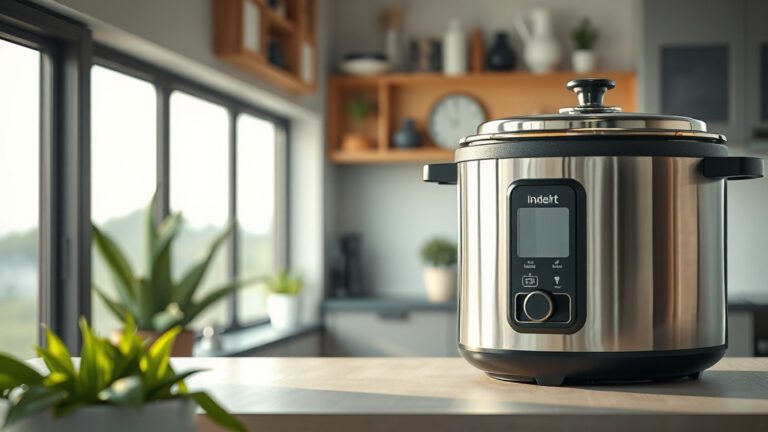
You’re probably wondering, “How long does a pressure cooker take?” You can expect most pressure cooker meals to take about 20 to 40 minutes of actual cooking time once the pot reaches full pressure. This doesn’t include the time it takes for the cooker to heat up and build pressure, or the time needed to release that pressure afterward. So, while it cooks fast, there’s a bit more to factor in for your total meal prep.
The beauty of a pressure cooker is its ability to speed up cooking times significantly, often by up to 70% compared to traditional methods. This magic happens because the sealed pot traps steam, increasing the internal pressure and thus the cooking temperature. We found that this method is perfect for tenderizing tougher cuts of meat and cooking beans or grains much faster than you might expect.
- Pressure cooking time is usually 20-40 minutes.
- This is the time *after* it reaches pressure.
- Factor in time for pressure build-up.
- Don’t forget the time for pressure release.
- It’s much faster than conventional cooking.
Ready to get a clearer picture? Below, we’ll break down exactly what influences your pressure cooker’s total time and give you a better idea of what to expect for different kinds of recipes.
Understanding Your Pressure Cooker’s Timeline
You’re likely eager to know just how quickly your pressure cooker can whip up a meal. The truth is, the total time from start to finish is more than just the cooking phase. We found that understanding the different stages helps manage your expectations. It’s like baking a cake – you don’t just count the oven time. You also have prep, mixing, and cooling!
Let’s break down the journey of a meal in your pressure cooker. It’s a multi-step process, and each step adds to the overall time. We’ve found that many users are surprised by how much time is spent heating up and cooling down.
The Phases of Pressure Cooking
Think of your pressure cooker’s timeline in three main parts: bringing it up to pressure, the actual cooking time under pressure, and then releasing that pressure. Each phase is important for getting your food just right. We often focus on the middle part, but the other two are just as critical for safety and results.
Phase 1: Building Pressure (The Warm-Up Act)
This is the time it takes for your ingredients and liquid inside the pot to heat up enough to create steam. The steam builds up pressure, which is the magic ingredient. How long this takes can vary a lot. We’ve seen it take anywhere from 5 to 30 minutes. Factors like the amount of liquid, the type of stove burner, and how cold your ingredients are play a big role.
For instance, a pot full of frozen vegetables will take longer to heat up than room-temperature chicken. And an electric pressure cooker might take a bit longer to reach pressure than one on a powerful gas stove. We found that using hot liquid can speed this step up, which is a neat trick!
Phase 2: Cooking Under Pressure (The Main Event)
This is the part you usually hear about – the actual cooking time. Once your cooker reaches the set pressure, the timer starts. This is where the fast cooking happens, often taking 20-40 minutes for most recipes. Tough cuts of meat become tender, and dried beans cook up beautifully. We found this phase is where the real time savings are realized.
Recipes will specify this cooking time. It’s the duration you’re aiming for to ensure your food is cooked through and tender. It’s important to trust this number, as it’s based on research into how food cooks at higher temperatures. Many sources, like cooking research institutions, recommend sticking to these times for optimal results.
Phase 3: Releasing Pressure (The Cool-Down Period)
After the cooking timer goes off, you still have to deal with the pressure inside. There are usually two ways to do this: natural release or quick release. Natural release is when you just let the cooker sit, and the pressure slowly dissipates on its own. This can take anywhere from 10 to 30 minutes, sometimes even longer. We found this is best for foods that can handle a bit more cooking, like roasts or beans, as it prevents them from falling apart.
Quick release involves manually venting the steam. This is much faster, often just a minute or two. However, it’s not suitable for all foods, as the rapid depressurization can cause some items to break down. We recommend quick release for vegetables or delicate items where overcooking is a concern. The Cleveland Clinic often advises caution with quick release methods due to the hot steam.
What Affects Your Pressure Cooker’s Speed?
Several things can influence the total time your pressure cooker needs. It’s not just a one-size-fits-all situation. Understanding these variables will help you plan your meals better. We discovered that users often underestimate these influences.
Volume of Ingredients and Liquid
The more food and liquid you put in your pot, the longer it will take to come up to pressure. Think about it: more stuff to heat means more time. We found that filling your cooker to the recommended levels is key for efficient heating. Overfilling can significantly extend your cooking time.
Starting Temperature of Ingredients
Are your ingredients straight from the fridge? Or are they at room temperature? Frozen items naturally take the longest. We found that letting meats and vegetables sit out for a bit before cooking can shave off precious minutes. Just be sure to follow food safety guidelines for tempering ingredients.
Type of Stove or Heat Source
If you’re using an electric pressure cooker, it generally takes longer to heat up than a stovetop model. This is because electric cookers rely on their own heating element. Gas stoves, especially powerful ones, can heat the pot much faster. We found this difference to be quite noticeable.
The Pressure Cooker Itself
Older models or those with thicker bases might take a bit longer to heat up. The material of the pot and the quality of the seal can also play a small role. We found that modern, well-maintained pressure cookers tend to perform more consistently.
Typical Timelines for Popular Foods
To give you a better idea, here are some approximate total times for common pressure cooker tasks. Remember, these are estimates and include build-up and release times, so they can vary.
| Food Item | Approx. Pressure Cook Time | Approx. Total Time (incl. build-up/release) |
|---|---|---|
| Dried Beans (soaked) | 10-20 minutes | 40-60 minutes |
| Dried Beans (unsoaked) | 25-40 minutes | 60-90 minutes |
| Tough Meat (e.g., pot roast) | 45-75 minutes | 75-120 minutes |
| Chicken Breasts | 8-12 minutes | 25-40 minutes |
| Grains (e.g., rice, quinoa) | 3-15 minutes | 20-35 minutes |
| Vegetables | 2-8 minutes | 15-30 minutes |
Tips for Faster Pressure Cooking
Want to shave even more time off your meal prep? Here are a few things we found that can help:
- Use hot liquid: Start with hot broth or water.
- Chop ingredients smaller: Smaller pieces cook faster.
- Don’t overfill: Leave room for efficient pressure building.
- Preheat your pot: If using a stovetop model, get it hot first.
- Plan your release: Decide if natural or quick release is best beforehand.
Conclusion
You’ve learned that while pressure cookers are fast, their total mealtime involves more than just the cooking phase. Building pressure can take 5-30 minutes, while the actual cooking is usually 20-40 minutes. Don’t forget the 10-30 minutes needed for pressure release. Understanding these stages, along with factors like ingredient volume and stove type, helps you accurately plan your meals. Now you can confidently estimate the total time and enjoy your delicious, quickly prepared meals!
Frequently Asked Questions
Can I speed up the pressure build-up time?
Yes, you can! Using hot liquid like pre-heated broth or water can significantly reduce the time it takes for your pressure cooker to reach pressure. Chopping ingredients into smaller pieces also helps them heat up faster.
What’s the difference between natural and quick pressure release?
Natural release lets the pressure drop on its own, taking 10-30 minutes or more, and is good for tender meats or beans. Quick release manually vents steam for speed, taking just a minute or two, but is better for vegetables or delicate items that could overcook.
How does the amount of food affect cooking time?
The more ingredients and liquid you put in your pressure cooker, the longer it will take to heat up and build pressure. It’s best to avoid overfilling your pot to ensure efficient pressure building and faster cooking times.
Is it okay to cook with frozen ingredients?
You can cook with frozen ingredients, but it will increase the time it takes for your pressure cooker to come up to pressure. We found that letting ingredients reach room temperature before cooking can save you precious minutes.
Why does my electric pressure cooker take longer than a stovetop one?
Electric pressure cookers generally take longer to heat up because they rely on their internal heating element. Stovetop models, especially on powerful gas burners, can heat the pot and build pressure more quickly.