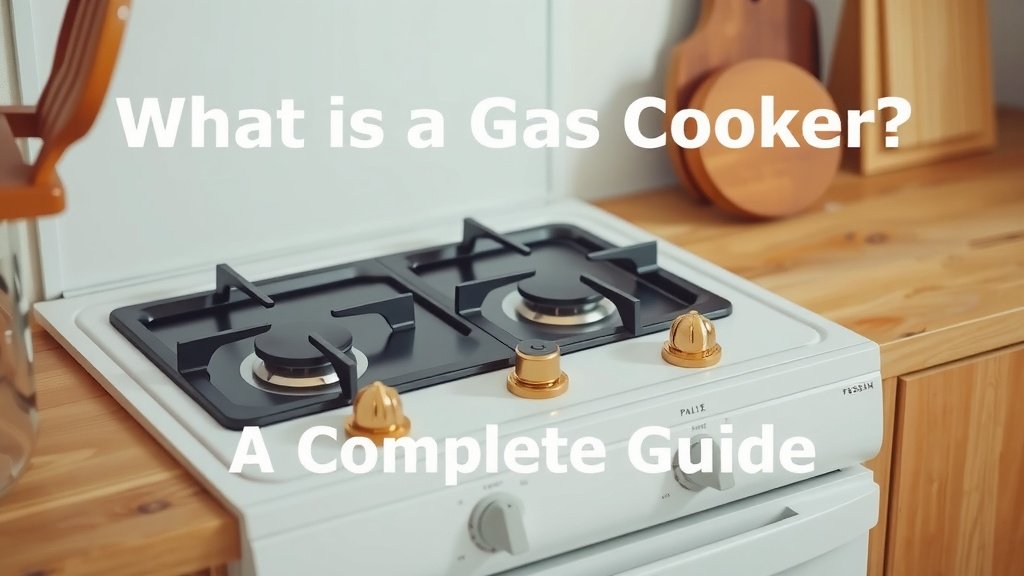
What is a Gas Cooker? A Complete Guide
A gas cooker is a kitchen appliance that uses natural gas or propane to cook food. It typically features a stovetop with burners and an oven below. Gas cooking offers quick temperature changes, making it a favorite for many home chefs.
Many home cooks prefer gas because of the immediate heat control it provides. You can instantly adjust the flame, unlike electric stoves that need time to heat up or cool down. This precision helps in achieving perfect searing and simmering. We found that the responsiveness is a key reason people choose gas.
- Uses gas (natural or propane) for heat.
- Has a stovetop with burners and an oven.
- Offers quick temperature adjustments for better cooking control.
- Popular for its responsiveness and ease of use.
Ready to understand more about these handy kitchen workhorses? Below, we’ll walk you through the essential details of what makes a gas cooker tick.
Understanding Your Gas Cooker: The Basics
A gas cooker is a kitchen appliance that uses natural gas or propane to cook your food. It’s a common sight in kitchens for good reason. Most feature a stovetop with burners for direct flame cooking. Below the stovetop, you’ll typically find a spacious oven for baking, roasting, and broiling.
Why do so many people swear by them? The instant heat control is a big draw. You can turn the flame up or down on a dime. This quick response means you can easily sear a steak just right or gently simmer a delicate sauce. We found that this responsiveness is often the deciding factor for many home cooks.
How Does a Gas Cooker Work?
At its heart, a gas cooker is about controlled combustion. It takes fuel, mixes it with air, and ignites it. This creates a flame that heats your cookware or the oven cavity.
The Fuel Source: Gas
Most gas cookers run on either natural gas or propane. Natural gas is delivered to your home through underground pipes. Propane, on the other hand, comes in a tank. You’ll need to arrange for tank refills when it gets low. The choice often depends on what’s available in your area. We found that most homes are set up for natural gas.
Ignition Systems
How does that flame start? Modern gas cookers usually have an electronic ignition system. When you turn a burner knob, a small spark ignites the gas. Older models might use a manual ignition, meaning you’d need a match or lighter. The electronic ignition is certainly more convenient and safer. We found that the auto-ignition feature is highly desired.
Burners: The Stovetop Stars
The stovetop is where the magic happens quickly. Burners come in various sizes. You’ll often find:
- Standard burners: Good for everyday cooking like boiling water or sautéing.
- Simmer burners: These offer a very low flame, perfect for sauces or keeping food warm.
- Power burners: These deliver high heat, ideal for quickly boiling water or searing.
The size and power of the burners allow for great cooking flexibility. You can choose the right burner for the task. We found that having a range of burner sizes makes meal prep much easier.
The Oven Component
Below the stovetop is the oven. Gas ovens heat up using a burner located at the bottom. A thermostat controls the temperature. A convection fan may also be present in some models. This fan circulates hot air for more even cooking and browning. We found that convection can significantly improve baking results.
Broiling with Gas
Most gas ovens have a broiling element. This is usually at the very top of the oven. It provides intense, direct heat from above. This is great for browning casseroles or cooking thin cuts of meat quickly. You have to watch food carefully when broiling. It can go from perfect to burnt in moments!
Gas vs. Electric Cookers: A Quick Look
Many people wonder how gas stacks up against electric. Each has its fans for different reasons. Let’s break down some key differences.
Heat Control and Responsiveness
This is where gas really shines. You see the flame, and you can adjust it instantly. Electric stoves, especially older coil types, take time to heat up and cool down. Ceramic or induction electric tops are faster but still don’t offer the same immediate visual feedback as a gas flame. We found that many chefs prefer gas for its precise temperature management.
Cooking Performance
Gas burners provide open flames. This direct heat can be excellent for stir-frying or achieving a good sear on meats. The oven heat from a gas oven tends to be moister than an electric oven. Some people find this beneficial for roasting. Electric ovens often provide more consistent, even heat for baking. Research suggests electric ovens can offer a slight edge in baking consistency (U.S. Department of Energy).
Installation and Fuel
If you have a gas line, installing a gas cooker is usually straightforward. If not, you’ll need a gas line run to your kitchen. Electric cookers only require a standard electrical outlet. This can make them easier to install in homes without existing gas lines. We found that the presence of a gas line is the primary driver for choosing a gas cooker.
Common Gas Cooker Features to Consider
When looking at gas cookers, a few features stand out. Thinking about these can help you find the right fit for your kitchen.
Burner Configuration
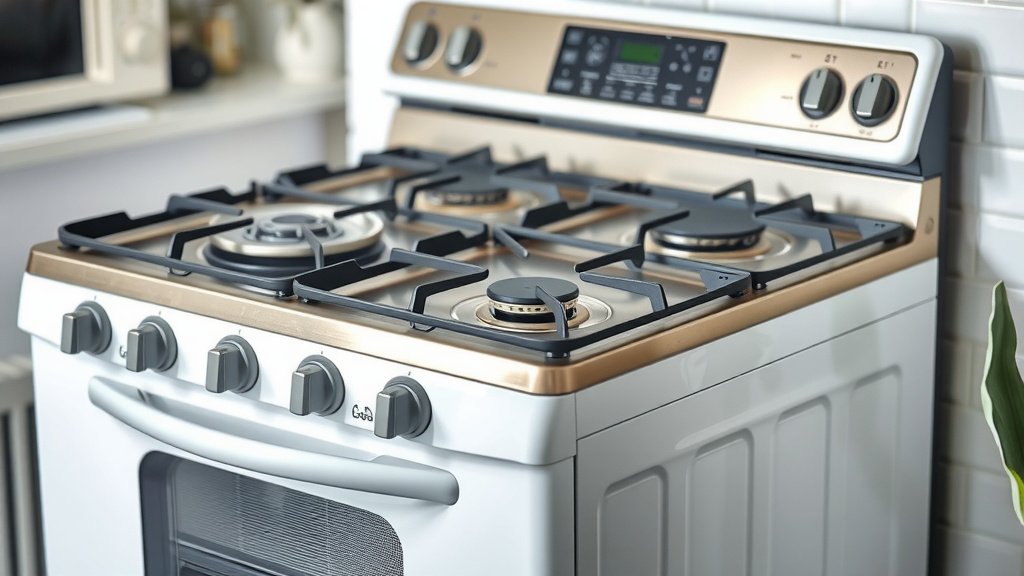
Check the number and types of burners. Do you need a high-output burner for fast boiling? Is a low simmer burner essential for your cooking style? A good mix of burner sizes is key. We found that a 5-burner setup is quite popular, offering more flexibility.
Oven Capacity and Features
How large is the oven? Does it have self-cleaning? What about convection cooking? Consider how much you typically bake or roast. A larger oven is great for holidays or big families. Self-cleaning features can be a real time-saver. Research indicates that self-cleaning ovens use high temperatures to burn off food residue (Consumer Reports).
Ignition Type
As mentioned, electronic ignition is standard now. Make sure it ignites quickly and reliably. A manual ignition system can be a fire hazard if not used carefully. We found that most consumers expect and prefer electronic ignition.
Safety Features
Look for features like flame failure safety devices. These automatically shut off the gas supply if the flame goes out. This is a vital safety measure. Many modern cookers include this as standard. We found this to be a critical safety consideration for families.
Key Takeaways for Your Gas Cooker
Here’s a quick checklist to remember about gas cookers:
- They use natural gas or propane for heat.
- They offer instant and precise temperature control.
- Cooktops have various burner sizes for different tasks.
- Ovens provide moist heat, great for roasting.
- Electronic ignition is the modern standard.
- Safety features like flame failure devices are important.
Conclusion
You now have a solid understanding of what a gas cooker is and how it works. You know how its instant heat control helps you master your cooking. You’ve also seen how its different burner sizes and oven functions offer great flexibility. Gas cookers are a popular choice for good reason, offering a responsive and engaging way to prepare meals. If precise temperature control and quick adjustments sound like your cooking style, exploring gas cooker models might be your next delicious step.
Frequently Asked Questions
Are gas cookers safe to use in my home?
Yes, modern gas cookers are very safe. They come with electronic ignition, which is safer than manual lighting. Many also feature flame failure safety devices that automatically shut off the gas if the flame goes out. Always ensure your cooker is properly installed and maintained for optimal safety.
What’s the difference between natural gas and propane for a cooker?
Natural gas is piped directly to your home, offering a constant supply. Propane comes in tanks that need to be refilled. The type of gas your cooker uses often depends on what’s available in your area. Both provide the same cooking benefits when used in the right appliance.
Is a gas oven better for baking than an electric one?
Gas ovens tend to produce a moister heat, which can be great for roasting. Electric ovens often provide more consistent, even heat, which some bakers prefer for delicate cakes and pastries. Many modern gas ovens also offer convection fans to help circulate air for more even baking results.
How do I clean the burners on my gas cooker?
For routine cleaning, ensure the burners are cool. You can usually wipe them down with a damp cloth and mild soap. For tougher grime, many burner grates and caps can be removed and washed more thoroughly. Always check your cooker’s manual for specific cleaning instructions.
What does “flame failure safety device” mean on a gas cooker?
This is an important safety feature. If the flame on a burner accidentally goes out, the device detects this and automatically cuts off the gas supply. This prevents gas from leaking into your kitchen and creating a potential hazard.