Range Cooker Explained: Your Ultimate Kitchen Guide
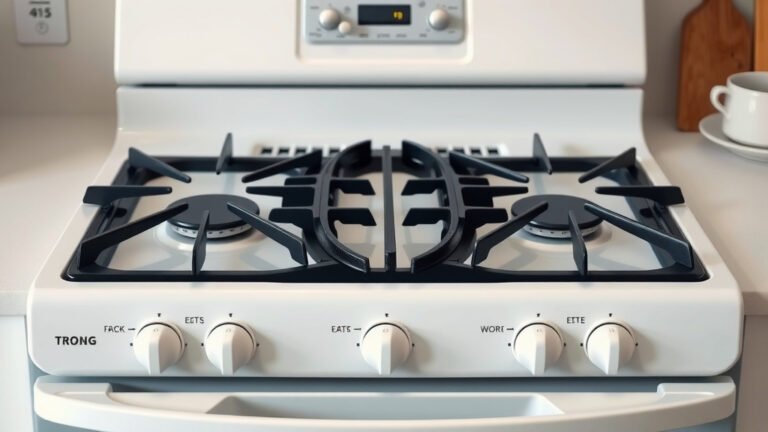
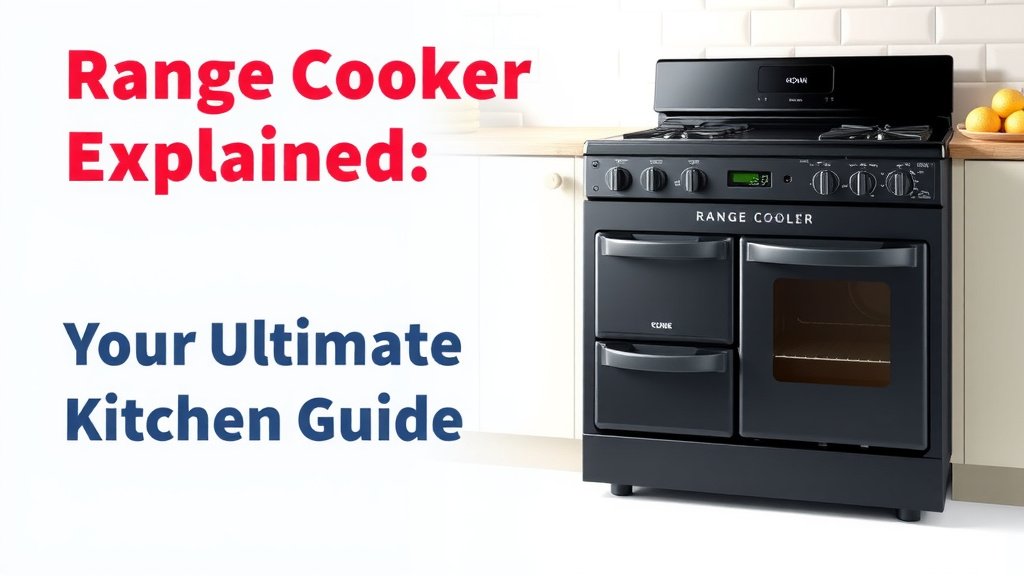
A range cooker is essentially a large, freestanding cooker that combines a hob and one or more ovens into a single unit. Think of it as a professional chef’s dream appliance, offering ample cooking space and versatile heating options. They come in various widths, styles, and fuel types to suit different kitchen needs and aesthetics.
Unlike standard cookers, range cookers often feature multiple oven cavities, allowing you to bake, roast, and warm simultaneously. Many also boast powerful gas or induction hobs with numerous burners, perfect for busy households or those who love to entertain. They are designed to be a showpiece in your kitchen, blending functionality with striking visual appeal.
- A range cooker is one appliance with multiple ovens and a hob.
- They offer large cooking capacity and great versatility.
- Range cookers come in various sizes and fuel types.
- They can be a central, stylish feature in your kitchen.
Ready to understand if a range cooker is the right fit for your culinary adventures? Below, we’ll break down exactly what makes these appliances so special.
Understanding the Anatomy of a Range Cooker
So, what exactly sets a range cooker apart from the everyday oven and hob combination you might be used to? At its heart, a range cooker is a standalone appliance that houses both your cooking surfaces (the hob) and your ovens within a single, often generously sized, unit. Think of it as the heart of a busy kitchen, designed for those who love to cook and entertain. They are built to be robust and offer superior functionality over standard appliances.
The Hob: Your Primary Cooking Surface
The hob is where the magic of stovetop cooking happens. Range cookers typically offer a wider cooking area than standard models. You’ll find a variety of burners or cooking zones. This generous space means you can easily manage multiple pots and pans at once. You can simmer sauces, boil pasta, and sauté vegetables all at the same time without feeling cramped.
Fuel Types for Your Hob
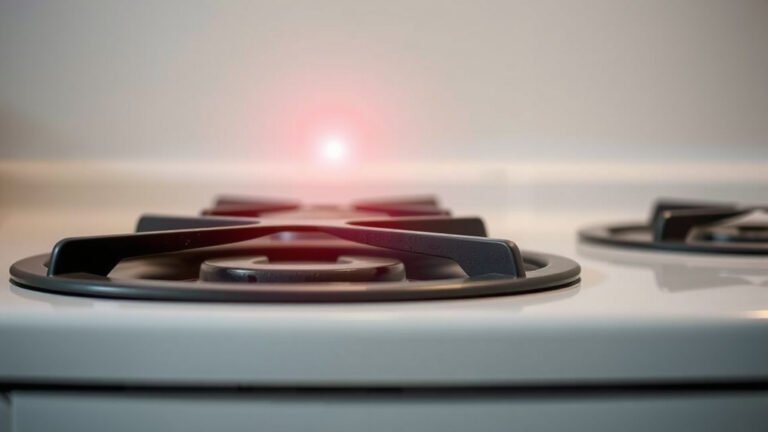
When choosing a range cooker, the hob’s fuel type is a key consideration. The most common options are gas and electric. Many people prefer gas hobs because they offer instant heat and precise temperature control. You can see the flame adjust immediately when you turn the knob. This responsiveness is a big plus for many home chefs.
Electric hobs come in a few varieties. Ceramic hobs have smooth glass surfaces with heating elements underneath. They offer a sleek look and are easy to clean. Induction hobs are a more modern option. They use electromagnetic fields to heat your cookware directly. This makes them very energy-efficient and fast. They also offer excellent temperature control, similar to gas. Induction is often recommended for its safety features, as the surface itself doesn’t get as hot.
Oven Cavities: More Than Just One Box
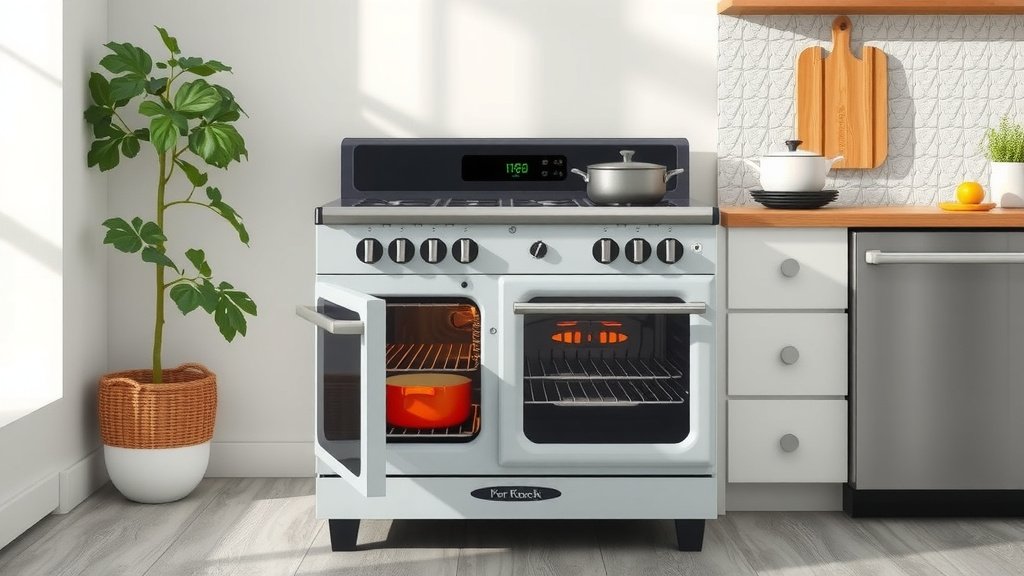
This is where range cookers truly shine for many users. Unlike standard ovens that usually offer just one main cavity, range cookers often come with two or even three oven cavities. This provides incredible flexibility. You can bake a cake in one oven while roasting a chicken in another. A third, smaller oven might be perfect for warming plates or keeping dishes hot.
Different Oven Configurations
The arrangement of these ovens can vary. Some range cookers have two main ovens that are the same size. Others feature a larger main oven and a smaller secondary oven. You might also find a separate grill compartment. This variety means you can tailor the cooker to your specific cooking habits. For instance, if you frequently bake multiple items, a cooker with two equally sized ovens would be ideal.
Key Features That Define a Range Cooker
Beyond the basic setup of hob and oven, range cookers boast a range of features that enhance their usability and appeal. They are designed to be a central hub for your kitchen, offering both performance and style.
Size and Width Options
Range cookers are generally larger than standard cookers. They come in various widths to fit different kitchen spaces. Common widths include 90cm, 100cm, and 110cm. Some even go up to 150cm or more for professional-style kitchens. Before you fall in love with a particular model, make sure you measure your kitchen space carefully. You’ll need to account for the cooker’s width, depth, and the necessary clearance for ventilation and door opening.
Aesthetic Styles to Match Your Kitchen
Range cookers are often considered a statement piece. They come in a wide array of styles to complement any kitchen decor. You can find them in classic, traditional designs with chunky handles and distinctive colours. Many also offer sleek, modern aesthetics with minimalist lines and contemporary finishes. From vibrant colours like red or blue to timeless stainless steel or cream, there’s a range cooker to match your personal taste and your kitchen’s theme.
Dual Fuel vs. All Electric vs. All Gas
We touched on fuel types for the hob, but the overall fuel configuration of the range cooker is also important. A dual fuel range cooker is a popular choice. It typically features a gas hob combined with electric ovens. This gives you the best of both worlds: the precise control of gas for stovetop cooking and the even, consistent heat of electric ovens for baking and roasting. Many experts suggest this combination offers the most versatile cooking experience.
On the other hand, an all-gas range cooker has both a gas hob and a gas oven. These can be excellent for those who love the specific cooking characteristics of gas. Similarly, an all-electric range cooker will have an electric hob (ceramic or induction) and electric ovens. The choice often comes down to personal preference, existing kitchen connections, and the type of cooking you do most often.
Capacity and Versatility for Every Cook
One of the biggest draws of a range cooker is its sheer cooking capacity. If you often cook large meals, host dinner parties, or have a big family, the ample oven space and multiple burners are a lifesaver. You can easily roast a turkey, bake a batch of cookies, and prepare side dishes simultaneously. This is a far cry from the juggling act required with a standard oven.
The versatility extends to the types of cooking you can do. With multiple ovens, you can experiment with different temperatures and cooking methods. One oven might be ideal for delicate baking, while another excels at high-heat roasting. This allows for greater precision and better results across a wider range of recipes.
What You Can Expect to Cook:
- Large roasts (e.g., whole chickens, turkeys, prime rib)
- Multiple baking dishes (e.g., casseroles, pies, cakes)
- Several pots and pans on the hob simultaneously
- Warming plates or keeping dishes at serving temperature
- Specialized cooking like slow roasting or braising in separate ovens
Is a Range Cooker Right for Your Kitchen?
Considering a range cooker can feel like a big decision, but it often comes down to a few key questions about your cooking habits and kitchen setup. Think about how much you use your oven and hob. Do you find yourself wishing for more space? Are you regularly cooking for more than four people?
Many users find that once they experience the freedom and flexibility of a range cooker, they wouldn’t go back. It’s an investment in your kitchen and your culinary passion. It transforms the way you cook and entertain.
Here’s a quick checklist to help you decide:
- Do you enjoy cooking and baking frequently?
- Do you often host gatherings or cook for a large family?
- Do you wish you had more stovetop cooking space?
- Are you looking for an appliance that offers multiple oven functions?
- Do you have adequate space in your kitchen for a larger appliance?
- Are you ready to invest in a stylish, central kitchen feature?
Conclusion
You’ve now seen what makes a range cooker a fantastic addition to many kitchens. It’s more than just an appliance; it’s a versatile hub designed for serious cooks. With ample hob space, multiple ovens, and stunning designs, it truly offers unparalleled functionality. If you love to cook, entertain, or simply want more space and control, a range cooker might be your perfect fit. Your next step? Measure your kitchen and start browsing models that fit your style and cooking needs!
Frequently Asked Questions
Are range cookers difficult to clean?
Cleaning can depend on the hob type. Gas hobs may require individual burner cleaning, while ceramic and induction tops are generally easier to wipe down. Oven interiors often come with self-cleaning functions or catalytic liners to reduce manual scrubbing. Regular maintenance will keep your range cooker looking its best.
Do range cookers use a lot of energy?
Energy consumption varies by model, size, and fuel type. Induction hobs are highly energy-efficient, using less power than other electric options. Dual fuel models can balance efficiency, with electric ovens often being more precise than gas ovens for baking. Choosing the right size and features for your needs helps manage energy use.
Can I install a range cooker myself?
Due to their size and the need for gas or high-voltage electrical connections, professional installation is highly recommended for safety and proper function. A qualified technician will ensure your range cooker is safely connected to your home’s utilities and meets all safety regulations.
What is the difference between a range cooker and a standard cooker?
The primary difference is size and capacity. Range cookers are larger freestanding units that typically feature wider hobs with more burners and multiple oven cavities, offering significantly more cooking flexibility than standard, narrower cookers.
Are range cookers only for professional chefs?
Absolutely not! While they offer professional-level features, range cookers are designed for home cooks of all skill levels. If you enjoy cooking, entertain often, or simply want more space and versatility, a range cooker can be a great asset in your home kitchen.