Choosing a Pressure Cooker: A Buyer’s Guide
Choosing the right pressure cooker means finding one that fits your cooking style and kitchen needs. You’ll want to consider size, material, and the type – stovetop or electric. Electric models offer more convenience with preset buttons, while stovetop cookers give you more manual control. Think about what you plan to cook most often; this will help you pick the perfect capacity.
Pressure cookers are fantastic kitchen tools. They can drastically cut down cooking times for things like beans, tough meats, and grains. We found that electric models are often simpler for beginners because they handle the pressure regulation automatically. Stovetop versions, on the other hand, require a bit more attention but offer a satisfying level of control for experienced cooks.
- Consider size based on your household.
- Decide between stovetop or electric.
- Think about material like stainless steel or aluminum.
- Look for safety features like multiple valves.
- Check for easy-to-use pressure settings.
Let’s dive into the details that will help you select the pressure cooker that’s just right for you.
Picking the Right Pressure Cooker for Your Kitchen
So, you’re ready to join the pressure cooker revolution! Fantastic choice. These kitchen wizards can transform weeknight meals. They cook food much faster. This is because they trap steam to build pressure. That trapped steam cooks your food more efficiently. We’re here to help you navigate the options. Let’s find the cooker that perfectly suits your needs.
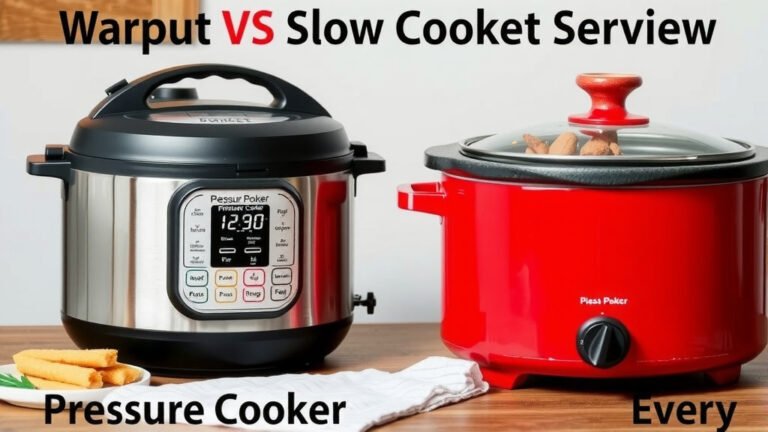
Understanding Your Pressure Cooker Options: Stovetop vs. Electric
The first big decision you’ll make is whether to go stovetop or electric. Both have their charm and their quirks. Think of it like choosing between a classic manual car and a modern automatic. One gives you more direct control, while the other offers more ease of use.
Stovetop Pressure Cookers: The Traditional Choice
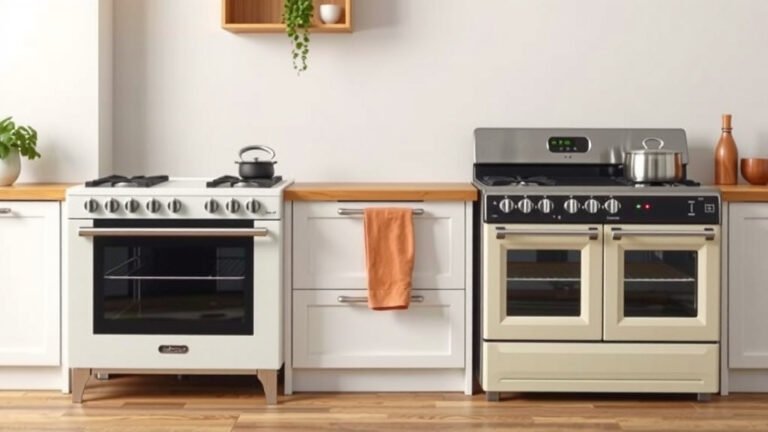
Stovetop models have been around for ages. They sit directly on your stove burner. You have complete control over the heat. This means you can adjust the pressure as needed. Many cooks love this hands-on approach. They say it allows for more precise cooking. If you enjoy tinkering and have a gas or electric coil stove, this might be your jam.
Pros of Stovetop
- More Control: You manage the heat and pressure directly.
- Faster Cooking: Often reach pressure and cook slightly quicker.
- Versatile: Can use them on induction, gas, or electric stoves.
- Often More Affordable: Generally less expensive than electric models.
Cons of Stovetop
- Requires Attention: You can’t walk away. You need to monitor the heat.
- Learning Curve: Takes a bit of practice to master the pressure adjustments.
- Not for All Stoves: Smooth-top electric stoves might require specific models.
Electric Pressure Cookers: The Modern Convenience
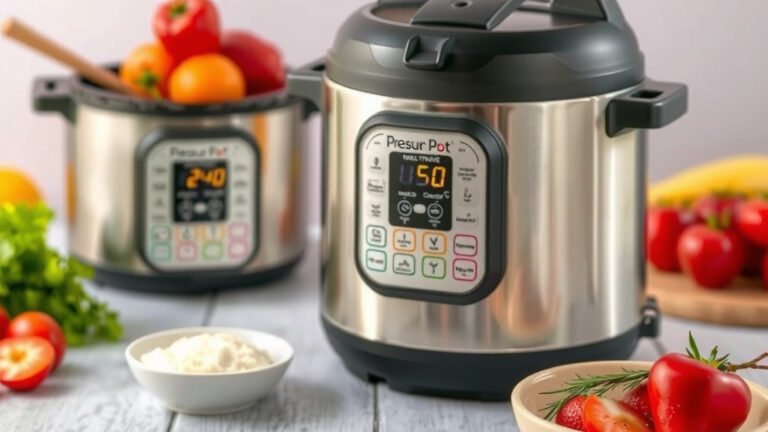
Electric pressure cookers are like a countertop appliance. They have their own heating element. You plug them in, add your ingredients, and press a button. Many come with pre-programmed settings for things like rice, beans, or poultry. They’re incredibly user-friendly. If you’re new to pressure cooking or want a set-it-and-forget-it experience, electric is a winner.
Pros of Electric
- Easy to Use: Simple controls and often automated pressure release.
- Programmable: Many have timed cooking and delayed start functions.
- Safe: Designed with multiple safety mechanisms built-in.
- Multifunctional: Some models can also slow cook, sauté, or make yogurt.
Cons of Electric
- Slower to Reach Pressure: Takes a bit longer to heat up than stovetop models.
- Less Manual Control: You can’t adjust heat on the fly.
- Takes Up Counter Space: They are a dedicated appliance.
- Generally More Expensive: You pay for the added technology and features.
Size Matters: How Much Can Your Pressure Cooker Hold?
Think about how many people you typically cook for. This will guide your size choice. A small 3-quart cooker is great for singles or couples. A 6-quart is the most common size. It’s perfect for families of 3-5. Larger families or those who entertain often might need an 8-quart or even a 10-quart model.
We found that buying a size slightly larger than you think you need is often a good bet. This gives you flexibility for batch cooking or larger recipes. Just remember, you can’t fill a pressure cooker more than two-thirds full. This is for safety reasons.
Material Breakdown: What Your Cooker is Made Of
The material of your pressure cooker affects its durability, how it heats, and how easy it is to clean. Most are made from either aluminum or stainless steel.
Aluminum Pressure Cookers
Aluminum heats up quickly and evenly. It’s also lightweight and generally more affordable. However, aluminum can sometimes react with acidic foods. This can lead to discoloration or a metallic taste. It’s also more prone to scratching. For budget-conscious buyers or those who don’t cook a lot of acidic dishes, aluminum is a solid choice.
Stainless Steel Pressure Cookers
Stainless steel is a very popular choice. It’s durable, non-reactive, and easy to clean. It doesn’t leach flavors into your food. Stainless steel does tend to heat up a bit slower than aluminum. Many high-quality stainless steel models have an aluminum or copper core. This helps distribute heat more evenly. If you want a long-lasting, food-safe option, stainless steel is often recommended (Cleveland Clinic).

Safety First: Essential Features to Look For
Pressure cookers operate under high pressure, so safety is paramount. Modern cookers have several built-in safety features. It’s wise to look for models that offer more than one safety mechanism.
- Locking Lid: Ensures the lid cannot be opened while the cooker is pressurized.
- Pressure Regulating Valve: Maintains the correct internal pressure. It will release excess steam if needed.
- Safety Vent Plug: This is a backup. It pops out if pressure gets too high.
- Over-Pressure Plug: A rubber or silicone piece designed to melt or blow out if all other systems fail.
Many experts agree that a cooker with at least two or three safety features is ideal (National Fire Protection Association). You want peace of mind while you cook.
Ease of Use: Controls and Features
Consider how you want to interact with your pressure cooker. Stovetop models rely on you to manage the heat source. Electric models offer digital displays and buttons.
Pressure Settings
Some pressure cookers offer just one high-pressure setting. Others have a high and a low-pressure option. A low-pressure setting is useful for delicate foods like fish or certain vegetables. Many electric models come with specific buttons for common foods. These are great for beginners.
Pressure Release Methods
There are three main ways pressure is released:
- Natural Release: You turn off the heat and let the pressure drop on its own. This takes time, from 10 to 30 minutes. It’s best for meats and beans, as it keeps them tender.
- Quick Release: You manually open the steam release valve. This vents steam rapidly. It’s good for vegetables or anything you don’t want to overcook. Be careful of the hot steam!
- Automatic Release: Some electric models have a setting that automatically releases pressure after cooking.
Having options for pressure release can make a big difference in your cooking. It allows you to adapt to different recipes.
Your Pressure Cooker Checklist
Before you buy, run through this quick checklist:
- Household Size: Does the capacity fit your family?
- Stovetop or Electric: Which cooking style do you prefer?
- Material: Is it aluminum, stainless steel, or a combo?
- Safety Features: Does it have multiple safety valves?
- Ease of Use: Are the controls clear and simple for you?
- Budget: Does it fit within your spending plan?
Conclusion
You’ve learned a lot about choosing the perfect pressure cooker for your kitchen! We’ve covered the essential differences between stovetop and electric models. You now know how size, material, and safety features play a role. By considering your cooking habits and household needs, you can confidently select a cooker. Your next step is to review your kitchen space and budget. Then, make that informed purchase and start enjoying faster, more flavorful meals!
Frequently Asked Questions
What’s the best size pressure cooker for a couple?
For a couple, a 3-quart or 4-quart pressure cooker is usually ideal. This size is efficient for smaller meals and leftovers. You won’t be wasting energy or counter space on a larger unit.
Can I use any pressure cooker on an induction stovetop?
Generally, yes, but you need to check the material. Induction cooktops require magnetic materials. Stainless steel and some aluminum models work well. Always confirm compatibility with the manufacturer’s specifications.
Are electric pressure cookers safe for beginners?
Yes, electric pressure cookers are highly recommended for beginners. They feature automated safety mechanisms. Preset buttons and simple controls make them very user-friendly. You get convenience without sacrificing safety.
How important is the pressure release method when choosing?
The pressure release method is quite important for your cooking results. Natural release is best for tenderizing meats and beans. Quick release is better for vegetables. Understanding these methods helps you choose a cooker that suits your recipes.
Is stainless steel or aluminum a better material for a pressure cooker?
Stainless steel is generally preferred for its durability and non-reactive nature. It doesn’t impart flavors to your food and is easy to clean. Aluminum heats faster and is often more affordable, but can react with acidic foods.