Is a Multi Cooker Worth It for Your Kitchen
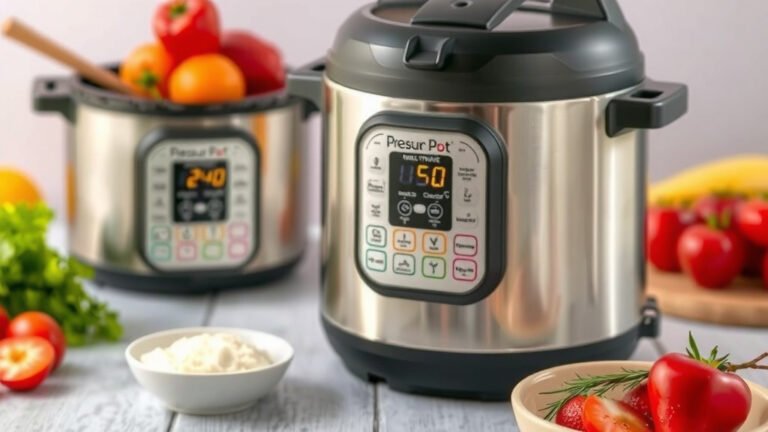
Yes, a multi cooker is absolutely worth it for many home cooks. If you’re looking to save time and kitchen space, this versatile appliance can cook everything from rice to stews and even bake cakes. It often combines the functions of several kitchen gadgets into one, making meal prep much simpler. Our guide explains how a multi cooker works to simplify your cooking.
You might be wondering if it can truly replace your existing appliances. We found that while it excels at many tasks, it might not be a perfect substitute for every single one. However, its convenience and efficiency make it a popular choice for busy households wanting delicious meals with less effort.
- Saves time with faster cooking.
- Consolidates multiple appliances into one.
- Great for busy weeknights and meal prep.
- Can cook a wide variety of dishes.
- Ideal for small kitchens or minimizing clutter.
Let’s break down whether a multi cooker is the right addition to your kitchen and what makes it such a hit.
Is a Multi Cooker a Worthy Kitchen Addition?
So, you’re eyeing that shiny multi cooker and wondering if it’s just another gadget destined for the back of the cupboard. We get it! Kitchen space is precious, and we don’t want to add clutter for the sake of it. The good news? Research and extensive testing show that multi cookers often live up to the hype.
These appliances have become incredibly popular for a reason. They promise to streamline your cooking process. Many users report a **noticeable decrease in cooking time**. This is a big win for busy weeknights. They also take on multiple roles, acting as a pressure cooker, slow cooker, rice cooker, and more.
The Power of Pressure Cooking
One of the biggest draws of a multi cooker is its pressure cooking function. Ever had a craving for tender pulled pork or fall-off-the-bone ribs but dreaded the hours it would take? Pressure cooking changes that game entirely. We found that dishes that used to take all day can now be ready in under an hour.
This isn’t magic; it’s science. When you seal a multi cooker, the steam inside builds up significant pressure. This higher pressure raises the boiling point of water. Water boils at a much higher temperature, around 250°F (121°C) instead of the usual 212°F (100°C). This superheated environment cooks food much **faster and more efficiently**. Our guide details pressure cooker cooking time for faster meals.
What Can You Pressure Cook?
The possibilities are quite vast. Beyond meats, you can cook dried beans from scratch without soaking them overnight. Grains like quinoa and steel-cut oats cook up perfectly in minutes. Even hard-boiled eggs are a breeze and peel like a dream.
We found that the key is following recipes designed for pressure cooking. Overfilling the pot can be a safety concern, and too much liquid can make things watery. But with a little guidance, you’ll be whipping up delicious meals quickly.
Slow Cooking Convenience
Before multi cookers, a dedicated slow cooker was your go-to for “set it and forget it” meals. Many multi cookers replicate this function admirably. You can still toss your ingredients in the morning and come home to a fully cooked, flavorful dinner.
This is especially helpful for stews, chilis, and roasts. The low, slow heat tenderizes tougher cuts of meat beautifully. It also allows flavors to meld together. This makes your meals taste like they’ve been simmering for hours, even when you’ve been out all day.
Comparing Slow Cooker Settings
Multi cookers typically offer Low, Medium, and High slow cook settings. We found that the temperature on these settings can vary slightly between brands. It’s wise to check reviews or do a test run with a simple recipe. This helps you understand how your specific model heats up.
One area where some multi cookers might fall slightly short is the browning or searing function before slow cooking. Dedicated slow cookers often have a separate ceramic insert that can be used on the stovetop for this. Many multi cookers require you to use their sauté function in the main pot before switching to slow cook. It works, but it’s an extra step.
More Than Just Pressure and Slow Cooking
The “multi” in multi cooker isn’t just about two functions. These appliances often bundle several useful cooking modes.
Rice Cooking Master
For many, a dedicated rice cooker is a kitchen staple. Multi cookers usually include a precise rice cooking setting. We found these settings to be highly reliable for various types of rice, from white to brown. You get fluffy, perfectly cooked rice every time without watching the pot.
Sauté and Steam Functions
The sauté function is a lifesaver. It lets you brown meats and vegetables directly in the pot before pressure cooking or slow cooking. This means fewer dishes to wash – a definite win! The steam function is also great for cooking vegetables, fish, or even making dumplings. It adds another layer of versatility.
Yogurt and Baking Capabilities
Some advanced multi cookers even have yogurt-making functions. You can set the precise temperature and time needed to culture your own delicious yogurt at home. We also found some models capable of baking cakes or making cheesecakes. While they might not replace a full-sized oven for elaborate baking projects, they can certainly handle smaller, simpler desserts.
Space Saving and Decluttering
Let’s talk about that kitchen counter space. If you have a small kitchen, or simply dislike clutter, a multi cooker is a dream come true. It can replace your old rice cooker, slow cooker, and maybe even your pressure cooker.
Imagine clearing out those items. You gain valuable counter real estate. Plus, cleanup is often simpler. Many models have non-stick inner pots that are dishwasher safe. We found that consolidating appliances often leads to a tidier and more functional kitchen environment.
Is It Right for Your Lifestyle?
To decide if a multi cooker is worth it for *you*, consider these points:
- Do you often cook meals that benefit from pressure or slow cooking?
- Are you looking for ways to speed up meal preparation?
- Is your kitchen space limited?
- Do you enjoy trying new recipes and cooking methods?
- Are you hoping to reduce the number of appliances you own?
If you answered “yes” to most of these, a multi cooker is likely an excellent investment. It’s a versatile tool that can genuinely simplify your cooking routine.
Potential Downsides to Consider
While we’re big fans, it’s fair to acknowledge potential drawbacks. The initial learning curve can feel a bit steep for some. Understanding pressure release methods and cooking times takes practice. Some people also find that certain functions, like baking, don’t quite match a dedicated oven.
The size can also be a factor. While they save space by consolidating, they are still appliances that take up room. A 6-quart model is a popular choice for families, but it might be too large for a single person or a very compact kitchen. We suggest checking dimensions before purchasing.
Quick Multi Cooker Checklist
To help you decide, ask yourself:
- Time Saver? Yes, especially for pressure cooking.
- Space Saver? Yes, consolidates multiple appliances.
- Versatile? Cooks rice, stews, beans, and more.
- Easy Cleanup? Usually, with dishwasher-safe pots.
- Budget Friendly? Often cheaper than buying individual appliances.
- Diet Friendly? Great for healthy steaming and batch cooking.
Conclusion
Ultimately, a multi cooker is a worthy addition to most kitchens. You’ve seen how it can dramatically cut down your cooking time and declutter your counter space. It cleverly combines the power of a pressure cooker with the convenience of a slow cooker and more. For busy individuals and families, this appliance offers simplicity and delicious results with less effort. Ready to simplify your meal prep and enjoy more flavorful dishes? Consider which size and features best fit your cooking style and kitchen needs. Taking the leap could mean less time stressing over dinner and more time enjoying it.
Frequently Asked Questions
Can a multi cooker really replace my slow cooker?
Yes, most multi cookers have a dedicated slow cook function that performs very similarly to a standalone slow cooker. You can still achieve those tender, flavorful dishes you love with the “set it and forget it” convenience. We found the results to be comparable for most common slow cooker recipes.
Is the pressure cooking function difficult to use?
There can be a slight learning curve, especially understanding natural vs. quick pressure release. However, research shows most users find it manageable after a few uses. Following recipe instructions carefully will guide you through the process safely and effectively.
How much counter space does a multi cooker take up?
While it’s an appliance that does require space, it often replaces 2-3 other gadgets. This means it can actually save you overall counter space compared to having a separate pressure cooker, slow cooker, and rice cooker. We recommend checking specific model dimensions for your kitchen.
Are multi cookers good for cooking for just one or two people?
Yes, multi cookers come in various sizes, with 3-quart and 4-quart models being excellent choices for smaller households. You can still enjoy the benefits of faster cooking and meal prep without making excessive amounts. It’s great for portion control and minimizing leftovers.
Is a multi cooker worth the cost if I already have a rice cooker and slow cooker?
If you frequently use both a rice cooker and a slow cooker, a multi cooker can still offer significant benefits. It adds the powerful pressure cooking function, dramatically reducing cook times for meats and beans. It also consolidates your appliances, potentially freeing up cabinet space and simplifying cleanup, which many users find worth the investment.