Your Rice Cooker Guide: What It Is and How It Works
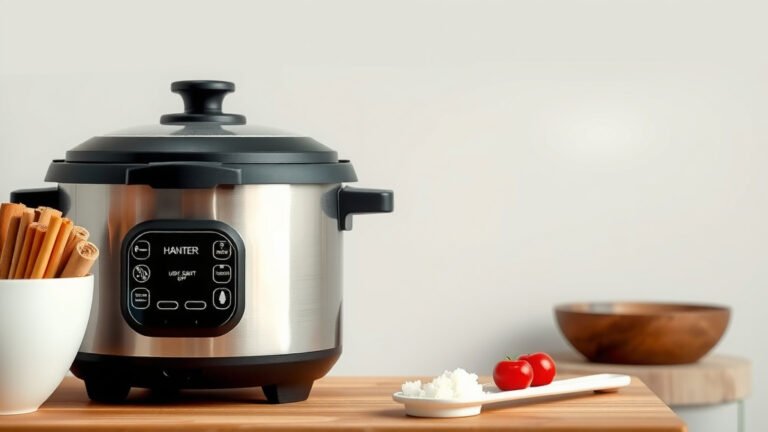
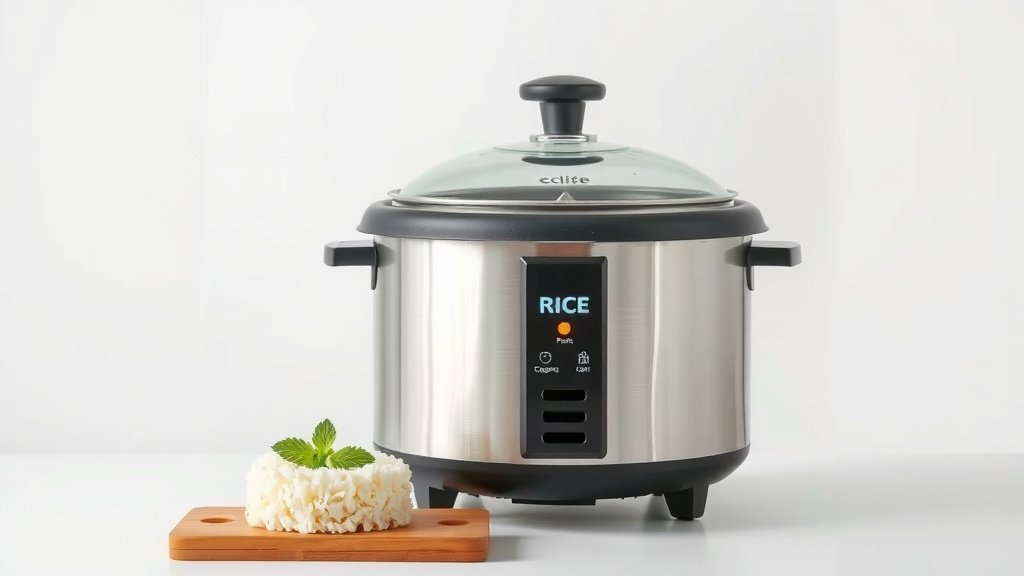
A rice cooker is a kitchen appliance designed to automatically cook rice. It simplifies the process, ensuring your rice is perfectly cooked every time. Many models also keep the rice warm after cooking. It’s a must-have for anyone who enjoys rice regularly.
These handy devices take the guesswork out of preparing rice. You simply add your rice and water, then press a button. The cooker handles the rest, preventing undercooked or mushy results. We found that using a rice cooker is far more consistent than stovetop methods.
- Rice cookers automate the cooking of rice.
- They ensure perfectly cooked rice with minimal effort.
- Many models include a warming function.
- They are simple to use, even for beginners.
Let’s dive into what makes a rice cooker so convenient and how to get the most out of yours.
“`htmlUnderstanding Your Automatic Rice Cooker
So, you’re wondering what exactly a rice cooker does, right? Simply put, it’s a kitchen appliance designed to cook rice perfectly, automatically. Think of it as your personal rice chef. You add the rice and water, set it, and forget it. The cooker takes over, handling the heat and timing so you don’t have to. Many modern rice cookers also have a ‘keep warm’ feature. This means your rice stays hot and fluffy until you’re ready to eat it. We found that using a rice cooker is a huge step up in convenience.
How Does This Magical Box Work?
The magic behind a rice cooker is surprisingly straightforward. Most basic models work using a simple heating element and a thermostat. You place the rice and water into the inner pot. When you turn it on, the heating element heats the water. As the water boils, it turns into steam. This steam cooks the rice. The thermostat is set to shut off when the water temperature reaches a certain point, typically the boiling point of water (212°F or 100°C). At this temperature, most of the water has been absorbed or steamed away.
The Thermostat’s Role
The key component is often a magnetic thermostat or a bimetallic strip. As the water boils and the rice cooks, the temperature inside the cooker rises. Once all the water is absorbed or evaporated, the temperature can climb above the boiling point of water. This rise in temperature triggers the thermostat. It then signals the cooker to switch off the main heating element. Some models then automatically switch to a lower-heat ‘keep warm’ setting.
Beyond Basic Boiling: Advanced Features
Not all rice cookers are created equal, though! While the basic principle remains the same, many models offer advanced features. These can include fuzzy logic technology, induction heating, and specialized cooking cycles. Fuzzy logic allows the cooker to adjust temperature and cooking time on the fly. This means it can compensate for variations in rice type or water quantity. We found that this leads to even more consistent results.
Why Should You Get One? The Convenience Factor
Let’s talk about why a rice cooker is such a popular kitchen gadget. The biggest reason is convenience. Gone are the days of watching the pot, stirring, and hoping for the best. You can literally set it and walk away. This frees you up to prepare other parts of your meal, catch up on emails, or just relax for a bit. We found that the ability to multitask is a major selling point.
Perfect Rice, Every Time
Are you tired of rice that’s either crunchy or a sticky mess? A rice cooker takes the guesswork out of it. The automated process ensures the correct water-to-rice ratio is maintained. It also controls the temperature precisely. This leads to beautifully cooked, fluffy rice. Whether you prefer white rice, brown rice, or even sushi rice, a good rice cooker can handle it. Many models even have settings for different types of grains. This is a great feature for variety.
The ‘Keep Warm’ Feature
This is a lifesaver for busy households. Once the rice is cooked, many rice cookers automatically switch to a low-heat setting. This keeps the rice at an ideal serving temperature without drying it out or continuing to cook it. Imagine getting home after work and finding perfectly warm rice ready for you. It’s a small thing, but it makes a big difference in your evening routine.
Types of Rice Cookers to Consider
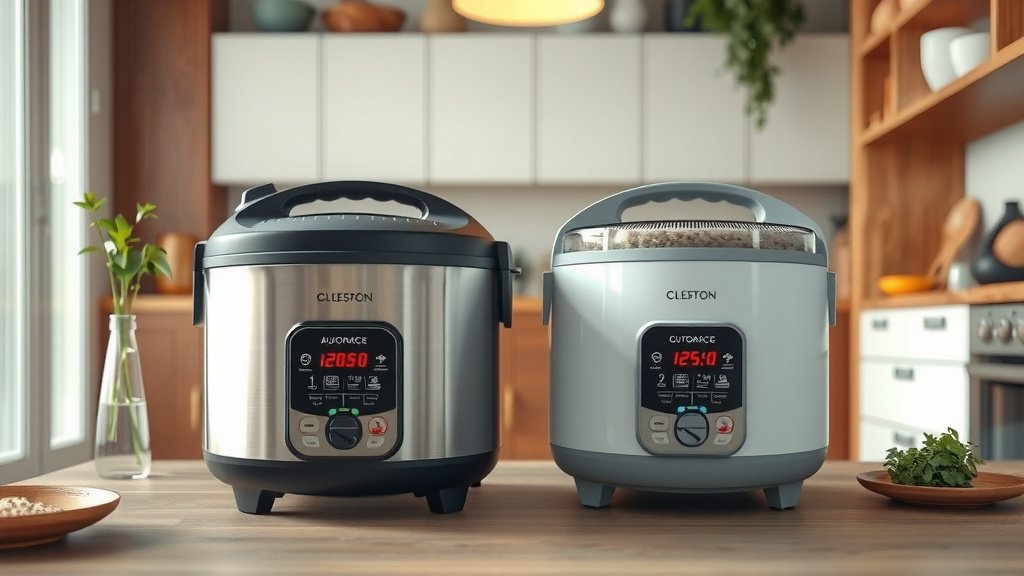
When you start looking, you’ll notice a few main types of rice cookers. Each has its own benefits and price points. Understanding these can help you choose the best one for your needs.
Basic Stovetop Equivalents
These are your entry-level models. They are typically the most affordable. They use a simple heating element and a thermostat, just as we discussed. They do a great job for basic white rice. If you only cook rice occasionally, one of these might be perfect for you. They are often smaller in size, too. This makes them easy to store.
Advanced Fuzzy Logic Models
Fuzzy logic rice cookers are a step up. They use microcomputers to manage the cooking process. The cooker can sense the temperature and humidity inside. It then makes real-time adjustments to cooking time and temperature. This makes them very versatile. They can handle different rice types and even things like porridge or cake. Many experts say this technology offers the most consistent results (NCBI).
Induction Heating (IH) Cookers
These are often considered the crème de la crème. Instead of a heating element at the bottom, IH cookers use electromagnetic coils to heat the entire inner pot. This results in more even and precise heating. They cook rice very quickly and can achieve exceptional texture. However, they are usually the most expensive type of rice cooker. We found they do produce amazing results for connoisseurs.
Simple Steps to Using Your Rice Cooker
Using a rice cooker is remarkably simple. Most users find it much easier than stovetop methods. Let’s walk through the basic steps. It’s so easy, you’ll wonder how you lived without one.
Step 1: Measure Your Rice and Water
Use the measuring cup that comes with your rice cooker, or a standard measuring cup. For most white rice, a 1:1 ratio of rice to water is a good starting point. For example, one cup of rice to one cup of water. Brown rice often requires more water and a longer cooking time. Always check your cooker’s manual for specific recommendations. Many guidelines point to accurate measurements as key for good rice (USDA).
Step 2: Rinse Your Rice (Optional but Recommended)
Place the measured rice in a separate bowl or colander. Rinse it under cold running water. Swish it around with your hand. Drain the water and repeat a few times. You’ll see the water go from cloudy to clearer. This step removes excess starch. It can help prevent sticky or gummy rice. We found this makes a noticeable difference in texture.
Step 3: Add to the Rice Cooker and Select Settings
Transfer the rinsed rice to the inner pot of your rice cooker. Add the correct amount of water. Some cookers have measurement lines inside the pot. Make sure the water level corresponds to the amount of rice you’re cooking. Close the lid. Select the appropriate setting for your type of rice (e.g., white, brown, sushi). Then, press the start button.
Step 4: Let It Cook and Rest
The rice cooker will do all the work. It will beep or light up when the cooking cycle is complete. Resist the urge to open the lid immediately! Let the rice rest for about 10-15 minutes after cooking finishes. This allows the steam to distribute evenly. It helps create perfectly fluffy rice. Fluff the rice gently with the provided spatula or paddle before serving.
Quick Checklist for Rice Cooker Success
- Measure rice and water accurately.
- Rinse your rice for better texture.
- Use the correct setting for your rice type.
- Allow the rice to rest after cooking.
- Fluff gently before serving.
- Clean the inner pot and lid after use.
Beyond Rice: What Else Can It Do?
While designed for rice, many rice cookers are surprisingly versatile. You might be able to cook more than just your favorite grain. Some models can steam vegetables using a steam basket. You can also make oatmeal or porridge. Some recipes even suggest baking cakes or cooking stews in certain advanced models. It’s worth checking your cooker’s manual for other cooking functions. You might be surprised at its capabilities!
“`Conclusion
You’ve learned that a rice cooker is more than just a kitchen gadget; it’s your key to consistently perfect rice with minimal effort. We’ve seen how its simple yet effective technology automates cooking, freeing up your time. Whether you choose a basic model or an advanced fuzzy logic cooker, the convenience and reliable results are undeniable. Don’t let the fear of mushy or undercooked rice hold you back any longer. Take the leap and find the rice cooker that fits your needs. Your future self, enjoying perfectly fluffy rice, will thank you.
Frequently Asked Questions
Do I really need a rice cooker if I only eat rice occasionally?
If you eat rice just a few times a month, a basic, affordable rice cooker can still be a great investment. It ensures you get perfect results every time, without the stress of stovetop cooking. You’ll save time and avoid disappointing meals.
Can I cook brown rice or other grains in a standard rice cooker?
Most basic rice cookers are optimized for white rice. However, many modern models, especially fuzzy logic or IH types, have specific settings for brown rice, wild rice, or even quinoa. Always check your cooker’s manual for grain compatibility.
How do I clean my rice cooker after use?
Cleaning is simple! Most inner pots are non-stick and can be washed with warm, soapy water. Make sure to wipe down the lid and steam vent as well. Always unplug the cooker and let it cool completely before cleaning.
What’s the difference between fuzzy logic and induction heating (IH) rice cookers?
Fuzzy logic uses microcomputers to adjust cooking based on sensors, offering versatility. Induction heating uses electromagnetic coils to heat the entire pot evenly and precisely, often resulting in superior texture and faster cooking, but at a higher cost.
Is it okay to leave rice in the rice cooker on the “keep warm” setting overnight?
While the “keep warm” function is great for a few hours, leaving rice on this setting for extended periods, like overnight, can dry it out or affect its texture and flavor. It’s best to consume rice within a few hours of cooking for optimal quality.