What Is a Pressure Cooker? Your Guide to Fast Cooking
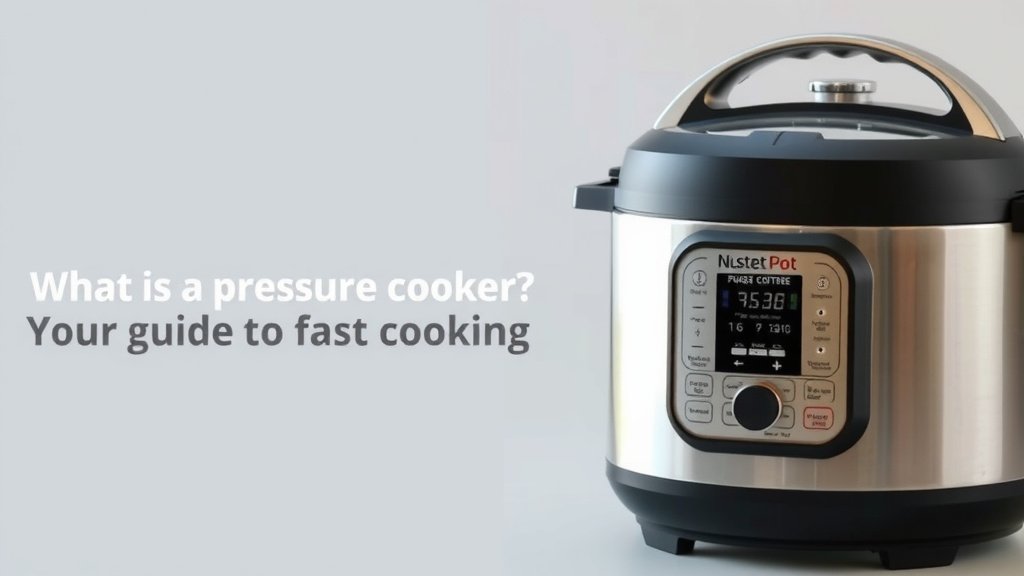
A pressure cooker is a pot with a locking lid that cooks food quickly using steam. It works by trapping steam inside, which raises the pressure. This higher pressure allows the food to cook much faster than in a regular pot. Think of it as a supercharged cooking vessel.
You might be wondering if it’s safe or how it really speeds things up. Many cooks find them incredibly useful for busy weeknights. They can make tough cuts of meat tender in a fraction of the time. You can even use them for beans, grains, and desserts.
- A pressure cooker uses steam and trapped pressure to cook food rapidly.
- The locking lid is key to building up enough steam.
- This method significantly cuts down cooking times for many recipes.
- It’s a kitchen tool that can save you a lot of time and energy.
Ready to learn more about this handy kitchen gadget? We’ll walk you through what a pressure cooker is, how it works, and why you might want one in your kitchen.
Understanding How a Pressure Cooker Works
A pressure cooker is a marvel of kitchen engineering. It’s essentially a pot with a lid that seals tightly. This seal traps steam inside the pot. As the liquid inside heats up, it turns into steam. This steam can’t escape, so it builds up pressure. That’s the magic behind its speed.
The Science of Speed: Pressure and Temperature
You know how water boils at 212°F (100°C) at sea level? Well, when you increase the pressure inside the cooker, that boiling point goes up. Research shows that this higher pressure can raise the boiling point of water to around 250°F (121°C). Foods cook much faster at higher temperatures. So, the trapped steam is not just building pressure; it’s creating a super-hot cooking environment.
Building the Pressure: What’s Happening Inside?
Imagine a regular pot of boiling water. Steam escapes freely into your kitchen. A pressure cooker prevents this. Its lid has a locking mechanism and a rubber gasket. This creates an airtight seal. As steam forms, it has nowhere to go. It pushes against the lid and the walls of the pot. This is what raises the internal pressure. Most stovetop models have a weighted valve that releases excess steam once a certain pressure is reached. This keeps the pressure at a safe, consistent level.
The Role of the Gasket and Valve
The rubber gasket is key to a good seal. It’s usually found around the rim of the lid. It compresses when the lid is locked, preventing steam from escaping. The pressure-release valve, often called a regulator, is your safety net. It’s designed to vent steam if the pressure gets too high. This prevents dangerous over-pressurization. Many modern electric models also have electronic sensors for even more precise control.
Why Choose a Pressure Cooker for Your Cooking Needs?
You might be wondering if this extra bit of kitchen tech is worth it. Many home cooks find pressure cookers to be absolute lifesavers. They can dramatically reduce cooking times for a wide range of dishes. Think about tough cuts of meat that usually take hours to tenderize. With a pressure cooker, they can be fall-apart tender in under an hour.
Saving Precious Time on Busy Weeknights
Time is often our most limited resource. Pressure cookers are fantastic for busy individuals and families. They allow you to get dinner on the table much faster. This means less time slaving over a hot stove and more time for, well, anything else! We found that recipes that might take 2-3 hours in a slow cooker can often be done in 20-40 minutes under pressure.
Energy Efficiency: A Smart Choice for Your Wallet and the Planet
Because they cook food so quickly, pressure cookers use less energy. They don’t need to stay on the heat for hours. This can lead to noticeable savings on your utility bills. Plus, using less energy is better for the environment. Research suggests that pressure cooking can be up to 70% more energy-efficient than conventional cooking methods (U.S. Department of Energy).
Preserving Nutrients and Flavor
The fast cooking process and the sealed environment help retain more nutrients in your food. Vitamins and minerals are less likely to leach out into cooking water. Many chefs and nutritionists point out that this quick cooking method can also lock in flavors. Your food often tastes more vibrant and delicious.
Different Types of Pressure Cookers
When you start looking, you’ll notice there isn’t just one kind of pressure cooker. They’ve evolved over the years to meet different needs and preferences.
Stovetop Pressure Cookers
These are the classic models. They sit directly on your stovetop burner. You have more manual control over the heat. They often come with a weighted jiggler or a spring-valve system to regulate pressure. They are generally more affordable upfront.
Electric Pressure Cookers
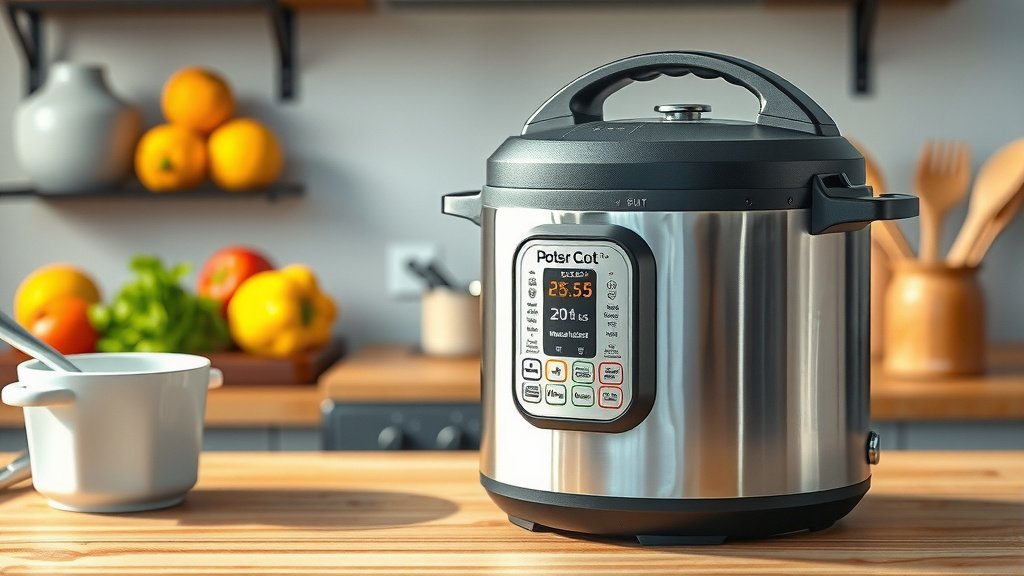
These are standalone appliances with their own heating element. They are incredibly convenient and user-friendly. Many electric models are also multi-cookers, offering functions like slow cooking, sautéing, and steaming. They have pre-programmed settings for common dishes. You just set it and forget it, which is a huge plus for many cooks.
The Rise of the Multi-Cooker
Many modern electric pressure cookers are actually multi-cookers. This means they can do more than just pressure cook. They might have settings for yogurt making, rice cooking, or even cake baking. This versatility makes them a popular choice for kitchens where space might be limited.
Safety Features: What You Need to Know
Safety has always been a top concern with pressure cookers, and manufacturers have made huge strides. Modern pressure cookers are remarkably safe when used correctly. They incorporate multiple safety mechanisms to prevent accidents. You’ll find features like:
- Locking lids: Most lids won’t open unless the cooker has completely depressurized.
- Pressure regulators: These vents automatically release excess steam.
- Safety valves: Back-up valves that release steam if the primary regulator fails.
- Over-pressure plugs: These plugs are designed to melt or release if pressure becomes dangerously high.
Always make sure your pressure cooker is clean and in good working order before each use. Checking the gasket and valves is a simple but important step.
Is a Pressure Cooker Right for You? A Quick Checklist
Considering adding one to your kitchen arsenal? Ask yourself these quick questions:
- Do you often find yourself short on time for cooking?
- Do you enjoy cooking tough cuts of meat or dried beans?
- Are you looking for ways to save energy in the kitchen?
- Would you like to lock in more nutrients and flavor in your meals?
- Do you appreciate appliances that offer speed and convenience?
- Are you comfortable with following simple operating instructions?
If you answered yes to most of these, a pressure cooker might just become your new favorite kitchen tool!
Conclusion
You now understand that a pressure cooker is a fantastic tool for speeding up your cooking. It uses trapped steam to create higher temperatures, making meals tender and delicious in a fraction of the time. This means you can enjoy hearty dishes even on your busiest weeknights. Plus, you save energy and retain more nutrients. If you’re looking for a way to make your kitchen more efficient and your meals more flavorful, it’s time to consider adding a pressure cooker to your cooking arsenal. Take the next step and research models that fit your cooking style!
Frequently Asked Questions
How long does it take to pressure cook something?
Actual cooking times under pressure are very short, often 5-20 minutes for vegetables and grains, and 20-40 minutes for tougher meats. Remember to factor in the time it takes for the cooker to come up to pressure (about 10-15 minutes) and to release pressure afterward (natural release can take 10-30 minutes).
Can I open a pressure cooker while it’s cooking?
No, you should never attempt to open a pressure cooker while it is still under pressure. Modern cookers have safety features to prevent this. You must wait for the pressure to release completely before safely opening the lid.
What’s the difference between stovetop and electric pressure cookers?
Stovetop models require manual heat adjustment on your stove and are generally more affordable. Electric pressure cookers are standalone appliances with built-in heating elements and often offer multiple cooking functions, providing more convenience and pre-set programs.
Are pressure cookers safe to use?
Yes, modern pressure cookers are very safe when used according to the manufacturer’s instructions. They are equipped with multiple safety valves and mechanisms to prevent over-pressurization and ensure the lid cannot be opened until it’s safe.
What foods cook best in a pressure cooker?
Pressure cookers excel at cooking tough cuts of meat until tender, cooking dried beans from scratch quickly, and making flavorful broths and stocks. They are also great for grains like rice and quinoa, and even some desserts like cheesecakes.