Thicken Slow Cooker Sauce: Easy & Delicious Methods
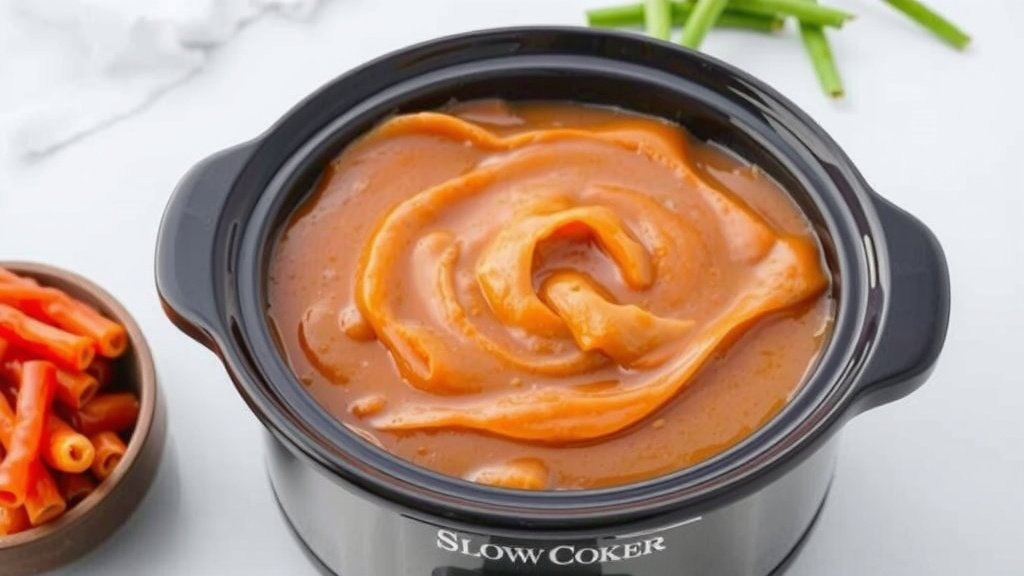
You can easily thicken slow cooker sauce that’s too thin by adding a slurry of cornstarch or flour mixed with water. Another simple method is to simmer the sauce uncovered on the stovetop to let some of the liquid evaporate. For a richer texture, you can also whisk in a thickening agent like roux or reduce cream. Don’t worry, a watery sauce is a common slow cooker problem, and it’s simple to fix to get that perfect consistency for your dish.
When your slow cooker sauce comes out thinner than you hoped, it can feel like a recipe disaster. Thankfully, there are several tried-and-true methods to rescue it. We found that the most effective ways involve adding something to absorb moisture or concentrating the existing flavors. Getting your sauce just right makes a big difference in the final meal, turning a good dish into a truly delicious one.
- Thicken with a cornstarch or flour slurry.
- Simmer sauce uncovered on the stovetop.
- Use roux or heavy cream for richness.
- Reduce the liquid by evaporating.
Let’s walk through the best ways to fix that runny sauce and get it to the consistency you’re craving.
Fixing Your Runny Slow Cooker Sauces
Is your slow cooker sauce more of a watery puddle than a rich, clinging sauce? You’re not alone! It’s a common kitchen hiccup. But don’t toss it out just yet. We found that with a few simple tricks, you can transform that thin liquid into a delicious, thickened sauce that will coat your ingredients beautifully.
Mastering the Art of Sauce Thickening
Thickening your sauce is all about controlling moisture and adding body. The goal is to make your sauce cling to your food, not slide off. We’ve experimented with several methods, and thankfully, most are quick and easy. You probably have the main ingredients for these fixes right in your pantry.
The Slurry Solution: Cornstarch and Flour Power
This is often the go-to method for a reason. It’s fast and effective. A slurry is simply a thickening agent mixed with a cold liquid. This prevents clumps from forming in your hot sauce. You can use either cornstarch or all-purpose flour. We found both work well, but cornstarch gives a clearer, glossier finish.
Using Cornstarch
For every cup of liquid you need to thicken, mix 1 tablespoon of cornstarch with 2 tablespoons of cold water. Whisk it until it’s smooth and there are no lumps. Pour this mixture slowly into your simmering sauce while stirring. Let it cook for a few minutes. You’ll see it thicken almost immediately. You might not need the whole slurry. Add it bit by bit until you reach your desired consistency.
Using Flour
Flour is another reliable option. For every cup of liquid, mix 2 tablespoons of all-purpose flour with 2 tablespoons of cold water. Again, whisk until perfectly smooth. Add this to your sauce gradually, stirring constantly. Flour needs a bit longer to cook out its raw taste. Let it simmer for about 5-10 minutes. We found this method adds a slightly opaque quality to the sauce, which can be nice for creamy dishes.
Evaporation Station: Simmering Uncovered
Sometimes, the simplest solutions are the best. If your sauce is just a little too thin, you might just need to let some of the liquid escape. This is called reducing the sauce. You can do this right in your slow cooker or transfer it to a pot on the stovetop.
In the Slow Cooker
Remove the lid from your slow cooker. Set the heat to high. Let it cook for 30 minutes to an hour. Keep an eye on it. You’re looking for the sauce to reduce and thicken naturally. This works best for sauces that aren’t excessively watery. It’s a gentle way to concentrate flavors too.
On the Stovetop
For a faster reduction, transfer your sauce to a saucepan or skillet. Bring it to a gentle simmer over medium heat. Let it bubble away uncovered. Stir occasionally to prevent scorching. This method is quicker than using the slow cooker alone. It gives you more control over the thickening process. We found this works especially well for finishing a sauce after it’s come out of the slow cooker.
The Richer Route: Roux and Cream
Want to add not just thickness but also a luxurious depth of flavor? Consider using a roux or heavy cream. These methods are a bit more involved but offer fantastic results for certain dishes. A roux is a cooked mixture of fat and flour, and it’s the base for many classic sauces.
Making a Roux
Melt 1-2 tablespoons of butter or oil in a saucepan over medium heat. Whisk in an equal amount of flour. Cook, stirring constantly, for 1-2 minutes. This cooks out the raw flour taste. The longer you cook it, the darker the roux becomes, adding a nuttier flavor. For a thin sauce, a white or blond roux is usually best. Whisk small amounts of your hot sauce into the roux. Then, pour the combined mixture back into the main pot of sauce. Simmer until thickened.
Adding Heavy Cream or Coconut Cream
Heavy cream can add richness and help thicken a sauce. It also adds a lovely smooth texture. Pour a small amount of heavy cream (or full-fat coconut milk for a dairy-free option) into your sauce. Stir it in and let it heat through gently. Don’t boil it vigorously after adding cream, as it can curdle. You can also reduce the cream slightly before adding it for extra thickness. We found that about 1/4 to 1/2 cup is a good starting point for most slow cooker recipes.
Other Thickening Aids
Beyond the common methods, a few other ingredients can come to your rescue. You might already have them on hand!
- Butter: Sometimes, whisking in a few tablespoons of cold butter at the end can add a nice sheen and a little body.
- Pureed Vegetables: If your recipe contains cooked vegetables like beans, squash, or even potatoes, you can mash or puree a small portion and stir it back into the sauce. This adds natural thickness and flavor.
- Mashed Potatoes/Breadcrumbs: For certain savory dishes, a small amount of mashed potato flakes or even plain breadcrumbs can absorb excess liquid. Use sparingly to avoid altering the taste too much.
When to Use Which Method: A Quick Guide
Choosing the right thickening method depends on your recipe and the result you want. Here’s a handy reference we put together:
| Method | Best For | Pros | Cons |
|---|---|---|---|
| Cornstarch Slurry | Most sauces, clear or light-colored | Quick, effective, glossy finish | Can become gummy if overcooked or re-heated too much. |
| Flour Slurry | Hearty stews, gravies | Readily available, adds body | Can have a slightly raw flour taste if not cooked long enough; less glossy finish. |
| Simmering Uncovered | Mildly thin sauces, concentrating flavors | Easy, natural flavor enhancement | Takes time, can over-reduce if not watched. |
| Roux | Rich sauces, gravies, creamy dishes | Adds depth of flavor and luxurious texture | Requires more cooking time and attention. |
| Heavy Cream | Creamy sauces, soups | Adds richness and smooth texture | Can curdle if boiled; adds dairy. |
Your Sauce Thickening Checklist
Here’s a quick reminder of the steps to get your sauce just right:
- Assess how thin your sauce is.
- Choose your thickening agent (slurry, reduction, etc.).
- Prepare your thickener (mix slurry, get ready to simmer).
- Add gradually while stirring.
- Simmer for a few minutes to activate.
- Taste and adjust seasoning if needed.
With these techniques, you’re well on your way to perfecting your slow cooker sauces. No more watery disappointments – just delicious, perfectly thickened goodness every time!

Conclusion
You’ve now learned several effective ways to fix that thin slow cooker sauce. Whether you opt for a quick cornstarch or flour slurry, simple stovetop simmering, or a richer roux or cream, you have the tools to achieve that perfect consistency. Remember, a runny sauce is never a lost cause! By following these methods, you can transform your meal from disappointing to delicious. Your next step is simple: the next time your sauce is too thin, confidently choose one of these techniques and enjoy your perfectly thickened dish.
Frequently Asked Questions
Can I thicken my slow cooker sauce without adding more liquid?
Yes, you can! Simmering the sauce uncovered is a great way to let excess liquid evaporate, naturally concentrating the flavors and thickening the sauce without adding anything new. This is a gentle method that works well for sauces that are only slightly too thin.
What’s the difference between using cornstarch and flour to thicken?
Cornstarch provides a clearer, glossier finish and thickens quickly. Flour, on the other hand, can give a more opaque look and needs a little longer to cook out its raw taste, but it’s a very common pantry staple. We found both are effective, so it often comes down to the desired final appearance of your sauce.
How do I avoid lumps when using a cornstarch or flour slurry?
The key is to mix your cornstarch or flour with cold liquid thoroughly before adding it to your hot sauce. Whisk it until it’s completely smooth and no dry powder remains. Then, pour the slurry into your simmering sauce gradually while stirring constantly.
Can I thicken my sauce after it’s already cooled down?
Yes, you absolutely can! You can gently reheat the sauce and then add a slurry or another thickening agent. You can also transfer it to a saucepan on the stovetop to simmer and reduce if needed. Just be mindful of how you reheat certain ingredients, like cream, to prevent curdling.
How much thickening agent should I use?
Start with a small amount and add more as needed. For cornstarch, a good starting point is 1 tablespoon of cornstarch mixed with 2 tablespoons of cold water per cup of liquid. For flour, use 2 tablespoons of flour mixed with 2 tablespoons of cold water per cup of liquid. You can always add more if your sauce still isn’t thick enough after simmering.