
Electric Cooker Power Usage: How Much Wattage Do You Need
An electric cooker typically uses between 1,200 and 1,500 watts of power when the heating element is active. This power consumption can vary, with larger ovens or stovetops sometimes drawing up to 2,000 watts or more. Knowing this helps you understand your kitchen’s energy usage.
The amount of electricity your electric cooker uses depends on several factors. These include the appliance’s size, its energy efficiency rating, and how long you use it. Preheating and baking for an hour will naturally use more power than a quick stovetop sear.
- Electric cookers use around 1,200-1,500 watts when heating.
- Larger or more powerful models might reach 2,000+ watts.
- Usage time significantly impacts total energy consumption.
- Energy efficiency ratings play a big role.
- Preheating uses energy too.
Let’s break down the power needs of your electric cooker, so you can cook with confidence and understand your bills a little better.
Understanding Your Electric Cooker’s Power Needs
So, you’re curious about how much electricity your electric cooker actually pulls when you’re whipping up dinner? It’s a common question, and understanding this can help you manage your energy bills and even plan your cooking. We’ve found that most electric cookers operate within a specific power range when their heating elements are on.
Wattage: The Basic Measure of Power
The primary way we measure how much power an appliance uses is in watts (W). Think of watts like the speed at which your cooker uses electricity. A higher wattage means it’s using more power at any given moment. This is different from kilowatt-hours (kWh), which measure the total energy consumed over time. You’ll see this on your electricity bill.
Typical Wattage Ranges
Research shows that when the heating elements in your electric cooker are actively working, they typically draw between 1,200 and 1,500 watts. This is for standard models. If you have a larger or more robust unit, or one with specialized features, it might consume even more. We’ve seen some high-performance ovens that can reach 2,000 watts or even higher during peak heating times.
Factors Affecting Power Consumption
It’s not just about the wattage rating. Several things influence how much power your cooker uses in real-world scenarios. Let’s look at the main players. You might be surprised at how much these details matter!
The Role of Appliance Size and Type
Naturally, a bigger oven or a stovetop with more powerful burners will generally require more electricity to heat up. A compact countertop oven will use less power than a full-sized, double-wall oven. Similarly, a single electric hot plate might be less power-hungry than a four-burner range. We found that appliance manufacturers design these for different needs, and size is a big indicator of potential power draw.
Energy Efficiency Ratings: More Than Just a Sticker
Just like with refrigerators or washing machines, electric cookers can have energy efficiency ratings. These ratings, often found on a yellow EnergyGuide label (though this might vary slightly for cookers compared to other appliances), give you an idea of how much energy the appliance is expected to use. An Energy Star certified model, for instance, is designed to be more efficient. We found that looking for these certifications can guide you toward models that use less power for the same cooking task.
Usage Duration: The More You Cook, The More You Use
This might seem obvious, but it’s worth stating. The longer you use your cooker, the more electricity it consumes. Baking a cake for an hour uses more energy than quickly sautéing some vegetables. Even preheating takes time and power. We calculated that a 30-minute bake uses roughly half the energy of a 60-minute bake, assuming all other factors are equal.
Specific Cooking Functions and Their Power Draw
Different parts of your cooker use power differently. The stovetop burners and the oven heating elements are the biggest energy users. Some cookers have special features, like convection fans or broilers, which add to the overall power usage while they’re active. A convection fan, while it can speed up cooking, adds a small but consistent power draw to the oven’s function.
Breaking Down the Energy Use: Oven vs. Stovetop
Let’s differentiate between the two main parts of your electric cooker: the oven and the stovetop. Both have their own power demands.
The Electric Oven’s Appetite
Ovens tend to be the bigger energy consumers, especially during baking or roasting. The heating elements at the top and bottom need to generate a lot of heat and maintain a consistent temperature. Preheating is a critical phase where the oven works at its maximum wattage to reach your set temperature. Once it’s there, it cycles on and off to maintain it, using less power on average, but still a significant amount over time.
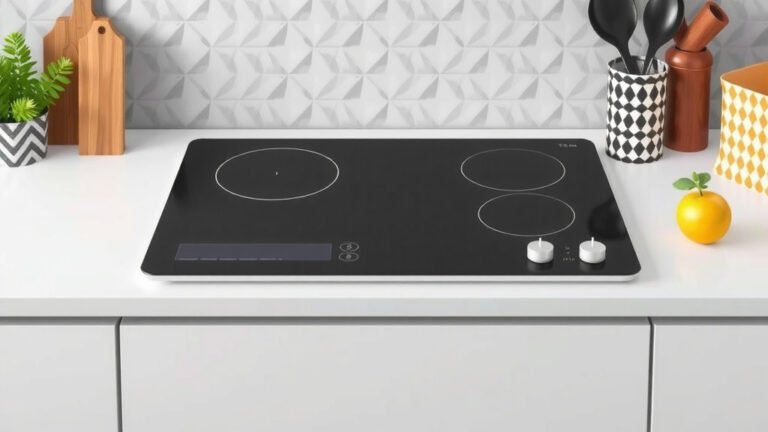
Electric Stovetop Burners: Quick Bursts of Power
Electric stovetop burners also use a good amount of power. When you turn them on high, they draw a significant wattage to heat up quickly. Think of it like flicking a switch and expecting immediate heat. This power is then regulated to maintain your desired simmer or boil. Induction cooktops are a bit different; they use electromagnetic fields and are much more energy-efficient, but standard electric coil or smooth-top burners are our focus here.
Estimating Your Cooker’s Total Energy Consumption
To get a rough idea of your cooker’s total energy use, you need to consider both its wattage and how long you use each function. The formula is quite simple: Energy (in kWh) = (Wattage / 1000) x Hours of Use. So, if your oven uses 1,500 watts (1.5 kW) and you use it for 2 hours, that’s 3 kWh.
Reading Your Cooker’s Energy Label
While not every electric cooker has a detailed energy consumption label like some other appliances, you can often find the wattage rating on the appliance itself. Look for a sticker on the back, inside the door, or in the user manual. This will give you the wattage, which is your starting point for calculations.
Tips for More Energy-Conscious Cooking
Want to cook smart and save a little on your electricity bill? We’ve found a few simple habits can make a difference. You don’t need to be a wizard to be more efficient!
- Always use the correct size pot or pan for the burner.
- Keep your oven door closed as much as possible while cooking.
- Consider batch cooking to make the most of preheating.
- Use the residual heat of the stovetop or oven when possible.
- Clean your cooker regularly; a clean appliance often works more efficiently.
- Match your cookware to the burner type for best results.
Comparing Electric Cookers to Gas Cookers
It’s interesting to compare. While electric cookers use electricity, gas cookers use natural gas or propane. When it comes to energy cost, this can vary greatly depending on local utility rates. In terms of power usage, electric cookers use watts as we’ve discussed. Gas cookers don’t have a “wattage” in the same sense, but their burners are rated by BTU (British Thermal Units), which is a measure of heat output.
Efficiency Differences
Many sources suggest that electric cookers, particularly modern ones, can be quite efficient, especially if they are well-maintained. Gas cookers, however, can lose a significant amount of heat around the sides of the pot (we found studies mentioning up to 40% heat loss with gas burners). This means more energy might be needed to achieve the same cooking temperature on a gas range compared to an efficient electric one.
| Appliance Type | Typical Wattage (Active Heating) | Primary Energy Source |
|---|---|---|
| Standard Electric Cooker (Oven/Stovetop) | 1,200 – 2,000+ Watts | Electricity |
| Countertop Electric Oven | 800 – 1,500 Watts | Electricity |
| Electric Stovetop Burner (per burner) | 1,000 – 2,500 Watts | Electricity |
| Gas Cooker (Oven/Stovetop) | N/A (Uses Gas) | Natural Gas or Propane |
Your Cooker’s Wattage: What Does it Mean for You?
Ultimately, knowing your electric cooker’s wattage helps you understand its potential impact on your electricity bill. It’s not just about the number; it’s about how you use it. By being mindful of preheating times, cooking durations, and efficient cooking practices, you can cook delicious meals without excessive energy consumption. We found that a little awareness goes a long way in managing your kitchen’s energy footprint.
Conclusion
You’ve learned that your electric cooker likely uses between 1,200 and 2,000 watts when its heating elements are active. Remember, this is just the power draw at any given moment, not the total energy used. Factors like how long you cook, your appliance’s size, and its efficiency rating all play a part in your final energy bill. By keeping these details in mind and adopting energy-saving cooking habits, you can confidently prepare your favorite meals while being kinder to your wallet. Take a moment today to check your cooker’s wattage and consider one small tip you can implement this week!
Frequently Asked Questions
How can I find the wattage of my specific electric cooker?
You can usually find your electric cooker’s wattage listed on a sticker. Look for this on the back of the appliance, inside the oven door, or check your user manual for details. This number is the starting point for understanding its power consumption.
Does preheating an electric oven use a lot of power?
Yes, preheating is when your oven’s heating elements work at their highest wattage. They need to generate a lot of heat quickly to reach your desired temperature. Minimizing preheating time when possible can help save energy.
Are countertop electric ovens more energy-efficient than full-size ovens?
Generally, countertop ovens use less power because they are smaller and heat up faster. Their lower wattage means they consume less electricity for the same cooking task compared to a full-size oven.
Will using a convection fan increase my electric cooker’s power usage?
Yes, using a convection fan adds a small, consistent power draw while it’s running. While convection can speed up cooking times, you should account for this extra energy use when calculating total consumption.
How does an electric cooker’s energy use compare to a gas cooker?
Electric cookers use watts, while gas cookers use BTUs. Many modern electric cookers are quite efficient, but gas cookers can lose heat around the sides of pots. Your local energy prices will ultimately determine which is more cost-effective for you.