Cook Perfect Eggs in Your Rice Cooker (July 2026)
Yes, you can absolutely cook eggs in a rice cooker! It’s a super easy and convenient way to make breakfast or a quick snack. Your rice cooker can actually steam eggs to perfection, much like a traditional steamer.
This method is fantastic for busy mornings. You get perfectly cooked eggs without needing a separate pot or pan. Plus, it’s a great way to free up your stovetop for other dishes. Many people find it surprisingly simple.
- You can cook eggs directly in your rice cooker.
- It’s a hands-off and convenient method.
- Results are often perfectly steamed eggs.
- It’s a great way to multitask in the kitchen.
Let’s walk through exactly how to get these tasty eggs ready in your trusty rice cooker, step by step.
So, you’ve got your rice cooker, and you’re wondering if it can handle more than just fluffy rice. The answer is a resounding yes! Your rice cooker is surprisingly versatile. It can be your secret weapon for perfectly steamed eggs. Think about it: no more hovering over a pot, no more guessing if they’re done. Just set it and forget it. It’s a method that many people are discovering and loving.
Steaming Eggs in Your Rice Cooker: A Simple Guide
Cooking eggs in a rice cooker is all about using its steaming capabilities. You’re essentially creating a mini, controlled steam environment inside the cooker. This gentle, even heat cooks the eggs beautifully. You’ll find the results to be consistently good, with less chance of cracking or overcooking compared to boiling on the stovetop.
What You’ll Need
Before you start, gather a few simple items. You’ll need your rice cooker, of course. Make sure it’s clean and ready to go. Then, you’ll need the eggs themselves. The number of eggs you cook will depend on the size of your rice cooker and how many you want. You also need water for steaming. Some people like to add a pinch of salt to the water, but it’s not strictly necessary. And finally, a small bowl or ramekin can be helpful if you’re cooking a few eggs and want to keep them contained.
Choosing the Right Rice Cooker Setting
Most modern rice cookers have a ‘steam’ setting. This is ideal for cooking eggs. If yours doesn’t have a specific steam button, the ‘white rice’ or ‘cook’ setting usually works well. These settings bring the water to a boil and maintain that temperature for a set period. It’s important to note that some very basic rice cookers might only have a ‘cook’ and ‘warm’ setting. In these cases, you’ll need to be more watchful.
Step-by-Step: Cooking Your Eggs
Let’s get down to business. This process is straightforward and won’t take much of your time. You’ll be enjoying perfectly cooked eggs before you know it.
Step 1: Add Water to the Inner Pot
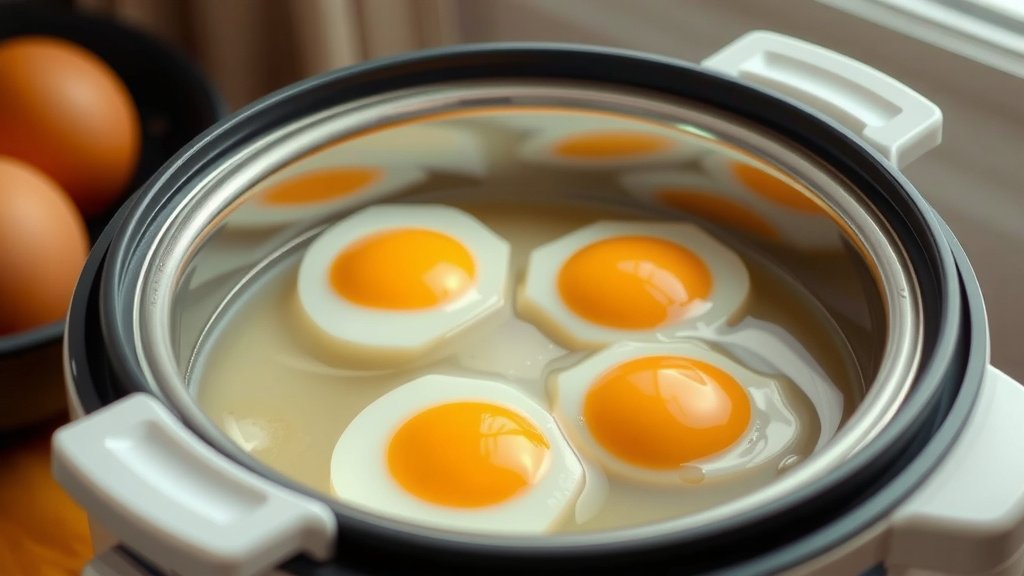
First, pour about one cup of water into the inner pot of your rice cooker. The exact amount isn’t super critical, but you need enough to create steam for the duration of cooking. Too little water and it might evaporate before the eggs are done. Too much water won’t harm anything, though. Think of it as creating a nice steamy bath for your eggs.
Step 2: Place Eggs or a Container in the Pot
Now for the eggs. You have a couple of options here. You can place the eggs directly into the water. Make sure they are gently resting at the bottom. If you’re concerned about them rolling around or want to cook them in a specific way, you can use a small, heat-safe bowl or ramekin. Place the bowl into the water. Then, carefully place your eggs inside the bowl. This is especially useful if you want to make something like a poached egg effect, though it’s technically steaming.
Step 3: Select the Cooking Setting
Close the lid of your rice cooker. Select the ‘steam’ setting if your model has one. If not, choose the ‘white rice’ or ‘cook’ setting. This will start the heating process and begin generating steam. It’s like magic happening inside that pot!
Step 4: Cook and Check for Doneness
Cooking time will vary depending on how you like your eggs and your rice cooker model. For soft-boiled eggs, aim for about 12-15 minutes. For hard-boiled eggs, you’ll want to cook them for around 18-22 minutes. Many rice cookers will automatically switch to ‘warm’ once the cooking cycle is complete. If yours doesn’t, you’ll need to keep an eye on the timer. It’s a good idea to experiment with your specific cooker to find the perfect timing.
Step 5: Cool and Serve
Once your eggs are cooked to your liking, carefully open the rice cooker lid. Be aware of the hot steam that will escape. Using a slotted spoon or tongs, gently remove the eggs from the cooker. For hard-boiled eggs, placing them in an ice bath immediately after cooking can stop the cooking process and make them easier to peel. Soft-boiled eggs are best served warm right away. You can crack them open and enjoy!
Understanding Cooking Times and Egg Consistency
We found that different rice cookers can have slightly different heating elements. This means your perfect cooking time might be a little longer or shorter than what we suggest. It’s always best to do a test run with one or two eggs. This helps you dial in the exact timing for your preferred consistency.
| Egg Style | Approximate Cooking Time | Result |
|---|---|---|
| Soft-Boiled | 12-15 minutes | Runny yolk, slightly firm white |
| Medium-Boiled | 16-18 minutes | Slightly set yolk, firm white |
| Hard-Boiled | 18-22 minutes | Fully cooked, firm yolk and white |
Tips for Perfect Rice Cooker Eggs
Here are a few extra tips to make your egg-cooking experience even smoother. These little tricks can make a big difference in your results. Think of them as your secret egg-cellent enhancements.
- Don’t overcrowd: If you’re cooking multiple eggs, ensure they have enough space. Overcrowding can lead to uneven cooking.
- Room temperature eggs: Using eggs that are at room temperature can help prevent cracking. Cold eggs hitting hot steam are more prone to it.
- Water quality: Some people swear by using filtered water for a cleaner taste, though tap water works just fine.
- Cleanliness is key: Always ensure your rice cooker pot and lid are thoroughly cleaned before and after use.
- Experimentation is encouraged: Your rice cooker might be unique! Don’t be afraid to adjust times slightly to find your perfect egg.
Beyond the Basic Egg: Creative Uses
Once you’ve mastered the simple steamed egg, why stop there? Your rice cooker can help you prepare other egg dishes too. Think about making a simple egg custard. You can whisk eggs with milk or broth, add some seasoning, and steam it in a ramekin within the rice cooker. Many Asian recipes showcase these steamed egg custards, often called “chawanmushi” in Japan. Researching specific recipes for your rice cooker model can open up a whole new world of possibilities!
Conclusion
You’ve learned that your rice cooker is more than just a rice-making machine. It’s a surprisingly capable tool for cooking perfect eggs. We’ve walked through the simple steps of steaming eggs, from adding water to choosing the right setting and timing for your desired consistency. Remember, a little experimentation with your specific cooker will help you achieve egg-cellent results every time. So, next time you need perfectly cooked eggs, give your rice cooker a try – it might just become your new favorite kitchen gadget for this task!
Frequently Asked Questions
Can I cook eggs directly in the rice cooker pot?
Yes, you can place eggs directly into the water in the rice cooker pot. Just ensure they rest gently at the bottom. If you prefer, you can also use a small, heat-safe bowl to hold the eggs within the steaming water.
What if my rice cooker doesn’t have a ‘steam’ setting?
If your rice cooker lacks a dedicated ‘steam’ setting, the ‘white rice’ or ‘cook’ setting will typically work well. These settings bring the water to a boil, which is what you need to create the steam for cooking your eggs.
How do I prevent eggs from cracking when steaming in a rice cooker?
Using eggs that are at room temperature can help prevent them from cracking. Cold eggs meeting the hot steam are more likely to experience thermal shock, leading to cracks. If you only have cold eggs, you can place them in a bowl of warm water for a few minutes before cooking.
How do I peel the eggs easily after cooking them in the rice cooker?
For hard-boiled eggs, a great tip is to transfer them to an ice bath immediately after cooking. This rapid cooling stops the cooking process and can make the shells much easier to peel. For soft-boiled eggs, peeling isn’t usually necessary as they’re best enjoyed warm and soft.
Can I cook multiple eggs at once in my rice cooker?
You can cook multiple eggs, but it’s important not to overcrowd the pot. Ensure the eggs have enough space to cook evenly. Overcrowding can lead to some eggs being undercooked while others are overcooked.