Pressure Cooker Temperature: What to Expect
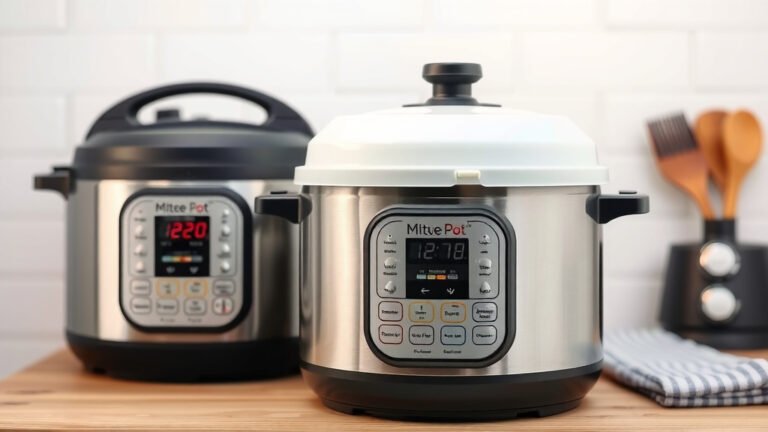
So, you’re wondering, “How hot does a pressure cooker get?” Well, a pressure cooker typically reaches temperatures between 240°F and 250°F. This is significantly hotter than regular boiling water (212°F). That’s why it cooks your food so much faster! It’s all about the steam pressure building up inside the pot.
This high heat is what makes pressure cooking a super efficient way to cook. The sealed environment traps steam, increasing the internal pressure. This pressure then forces liquid and heat into your food, tenderizing it rapidly. Many cooks find this method a real time-saver for tough cuts of meat and dried beans. It really is a kitchen marvel!
- Pressure cookers reach 240°F-250°F.
- This is much hotter than boiling water (212°F).
- Higher temps cook food much faster.
- Steam pressure is the key factor.
- It’s great for tenderizing tough foods quickly.
Let’s dive a little deeper into the science and practicalities of just how hot your pressure cooker gets and what that means for your meals.
Understanding Pressure Cooker Temperatures
So, just how hot does a pressure cooker get during operation? Research and found that most electric and stovetop models typically reach temperatures between 240°F and 250°F. This is quite a bit hotter than your standard boiling point of water, which hovers around 212°F at sea level. This difference is the secret sauce behind why pressure cooking is so much faster than other methods.
The Science of Steam and Pressure
You might be wondering how this higher temperature is even possible. It all comes down to physics and a sealed environment. When you lock the lid on a pressure cooker, you create a vapor-locked chamber. As the liquid inside heats up, it turns into steam. Because the steam can’t escape, it begins to build up pressure inside the pot.
Pressure and Boiling Point
Here’s where it gets interesting: increased pressure actually raises the boiling point of water. Think of it like this: the extra pressure pushing down on the water makes it harder for the water molecules to escape into the air as steam. So, instead of boiling at 212°F, the water in your pressure cooker needs to reach a higher temperature to become steam. This is how we get to those temperatures in the 240°F to 250°F range.
How Pressure Impacts Cooking Time
This elevated temperature is the primary reason pressure cookers are such time-saving kitchen tools. Food cooks faster when it’s exposed to higher temperatures. The intense heat, combined with the steam penetrating the food, tenderizes ingredients much more quickly than simmering or baking. Many experts note this method is ideal for tough cuts of meat or dried beans that would otherwise take hours to become tender (USDA).
Faster Cooking for Busy Lives
For those days when you’re short on time but still want a delicious, home-cooked meal, a pressure cooker is a lifesaver. You can go from raw ingredients to tender, flavorful dishes in a fraction of the time. Imagine making pulled pork in under an hour or having perfectly cooked beans ready for dinner without an overnight soak. It really makes weeknight meals much more achievable.
Factors Affecting Pressure Cooker Heat
While the temperature range is fairly consistent, a few things can influence the exact heat your pressure cooker reaches. Understanding these can help you achieve the best results for your cooking.
Altitude Considerations
Altitude plays a role in how boiling points and pressure work. At higher altitudes, atmospheric pressure is lower. This means water boils at a lower temperature than it does at sea level. For pressure cookers, this can affect the pressure they build and, consequently, the cooking temperature. Many guidelines suggest adjusting cooking times or pressure settings when cooking at high altitudes. For example, a recipe might need a slightly longer cooking time at 5,000 feet above sea level.
Type of Pressure Cooker
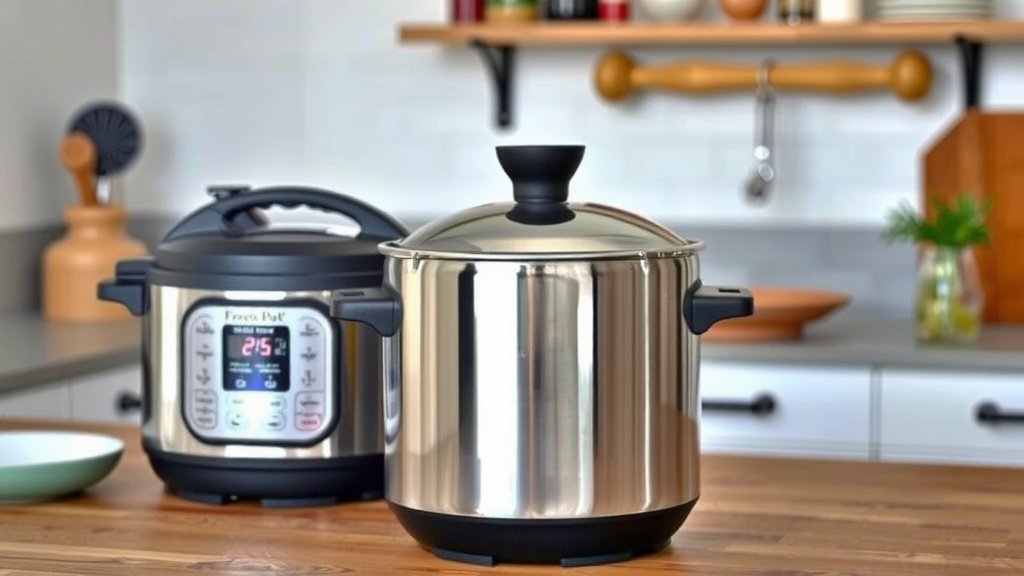
There are two main types of pressure cookers: stovetop and electric. While both achieve similar temperature ranges, their mechanisms for maintaining pressure and heat can differ slightly. Electric models often have pre-set programs and precise temperature controls. Stovetop models rely on you to manage the heat source and monitor the pressure. Research has found that both types are very effective, but the user experience can vary.
Electric vs. Stovetop Pressure Cookers
Electric pressure cookers are generally considered more user-friendly for beginners. They typically have automatic shut-off features and keep-warm functions. Stovetop models offer more hands-on control, which some cooks prefer. You’ll find that recipes might sometimes specify one type over the other, but often they are interchangeable with slight adjustments.
Amount of Liquid
The amount of liquid inside your pressure cooker is also important. You need enough liquid to generate steam and build pressure. However, too much liquid can sometimes affect the efficiency. Manufacturers provide minimum and maximum liquid guidelines for their specific models. Always consult your pressure cooker’s manual to ensure you’re using the right amount of liquid for safe and effective operation.
Safety and Temperature Management
It’s important to remember that working with a hot, pressurized vessel requires care. Pressure cooker safety has come a long way, and modern designs have many built-in safeguards.
Understanding the Pressure Release Valve
Every pressure cooker has a pressure release valve. This is a critical safety feature designed to vent excess steam if the pressure gets too high. If you hear hissing or see steam escaping from the valve during cooking, it’s usually functioning as intended. It helps maintain the correct operating pressure. Never try to force the lid open while the cooker is still pressurized.
Natural vs. Quick Pressure Release
There are two common ways to release pressure after cooking: natural release and quick release. Natural release allows the pressure to drop gradually on its own. This is often recommended for meats and stews to keep them tender. Quick release involves manually opening the pressure release valve to let the steam escape rapidly. This is useful for foods that can overcook, like vegetables. Understanding when to use each method is key to achieving the desired food texture.
Checking Your Cooker’s Gasket
The rubber or silicone gasket around the lid is essential for creating a tight seal. Over time, this gasket can wear out or become damaged. A worn gasket can prevent the cooker from reaching its proper pressure, meaning your food might not cook as quickly or as thoroughly. Regularly inspect your gasket for cracks or signs of wear. Replacing it as needed is a simple way to ensure your pressure cooker operates safely and efficiently.
Here’s a quick checklist for managing your pressure cooker:
- Always check your manual for specific instructions.
- Ensure there’s enough liquid to build pressure.
- Inspect the gasket before each use.
- Never force the lid open when pressurized.
- Understand natural vs. quick pressure release.
- Be mindful of altitude if you live high up.
Conclusion
You now know that your pressure cooker reaches impressive temperatures, typically between 240°F and 250°F. This high heat is driven by steam pressure, making it a powerhouse for fast and tender cooking. Understanding how altitude, cooker type, and liquid amounts affect this can help you get the best results. Always prioritize safety by respecting the pressure release valve and checking your gasket. Now you can confidently use your pressure cooker, knowing exactly what’s happening inside and how to get the most out of this amazing kitchen tool. Go ahead and try that recipe you’ve been wanting to make!
Frequently Asked Questions
Can a pressure cooker actually get hotter than boiling water?
Yes, absolutely! Your pressure cooker can reach temperatures between 240°F and 250°F, which is significantly hotter than plain boiling water at 212°F. This happens because the sealed environment traps steam, increasing pressure and raising the water’s boiling point.
Does the temperature change based on the recipe?
While the internal temperature range of a pressure cooker itself is fairly consistent (240°F-250°F), the actual cooking time for a recipe will vary. Different foods require different durations at these high temperatures to become perfectly tender and cooked through.
How do I know if my pressure cooker is reaching the right temperature?
Your pressure cooker is designed to indicate when it has reached the correct cooking pressure, often with a locking mechanism or a visual indicator. You’ll also hear the characteristic hissing of steam from the pressure release valve as it maintains that temperature.
Is it dangerous if my pressure cooker gets too hot?
Modern pressure cookers have safety features like pressure release valves that will vent excess steam if it gets too high. Always follow your manual’s instructions to ensure safe operation and prevent over-pressurization.
Will the food inside the pressure cooker reach the same temperature as the pot’s walls?
Yes, the high temperature inside the pressure cooker is transferred efficiently to the food through the pressurized steam. This allows your ingredients to cook rapidly and evenly throughout.