How Does a Slow Cooker Work Explained Simply
A slow cooker works by using a low, consistent heat over a longer period. This gentle cooking method is perfect for tenderizing tougher cuts of meat and melding flavors. Your slow cooker basically cooks your food without you needing to hover over it. It’s a set-it-and-forget-it kind of appliance!
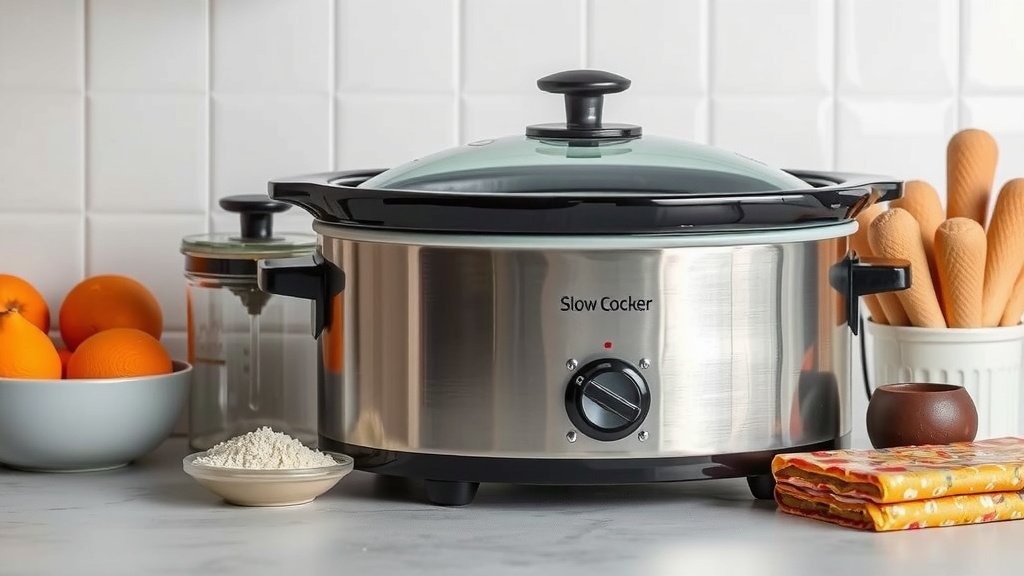
This kitchen helper is made up of a few simple parts: a base with a heating element, a cooking pot (usually ceramic or porcelain), and a lid. Research shows that this design allows for even heat distribution and traps moisture. This is why your stews and roasts come out so wonderfully tender and flavorful with minimal effort. It’s a real kitchen workhorse!
- Slow cookers use low heat over many hours.
- They have a base, a pot, and a lid.
- This cooks food evenly and keeps it moist.
- Perfect for tenderizing meats and building flavor.
Let’s break down exactly how your trusty slow cooker does its magic, step by step.
Understanding How Your Slow Cooker Cooks Food
Your slow cooker is a marvel of simple engineering. It uses gentle, consistent heat over many hours to cook your meals. This method is fantastic for making tough cuts of meat incredibly tender. It also allows flavors to meld together beautifully. You can basically set it and forget it with this appliance!
The Core Components at Play
At its heart, a slow cooker has just three main parts. You have the heating element in the base. Then there’s the heavy cooking pot, usually made of ceramic or porcelain. Finally, there’s the lid, which seals everything in. This design ensures even heat distribution and traps moisture, keeping your food from drying out.
The Heating Element: The Gentle Engine
The base of your slow cooker contains a heating element. This element wraps around the sides or the bottom of the cooking pot. It’s designed to heat up slowly and stay at a low, steady temperature. This is the key to its “slow” cooking magic. It avoids the harsh, direct heat you’d get from a stovetop or oven.
The Cooking Pot: The Flavor Vessel
The pot, often called the crock, is usually made of a thick ceramic or porcelain material. This material is excellent at retaining and distributing heat evenly. It also acts as a cooking vessel where all your ingredients mingle. Because it’s so dense, it heats up gradually, contributing to the slow cooking process.
The Lid: The Moisture Trap
The lid is just as important as the other parts. It fits snugly onto the pot, creating a sealed environment. This traps steam and moisture inside. That’s why your pot roast stays so juicy and your chili doesn’t dry out. The tight seal prevents moisture from escaping, keeping everything tender and flavorful. Some research suggests this condensation cycle is vital for moist cooking (USDA).
The Science Behind the Low and Slow Method
So, how does this combination of parts actually cook your food? It’s all about temperature and time. Unlike a quick stir-fry or a rapid roast, the slow cooker works over a long period. This allows tougher fibers in meat to break down. It also gives ingredients ample time to release their flavors.
Understanding the Heat Settings
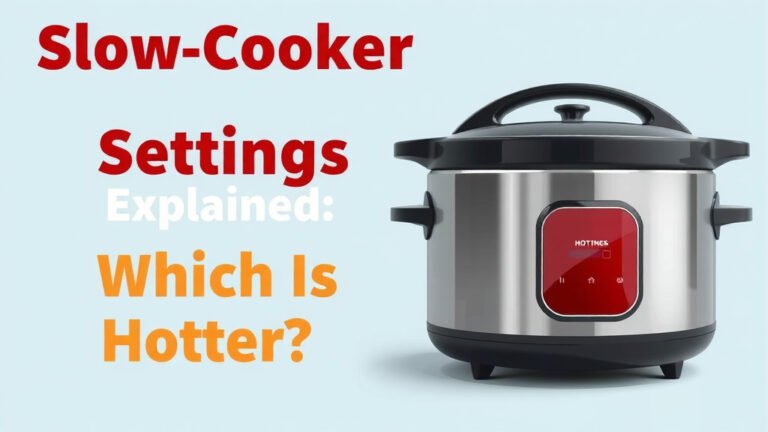
Most slow cookers offer a few heat settings: LOW, HIGH, and sometimes WARM. The magic of the slow cooker isn’t just the setting name, but the consistent temperature they maintain. These settings are not as hot as your oven’s equivalent. They are designed to reach and hold a specific, lower temperature.
The LOW Setting: For Patient Cooks
The LOW setting typically cooks food at around 200°F (93°C). Recipes often call for 6-10 hours on LOW. This setting is perfect for when you have the time to let your meal develop. It’s especially good for tenderizing tougher, cheaper cuts of meat. Think of it as a long, relaxing spa day for your ingredients.
The HIGH Setting: For a Bit More Urgency
The HIGH setting usually cooks food at around 300°F (150°C). This setting is for when you need your meal ready a bit sooner, typically 3-5 hours. While it’s faster, it still maintains that characteristic slow cooker tenderness. It’s like giving your ingredients a brisk walk instead of a leisurely stroll.
The WARM Setting: For Serving Perfection
The WARM setting is designed to keep food at a safe temperature after it’s cooked. It holds the food above the “danger zone” for bacterial growth, which is typically below 140°F (60°C) (CDC). This setting doesn’t cook the food further. It just keeps it at a palatable temperature for serving.
The Role of Moisture and Evaporation
Moisture plays a huge role in how your slow cooker works. As the ingredients heat up, they release moisture. The lid traps this moisture, creating a steamy environment. This steam then condenses on the lid and drips back down onto the food. This self-basting process keeps everything wonderfully moist and tender. It’s a bit like a mini-greenhouse for your dinner!
Comparing Slow Cooker Settings to Oven Cooking
It’s important to know that slow cooker settings aren’t the same as oven temperatures. A HIGH setting on your slow cooker doesn’t equal 300°F in your oven. Research and kitchen professionals often state that slow cooker HIGH is roughly equivalent to an oven at 350°F, but it takes much longer to reach that point and maintains it more gently. The LOW setting is more akin to a very slow oven bake or a simmer on the stovetop.
Here’s a general idea, though always follow your recipe:
| Slow Cooker Setting | Approximate Equivalent (Oven/Stovetop) | Typical Cooking Time |
|---|---|---|
| LOW | Simmer on Stovetop / Oven at 200-250°F | 6-10 hours |
| HIGH | Oven at 350°F (but gentler) | 3-5 hours |
Putting It All Together: Your Culinary Success
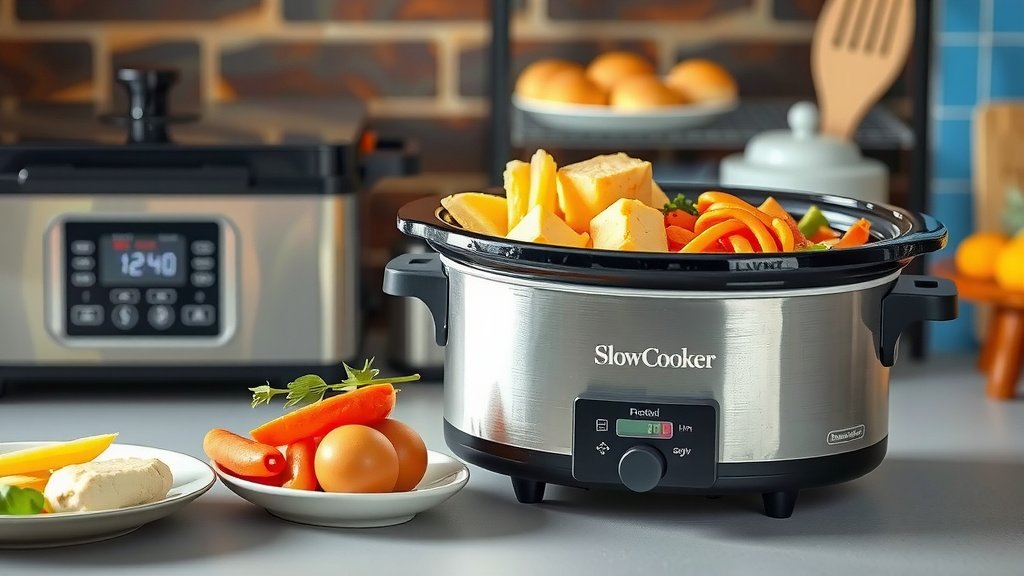
When you put ingredients into your slow cooker, add liquid, and turn it on, a few things happen simultaneously. The heating element warms the pot. The pot then heats the food. Moisture begins to release and turn to steam. The lid traps the steam, creating a humid cooking environment. This consistent, moist heat gently breaks down tough tissues in meats and softens vegetables. Flavors from spices, herbs, and ingredients slowly infuse everything. It’s a wonderfully hands-off approach to delicious meals.
Here’s a quick checklist to get you started:
- Ensure your pot is clean and dry.
- Add all your ingredients as per the recipe.
- Don’t overfill the slow cooker.
- Secure the lid tightly.
- Choose the correct heat setting (LOW or HIGH).
- Allow adequate cooking time for tender results.
Conclusion
You now understand the simple yet effective way your slow cooker works. It uses a gentle, consistent heat from its base, contained by a moisture-trapping lid, to cook your food over many hours. This low-and-slow method is your secret weapon for creating incredibly tender meats and deeply flavored dishes with minimal effort. The magic lies in its three core components working together to create a moist, even cooking environment. Now that you know the science, you’re ready to make your next slow cooker meal a masterpiece!
Frequently Asked Questions
Can I use any pot in my slow cooker base?
No, you should only use the cooking pot that came with your slow cooker. The pot is specifically designed to fit the heating element in the base and ensure even heating. Using a different pot could lead to uneven cooking or even damage your appliance.
Do I need to add more liquid than a regular recipe calls for?
Generally, no. Slow cookers are designed to retain moisture very well. In fact, you often need to reduce the amount of liquid in a recipe compared to stovetop or oven cooking. Too much liquid can dilute flavors and prevent proper thickening.
Can I put frozen meat directly into my slow cooker?
It’s generally not recommended to put large pieces of frozen meat directly into a slow cooker. Food safety guidelines suggest that meat should thaw first to ensure it heats through safely and evenly. Smaller frozen items like vegetables are usually okay.
What’s the difference between the LOW and HIGH settings on my slow cooker?
The primary difference is cooking time. LOW cooks at a lower temperature for a longer duration (6-10 hours), perfect for tenderizing tougher cuts. HIGH cooks at a higher temperature for a shorter duration (3-5 hours), offering more speed but still achieving tenderness.
Why does my slow cooker sometimes leave food dry, even with the lid on?
This can happen if the lid isn’t sealing properly or if you’re opening the lid too often. Each time you lift the lid, a significant amount of heat and steam escapes, prolonging the cooking time and potentially drying out your ingredients. Try to resist peeking!