Can You Oven Bake a Slow Cooker Insert
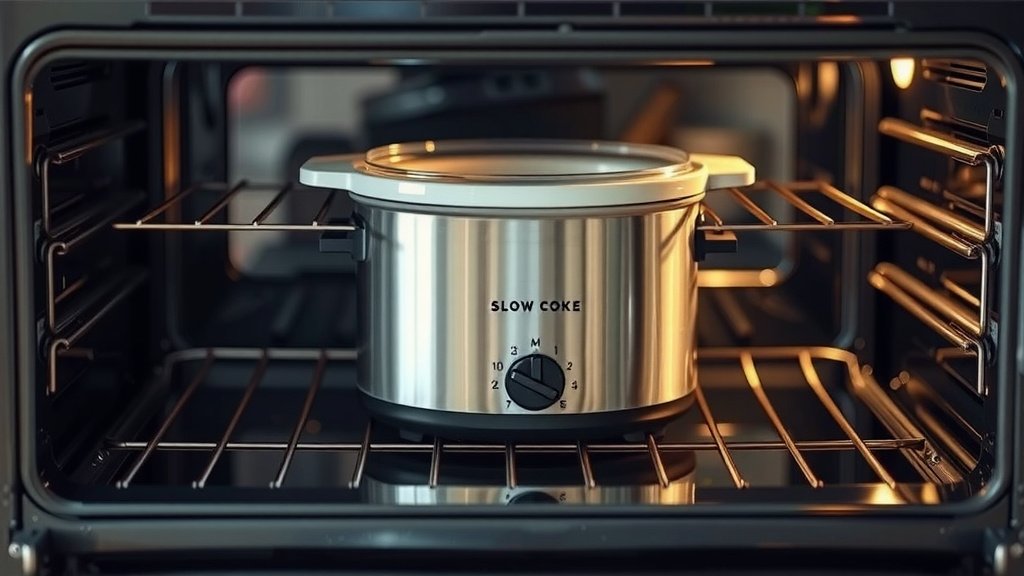
Yes, you can often put a slow cooker insert in the oven, provided it’s made of **oven-safe material**. Most slow cooker inserts are made of stoneware or ceramic, which are typically safe for oven use. Always check your slow cooker’s manual to confirm if your specific model’s insert is **oven-safe** before placing it in the oven.
This is a handy trick for finishing dishes or getting that perfect sear. You might be wondering if it’s safe or if it will damage your appliance. We found that understanding the material is key. It’s also important to preheat your oven correctly and handle the hot insert with **careful precautions**.
- Slow cooker inserts made of stoneware or ceramic are usually oven-safe.
- Always verify with your slow cooker’s manual for confirmation.
- Oven-safe inserts can be used for searing or finishing dishes.
- Preheating the oven and handling hot inserts safely is important.
Let’s walk through exactly when and how you can safely use your slow cooker insert in the oven.
Moving Your Slow Cooker Insert to the Oven: What You Need to Know
So, you’re in the middle of a recipe, and your slow cooker has done its magical low-and-slow work. Now you want to finish it off with a crispy top or a beautiful sear. It’s a common thought: Can I just pop this slow cooker insert right into the oven?
We’ve looked into this, and the short answer is usually **yes, you can**. But there are some important things to check first. Your slow cooker insert is likely made of stoneware or ceramic. These materials are generally heat-resistant and can handle oven temperatures. Think of it as giving your dish a second act in a different appliance!
Identifying Oven-Safe Inserts
The biggest factor is the material. Most slow cooker inserts are made from stoneware or ceramic. These are tough, heat-tolerant materials. They are designed to withstand the cooking process in the slow cooker itself. Because of this, they often can handle the higher, dry heat of an oven too.
However, not all inserts are created equal. Some might have metallic bases or decorative elements that won’t do well in the oven. This is where your slow cooker’s manual becomes your best friend. It’s the definitive source for what your specific insert can handle.
Your Slow Cooker’s Manual: The Ultimate Guide
We found that the manufacturer’s instructions are the most reliable source of information. Your slow cooker’s manual will tell you explicitly if the insert is oven-safe. Look for phrases like “oven-safe” or “broiler-safe.” If it doesn’t mention oven use, it’s best to play it safe and assume it’s not.
This small step can save you a lot of headaches. Damaging your insert or, worse, your oven, is something you definitely want to avoid. Think of your manual as the secret handshake for your appliance.
Materials That Are Generally Oven-Safe
Generally, if your insert is made of thick, solid ceramic or stoneware, it’s a good candidate for oven use. These materials are known for their ability to distribute heat evenly and withstand high temperatures.
Many modern slow cooker inserts are specifically designed with this dual-use in mind. They want you to be able to sear your chicken in a pan and then transfer it to the slow cooker, or finish your pulled pork in the oven for that perfect crust.
Materials to Be Wary Of
What about materials that aren’t oven-safe? If your insert has any plastic parts, glued-on handles, or metal components that aren’t clearly marked as oven-safe, steer clear. These materials can melt, warp, or even break under oven heat. Always remember to check the bottom of your insert for any markings or labels.
Some older models might have inserts with a different composition. It’s always better to err on the side of caution. If you’re unsure about the material, it’s best to stick to stovetop or slow cooker methods only.
When Using Your Insert in the Oven Makes Sense
Why would you even want to put your slow cooker insert in the oven? Several scenarios make this a really smart move. It’s not just about convenience; it can actually improve your final dish.
Achieving the Perfect Sear or Crust
Slow cookers are fantastic for tenderizing tough cuts of meat. However, they don’t typically produce a crispy skin or a nice sear. If you’ve made a roast or a whole chicken, you might want to finish it under the broiler or in a hot oven.
Placing the entire insert (if oven-safe) into a preheated oven allows the outside of your food to brown and crisp up beautifully. This adds a wonderful texture and depth of flavor that the slow cooker alone can’t achieve. It’s like giving your dish a spa treatment before serving!
Finishing Sauces and Toppings
Some dishes benefit from a bubbly, melted topping. Think casseroles or gratins that need their cheese browned. Moving your slow cooker insert to the oven can help achieve that golden, melted perfection. You can prepare your meal in the slow cooker and then transfer it to the oven for the final, delicious touch.
This is especially useful if your slow cooker doesn’t have a “bake” or “roast” setting. It’s a simple way to get oven-baked results without needing a separate baking dish. You reduce the number of dishes you have to wash, which is always a win.
Keeping Food Warm at Serving Temperature
Once your meal is ready, you might not be quite ready to serve it. Holding food at a safe serving temperature can be tricky. A low oven setting is perfect for this. You can carefully transfer your slow cooker insert to a warm oven. A low oven setting is perfect for keeping food warm, similar to a slow cooker’s warm setting.
This ensures your food stays hot and ready for your guests without overcooking. It’s a practical way to manage serving times, especially during busy holiday meals or dinner parties. Just remember to set your oven to a low temperature, typically around 200-250°F (95-120°C).
Safety First: Precautions for Oven Use
While it’s often safe, using your slow cooker insert in the oven requires care. Your safety and the integrity of your appliances are paramount. We’ve put together some key points to keep in mind.
Preheating is Key
Always preheat your oven before placing the insert inside. A sudden temperature change can shock the stoneware or ceramic. This could lead to cracking. Allow your oven to reach the desired temperature fully. This ensures even cooking and prevents thermal shock.
Think of it like easing into a hot bath. You don’t want to jump straight into scalding water, and neither does your insert. A gradual temperature increase is always best.
Using Oven Mitts and Handling with Care
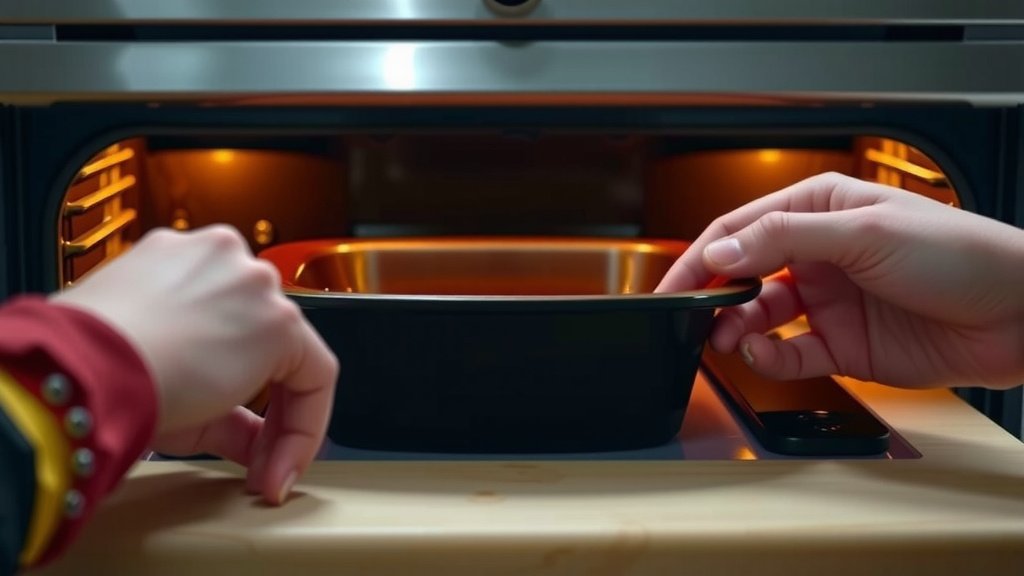
Stoneware and ceramic get extremely hot in the oven. Always use sturdy, high-quality oven mitts or heat-resistant gloves. Never touch the insert with bare hands.
When removing the insert from the oven, do so slowly and carefully. Make sure you have a clear path to where you will place it. Avoid sudden movements. A good place to set it is on a heat-resistant trivet or a wooden cutting board to protect your countertops.
Avoid Extreme Temperature Changes
As mentioned, thermal shock is a real concern. This means rapidly changing the temperature of the insert. Don’t take a cold insert and put it directly into a hot oven. Likewise, don’t take a piping hot insert and place it onto a cold, wet surface.
Water and cold surfaces can cause a rapid cooling effect. This is a common reason why ceramic and stoneware might crack. Always place hot inserts onto dry, heat-safe surfaces.
Never Use the Broiler Feature Unnecessarily
While some inserts might be broiler-safe, it’s generally best to avoid the broiler unless your manual specifically states it’s okay. Broiler temperatures are extremely high and can potentially damage the insert or cause uneven heating.
A standard baking or roasting temperature is usually sufficient for most finishing tasks. Stick to temperatures between 350°F and 425°F (175°C to 220°C) for best results and safety.
Check for Cracks or Chips Before Use
Before placing your insert in the oven, give it a quick visual inspection. Look for any existing cracks, chips, or damage. If you find any, it’s best not to use it in the oven. Damaged stoneware or ceramic is more prone to breaking under heat.
Think of it like checking a mug for cracks before pouring hot coffee. A small flaw can become a big problem when heat is involved. If you’re unsure, it’s always better to skip the oven step.
Quick Checklist for Oven-Safe Insert Use
- Confirm Material: Is your insert stoneware or ceramic?
- Consult Manual: Does your slow cooker’s manual say it’s oven-safe?
- Inspect for Damage: Are there any cracks or chips?
- Preheat Oven: Always preheat the oven before inserting.
- Use Oven Mitts: Handle the hot insert with extreme care.
- Use Trivets: Place hot inserts on dry, heat-safe surfaces.
| Purpose | Temperature Range | Notes |
|---|---|---|
| Keeping Warm | 200-250°F (95-120°C) | Low and slow to prevent drying out. |
| Browning/Searing (general) | 350-400°F (175-200°C) | Good for finishing dishes like roasts. |
| Crisping/Broiling (use with caution) | 400-425°F (200-220°C) | Only if manual confirms broiler-safe; watch closely. |
Conclusion
You’ve learned that putting your slow cooker insert in the oven is often possible and quite useful. The key is understanding your insert’s material and always checking your manual to confirm it’s oven-safe. Whether you’re aiming for a crispy finish, melted toppings, or keeping food warm, the oven can be a great extension of your slow cooker’s capabilities.
Just remember to prioritize safety by preheating your oven, using proper mitts, and avoiding drastic temperature changes. Now you’re ready to confidently move your slow cooker creation to the oven for that perfect final touch. Happy cooking!
Frequently Asked Questions
Can I put a slow cooker insert in the oven if it has a metal handle?
Generally, if your slow cooker insert has any metal handles attached, you should check your manual carefully. Some metal parts are oven-safe, while others might not be. If the manual doesn’t explicitly state the handles are oven-safe, it’s best to avoid using the insert in the oven to prevent any damage.
What should I do if my slow cooker manual doesn’t mention oven-safe use?
If your slow cooker’s manual is silent on the topic of oven use, it’s safest to assume the insert is not oven-safe. We found that manufacturers will typically highlight this feature if it’s available. Playing it safe means avoiding potential damage to your insert or oven.
Is it okay to use a cracked or chipped slow cooker insert in the oven?
No, you should never put a cracked or chipped slow cooker insert in the oven. These imperfections create weak points that can worsen under oven heat, potentially leading to the insert breaking. Always inspect your insert for damage before placing it in the oven.
Can I reheat food in the slow cooker insert in the oven?
Yes, you can often reheat food in an oven-safe slow cooker insert. Set your oven to a low temperature, around 250-300°F (120-150°C), to gently reheat your meal. This method can be great for keeping food moist while it warms up.
Will putting a cold insert directly into a hot oven crack it?
Yes, that’s a real risk known as thermal shock. Ceramic and stoneware can crack when subjected to rapid temperature changes. Always preheat your oven to the desired temperature before placing your insert inside to ensure a more gradual and safe heating process.