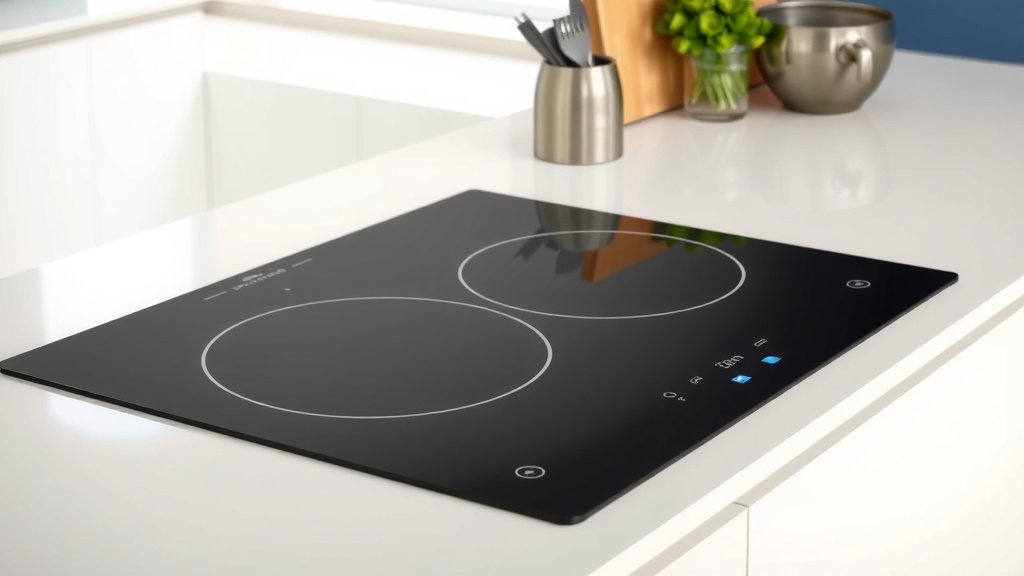
Ceramic vs Induction Hobs: Which Is Best for Your Kitchen
Choosing between a ceramic hob and an induction hob really comes down to your cooking style and budget. While both offer a sleek, modern look, induction hobs cook much faster and are more energy-efficient because they heat the pan directly, not the cooktop surface itself.
Ceramic hobs, on the other hand, use radiant heat beneath a glass-ceramic surface. They get hot and stay hot, which can be good for keeping food warm. We found that induction offers better temperature control and safety features, like auto shut-off when a pan is removed.
- Induction is faster, safer, and more energy-efficient.
- Ceramic heats up slower but retains heat.
- You need specific magnetic cookware for induction.
- Ceramic works with most flat-bottomed pans.
Let’s break down the differences between ceramic and induction hobs so you can pick the perfect one for your kitchen.
Ceramic vs. Induction: Understanding Your Cooktop Options
So, you’re looking to upgrade your kitchen or perhaps just understand your current cooking setup better. That’s fantastic! Choosing the right hob can make a big difference in your daily cooking. We’ve looked into the details of ceramic and induction hobs, and we’re here to help you see which one might be your kitchen’s new best friend.
How They Work: The Magic Underneath
Ceramic Hobs: Radiant Heat Explained
Think of a ceramic hob as a bit like a toaster oven. It uses electric elements or halogen lamps beneath the glass surface. When you turn it on, these elements heat up. This heat then transfers through the glass to your pot or pan. It’s a radiant heat process. The surface itself gets hot. This means it takes a little while for the hob to warm up and cool down. You’ll often see a hot surface indicator light. This light stays on until the hob has cooled to a safe temperature.
Induction Hobs: Magnetic Attraction
Induction is a bit different and, honestly, quite clever. It uses electromagnetism. When you turn on an induction hob, it creates a magnetic field. This field directly heats the metal of your cookware. The hob surface itself doesn’t get very hot. Only the pan gets hot. This means it heats up incredibly fast. It also cools down almost instantly when you remove the pan. This direct heating makes it very energy-efficient. We found that many users are surprised by how quickly it heats water compared to other types. Discover why induction cookers are considered very efficient.
Cooking Performance: Speed, Control, and Consistency
Heating Speed and Responsiveness
If you’re someone who often finds yourself in a hurry, induction is likely going to be your winner here. We found that induction hobs can bring water to a boil in about half the time of a ceramic hob. Imagine needing to quickly boil water for pasta or tea. Induction makes that happen in a flash. Ceramic hobs are slower to heat up. They also retain heat for a while after you turn them off. This can be good for simmering, but for rapid heating, induction wins.
Temperature Control: Precision Matters
Precise temperature control is key for many dishes. Think of delicate sauces or perfectly seared steaks. Induction hobs offer amazing control. Because the heat is generated directly in the pan, adjustments are immediate. You turn the dial, and the pan responds. Many experts point to this as a major advantage (Cleveland Clinic). Ceramic hobs are less responsive. Adjusting the heat takes time as the elements cool or heat up. This can make achieving very specific temperatures a bit more of a guessing game.
Simmering and Keeping Warm
What about those slower cooking tasks? Ceramic hobs do have an edge when it comes to keeping food warm. Their residual heat means the surface stays warm for a good period after use. This is perfect for keeping dishes warm while you finish other preparations. Induction hobs cool down very quickly. So, if you want to keep something warm for a long time, you’ll need to keep the induction turned on at a very low setting. This is something to consider if you do a lot of slow-simmering or buffet-style serving.
Safety Features: What You Need to Know
Child Lock and Surface Temperature
Safety is a big deal for any kitchen appliance. Induction hobs are generally considered safer. Since the cooktop surface doesn’t get very hot, the risk of accidental burns is lower. This is especially important if you have children or pets. Many induction models also come with a child lock feature. This prevents little hands from accidentally turning the hob on. Ceramic hobs do get hot. While they have indicator lights, there’s still a risk of touching a hot surface. Many guidelines recommend caution around hot ceramic surfaces (CDC).
Automatic Shut-Off
Another excellent safety feature found on many induction hobs is automatic shut-off. If you remove a pot or pan from the hob, it will automatically detect that there’s no cookware. It then turns off the heat. This is a great way to prevent accidents or wasted energy if you forget to turn off a burner. While some ceramic hobs might have timers, the automatic pan detection on induction is a standout feature for safety.
Cookware Compatibility: A Key Difference
Induction: Magnetic Materials Only
This is where you might need to do a little bit of shopping. Induction hobs require cookware with a magnetic base. How can you tell? A simple test is to see if a magnet sticks to the bottom of your pan. If it does, it’s likely compatible with induction. This includes most cast iron and many stainless steel pans. Aluminum, copper, and glass cookware typically won’t work unless they have a special magnetic layer added to the base. We found that many people appreciate the excuse to buy new, high-quality cookware!
Ceramic: More Flexible Options
Ceramic hobs are much more forgiving when it comes to cookware. They generally work with most flat-bottomed pans. This includes stainless steel, aluminum, copper, and glass. The only real requirement is that the bottom of the pan is smooth and flat. This ensures good contact with the hob surface for efficient heat transfer. So, if you have a collection of pans you love and don’t want to replace, a ceramic hob might be more convenient for you.
Energy Efficiency and Cost: What’s the Impact?
When we look at energy efficiency, induction hobs usually come out on top. Because they heat the pan directly, very little energy is lost. Research suggests induction can be up to 90% efficient. Ceramic hobs lose more energy through residual heat. They can be around 70% efficient. This means induction can help lower your energy bills over time. However, induction hobs often have a higher upfront cost. Ceramic hobs are typically more affordable to purchase. So, it’s a trade-off between initial investment and long-term savings.
Maintenance and Cleaning: Keeping it Shiny
Both ceramic and induction hobs offer a sleek, smooth surface that’s generally easy to clean. For spills, it’s best to wipe them up quickly, especially on induction where the surface doesn’t get too hot. For ceramic, it’s wise to wait until the surface has cooled. You can use a damp cloth and a mild detergent. For tougher, burnt-on food, you might need a special ceramic hob cleaner. Many experts recommend avoiding abrasive pads that could scratch the glass-ceramic surface (Good Housekeeping Institute). Both types look great when kept clean, adding a modern touch to your kitchen.
Making Your Choice: A Quick Checklist
Ready to decide? Here’s a quick rundown to help you:
- Speed: Do you need food cooked fast? Choose induction.
- Budget: Are you looking for a lower upfront cost? Ceramic might be better.
- Cookware: Do you have magnetic pots and pans, or are you okay buying new ones?
- Safety: Is a cooler cooktop surface a priority? Induction is the way to go.
- Heat Retention: Do you often need to keep food warm on the hob? Ceramic has an edge.
- Energy Savings: Are long-term energy efficiency and lower bills important? Induction excels here.
Conclusion
You’ve learned the key differences between ceramic and induction hobs. Induction offers speed, safety, and efficiency, making it a top choice for modern kitchens if you’re willing to invest in magnetic cookware. Ceramic provides a more budget-friendly option with broader pan compatibility and excellent heat retention for simmering. Consider your cooking habits and budget carefully. Ready to make your kitchen smarter? We recommend checking your current cookware’s magnetism and then looking at induction models if speed and safety are your priorities. If budget and pan flexibility are more important, a ceramic hob is a solid, reliable choice.
Frequently Asked Questions
Can I use my old pots and pans on an induction hob?
Generally, no. Induction hobs require cookware with a magnetic base. You can test your existing pans by seeing if a magnet sticks to the bottom. If it does, they’ll likely work. If not, you’ll need to purchase induction-compatible cookware, which often includes cast iron or specific stainless steel types.
Is induction cooking really as safe as they say?
Yes, induction hobs are considered very safe. The cooktop surface itself doesn’t get hot; only the pan is heated directly. This significantly reduces the risk of burns. Many models also feature child lock and automatic shut-off functions for added peace of mind.
How quickly does a ceramic hob cool down after use?
Ceramic hobs retain heat for a while after being turned off. The cooling time varies depending on the hob’s power setting and how long it was on. You’ll typically see a hot surface indicator light that stays on until the hob has cooled to a safe temperature, which can take anywhere from a few minutes to longer.
Which type of hob is better for someone who loves to simmer gently for hours?
If you frequently simmer or keep food warm for extended periods, a ceramic hob might be more suitable. Its residual heat allows it to maintain warmth for a longer duration after the heat source is reduced. Induction hobs cool down very quickly, so you would need to keep them on a very low setting to achieve a similar effect.
What is the main advantage of induction hobs regarding energy efficiency?
The primary energy efficiency advantage of induction hobs comes from their direct heating method. They generate heat directly within the cookware using a magnetic field. This means very little energy is lost as heat escaping into the air or heating the hob surface itself, making them more efficient than ceramic hobs.