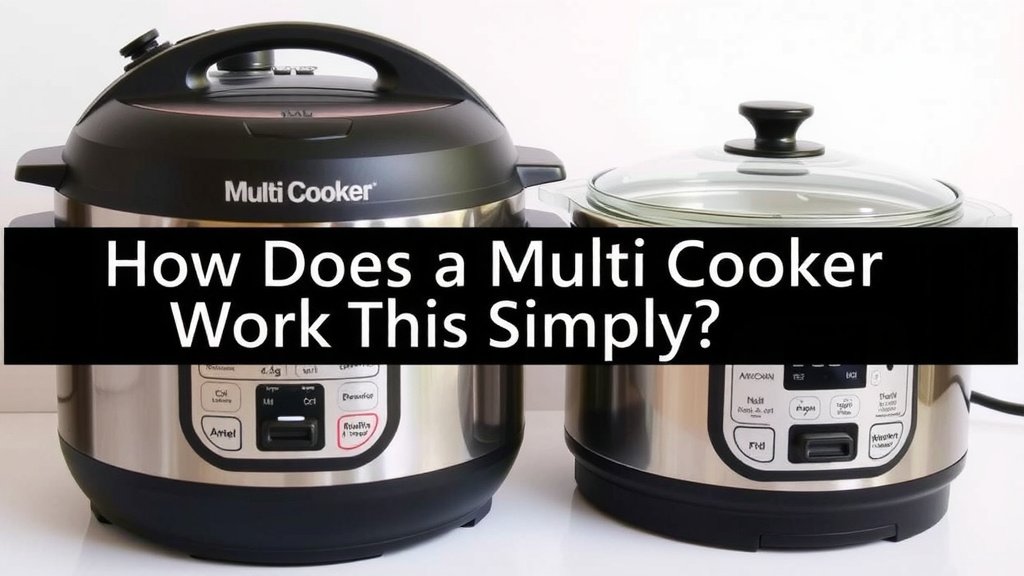
How Does a Multi Cooker Work Explained Simply
A multi-cooker works by using a combination of heating elements and smart technology to perform various cooking functions in one pot. It essentially replaces multiple kitchen appliances, making meal prep simpler and faster. Most models feature a central heating element and pressure-sealing lid to create controlled environments for steaming, sautéing, slow cooking, and pressure cooking.
This all-in-one appliance has revolutionized home cooking for many. We found that its versatility means you can go from searing meat to pressure cooking a stew in the same unit. It’s designed to manage temperature and time with precision, ensuring consistent results whether you’re baking a cake or making yogurt. Its clever design takes the guesswork out of many recipes.
- Multi-cookers use heating elements and smart controls.
- They can perform many cooking functions in one pot.
- Pressure sealing is key for tasks like pressure cooking.
- They offer precision in temperature and time management.
Let’s walk through exactly how this kitchen marvel brings all those cooking methods together.
Understanding How Your Multi-Cooker Works
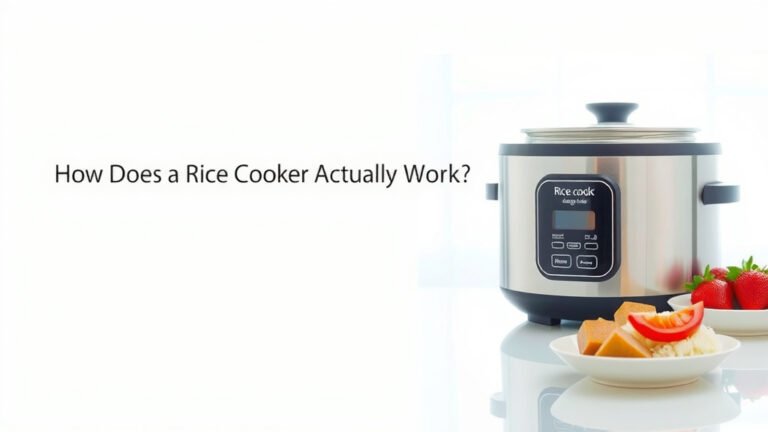
Your multi-cooker is a kitchen whiz, a true all-in-one appliance. It blends several cooking methods into a single, smart device. At its core, it uses precise heating elements and a clever control system. This allows it to mimic the functions of a pressure cooker, slow cooker, rice cooker, steamer, and more. You get consistent results without juggling multiple pots and pans. It simplifies your cooking process immensely.
The Heating System: More Than Just Heat
Most multi-cookers have a heating element located at the bottom of the cooking pot. This element distributes heat evenly. For sautéing or searing, it gets quite hot, just like a stovetop. For slower cooking methods, it maintains a gentler, consistent warmth. This controlled heat is fundamental to its versatility. You’re not just getting heat; you’re getting smartly regulated heat.
Induction vs. Standard Heating
Some higher-end models use induction heating. This technology heats the pot directly through magnetic fields. It’s very fast and efficient. Standard models use a resistive heating element, which works perfectly well. Both methods ensure your food cooks thoroughly and evenly. The difference is often in the speed and precision of temperature changes.
The Role of the Sealing Lid and Pressure Cooking
The magic of pressure cooking happens thanks to the specialized lid. It creates an airtight seal. When the multi-cooker heats up, the liquid inside turns to steam. This steam builds up pressure within the pot. The increased pressure raises the boiling point of water. This means your food cooks much faster. Think tender pulled pork in under an hour! It’s a science-backed shortcut.
Pressure Release Mechanisms
Safety is key, so multi-cookers have pressure release valves. These automatically vent excess steam if the pressure gets too high. You can also often manually release pressure. This gives you control over the cooking process. Research suggests that the high-pressure environment can help preserve nutrients in food (NIH). It’s a fast, efficient, and nutrient-friendly way to cook.
Smart Controls and Pre-Set Programs
Your multi-cooker isn’t just a pot; it’s a smart appliance. It has a digital control panel with various pre-set programs. You’ll find settings for rice, soup, yogurt, steaming, and more. These presets are pre-programmed with the right temperature and time combinations. This takes the guesswork out of cooking. You just select your function, add ingredients, and let it do its thing.
Customizing Your Cook
While the presets are great, you’re not limited to them. Most models allow you to manually adjust the time and temperature. This is where you can really experiment. Want your stew a little thicker? You can sauté it a bit longer. Need your rice a bit softer? Adjust the time. This level of control is what makes it so adaptable.
How Different Functions Work
Let’s break down how a few common functions operate:
- Sauté/Sear: The heating element gets hot, like a stovetop pan. You can brown meats or soften vegetables right in the pot before pressure cooking or slow cooking.
- Pressure Cook: The lid seals, and the element heats liquid to create steam. The pressure builds, cooking food rapidly. We found this reduces cooking time significantly for tough cuts of meat.
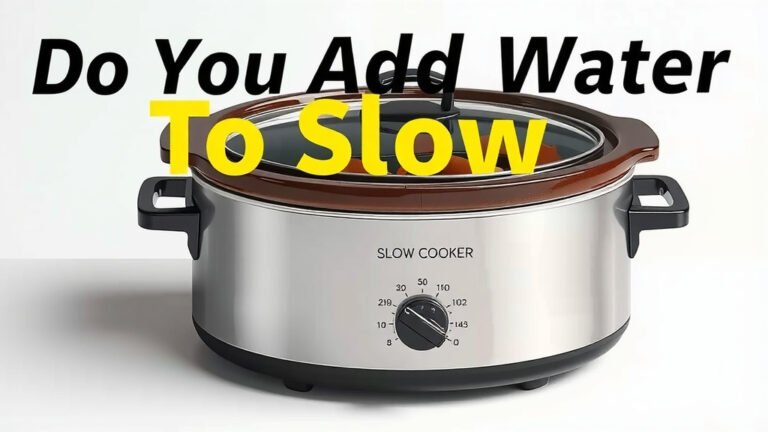
- Slow Cook: The element maintains a low, steady temperature over several hours. This is perfect for tenderizing meats and developing deep flavors. It mimics a traditional slow cooker.
- Steam: Water is heated to produce steam, which gently cooks food like vegetables or fish. This method is excellent for retaining nutrients, as studies often show (Cleveland Clinic).
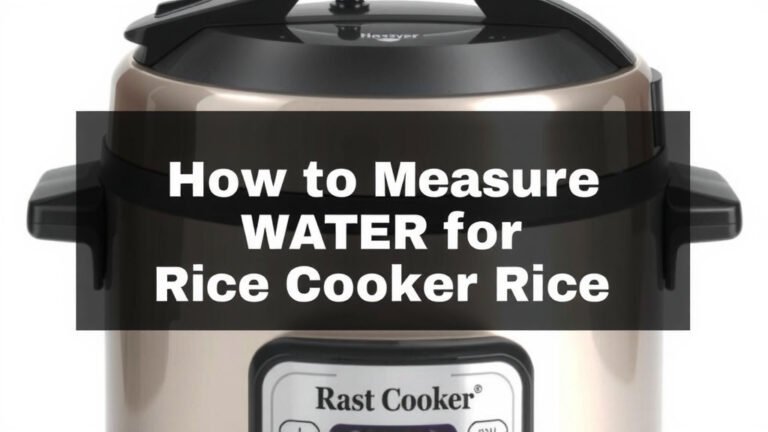
- Rice Cook: A specialized setting that precisely controls temperature and time for perfectly cooked rice every time.
- Yogurt Maker: Maintains a consistent, low temperature for the extended period needed for fermentation.
A Comparison of Multi-Cooker Functions
It’s helpful to see how the core functions differ in their approach to cooking:
| Function | Heating Method | Lid Requirement | Typical Use |
|---|---|---|---|
| Pressure Cook | High heat to create steam, then high pressure | Sealed tightly | Fast cooking, tenderizing tough meats |
| Slow Cook | Low, steady heat over long periods | Lid loosely placed or sealed (depending on model) | Tenderizing, flavor development |
| Sauté/Sear | High heat, direct contact with pot | Lid typically off | Browning, softening ingredients |
| Steam | Heating water to produce steam | Lid loosely placed or sealed | Gentle cooking, nutrient retention |
Putting It All Together: Your Workflow
Imagine making a hearty beef stew. You’d first use the sauté function to brown your beef and vegetables in the pot. Then, you’d add your liquids and seasonings. Next, you’d seal the lid and select the pressure cook function. In about an hour, you have tender, flavorful stew that would normally take half a day. Cleanup is also a breeze. You’re often just washing one pot!
Why So Many Functions? Convenience and Efficiency
The main advantage is convenience. You can go from one cooking stage to the next without transferring food. This saves time and reduces the number of dishes you dirty. It’s also great for small kitchens where space is limited. Many people find they can get rid of other single-purpose appliances. It truly simplifies your meal preparation process.
A Quick Checklist for Understanding Your Multi-Cooker
Here’s what to remember about how it works:
- It uses a central heating element.
- A smart control system manages temperature and time.
- The sealing lid is key for pressure cooking.
- Pre-set programs offer easy cooking options.
- Manual controls give you flexibility.
- It combines multiple appliance functions into one pot.
Conclusion
You’ve now seen how your multi-cooker cleverly combines heating elements and smart technology. It’s a versatile appliance that simplifies cooking by taking on many functions. From sautéing to pressure cooking, it offers precise control. This means less time in the kitchen and fewer dishes to wash. Your next step is to experiment! Pick a recipe you’ve always wanted to try and let your multi-cooker handle the hard work.
Frequently Asked Questions
Can I really replace multiple appliances with just one multi-cooker?
Yes, you absolutely can! Most multi-cookers are designed to replace appliances like slow cookers, rice cookers, steamers, and even yogurt makers. You’ll find you can perform many common cooking tasks with this single device, saving counter space.
How does the multi-cooker know how long to cook something?
Your multi-cooker uses pre-set programs that have been carefully calibrated for specific foods. These programs automatically set the correct temperature and cooking time. You can also often adjust these settings manually for more control.
Is pressure cooking in a multi-cooker safe?
Multi-cookers are designed with multiple safety features, including pressure release valves. These ensure that excess steam is vented safely. Always ensure the lid is properly sealed before starting a pressure cooking cycle.
What’s the difference between sauté and pressure cooking functions?
The sauté function uses direct heat from the bottom element, like a stovetop pan, to brown ingredients with the lid usually off. Pressure cooking involves sealing the lid tightly, building steam and pressure inside the pot to cook food much faster.
Can I use my multi-cooker for meal prepping?
Absolutely! The efficiency of the multi-cooker makes it ideal for meal prepping. You can cook large batches of grains, stews, or shredded meats quickly. Many users find they can prepare several meals for the week in one go.