How Does a Rice Cooker Actually Work
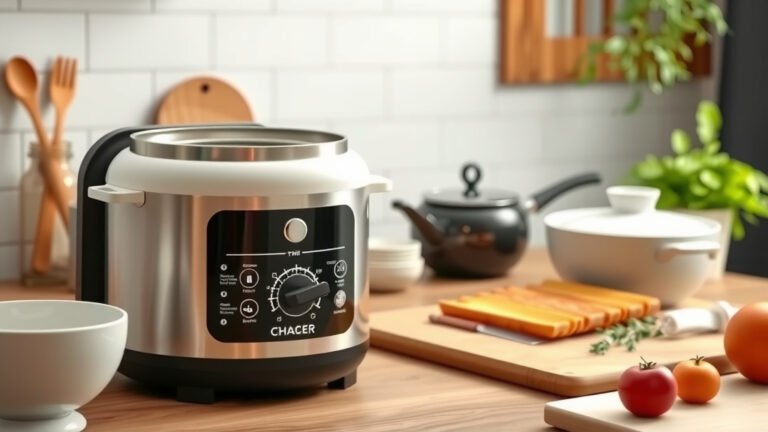
A rice cooker works by automatically sensing when rice is perfectly cooked. It uses a heating element and a thermostat to manage the cooking process. You simply add rice and water, and the cooker does the rest.
These handy kitchen appliances have become incredibly popular for good reason. They take the guesswork out of cooking rice, ensuring a fluffy, consistent result every time. Many modern cookers also offer settings for other grains and even steaming.
- Rice cookers use a heating element and a thermostat.
- They detect when the rice is done cooking.
- This ensures perfectly cooked rice without watching.
- Many models have extra features for other foods.
Let’s walk through exactly how this kitchen helper achieves rice perfection, step by step.
How Your Rice Cooker Actually Works
You’ve probably marveled at how your rice cooker can turn simple grains and water into perfectly fluffy rice. It seems like magic, right? The truth is, it’s a clever blend of science and smart design. Your rice cooker relies on a few key components working in harmony. It’s designed to be incredibly foolproof. Let’s break down the magic behind this kitchen favorite.
The Heart of the Operation: Heating and Sensing
At its core, a rice cooker is a controlled heating device. It has a powerful heating element at the bottom. This is what actually cooks your rice. But what makes it a “cooker” and not just a fancy pot? It’s the built-in sensor that knows when the cooking is finished.
Understanding the Heating Element
The heating element is typically a metal plate with electrical coils. When you plug in the cooker and select a setting, electricity flows to this element. It gets very hot, very quickly. This heat is transferred directly to the inner pot where your rice and water are. Think of it like a powerful electric stove burner, but enclosed and dedicated to one job.
The Magic Thermostat and Sensor
This is where the real intelligence lies. Most basic rice cookers use a simple yet effective thermostat. This thermostat has a spring-loaded mechanism with a magnetic ball. When the cooker starts, the heating element heats up. The water in the pot boils at a consistent temperature, around 212°F (100°C). As long as there’s water, the temperature can’t get much higher than that.
The thermostat is designed to stay in the “cook” position as long as the temperature is at or below the boiling point of water. It’s the presence of water that keeps things from getting too hot. Once all the water is absorbed by the rice or has evaporated, the temperature inside the pot starts to rise rapidly. This sudden jump in temperature is the signal.
When the temperature exceeds the boiling point, it triggers the thermostat. The heat causes a bimetallic strip (two different metals bonded together) to bend. This bending action pushes a lever, which releases the magnetic ball. The ball pops out, and this physical movement trips the switch, turning off the heating element. It’s a remarkably simple and reliable system that has been used for decades.
The Cooking Cycle: From Water to Rice
So, you’ve added your rice and water. You press the button. What happens next? The rice cooker gets to work, following a specific cycle to achieve that perfect texture.
Phase 1: Boiling and Absorption
The heating element kicks in, bringing the water to a boil. The rice grains begin to absorb this hot water. They start to soften and swell. The lid is designed to trap steam inside the pot. This steam is crucial. It helps to cook the rice evenly from all sides and prevents the water from evaporating too quickly. Some moisture will escape as steam, which is normal.
Phase 2: The “Keep Warm” Transition
As we discussed, when the water is gone, the temperature spikes. This is the cue for the thermostat to switch the cooker to its “Keep Warm” mode. You’ll often hear a click, and a light will change from “Cook” to “Warm.” The heating element might turn on for very short bursts to maintain a safe temperature, but it’s no longer actively cooking. This prevents the rice from drying out or burning.
Beyond Basic: Advanced Rice Cooker Features
Modern rice cookers offer much more than just a simple on/off switch for rice. You’ll find a variety of settings designed to make your life even easier and expand your culinary horizons.
Different Rice Types, Different Settings
Many cookers have specific buttons for different types of rice. These aren’t just for show!
- White Rice: The standard setting, optimized for common white rice varieties.
- Brown Rice: This setting typically uses a longer cooking time and sometimes a slightly different temperature profile. Brown rice requires more water and time to soften.
- Sushi Rice: Often results in slightly firmer, stickier rice, perfect for rolling.
- Quick Cook: A faster cycle, though sometimes at the expense of ultimate texture.
These specialized settings adjust the cooking time and temperature patterns. They ensure you get the best results for each grain type. It’s about matching the cooking process to the rice’s specific needs for water absorption and starch gelatinization.
Steaming and Other Grains
Did you know many rice cookers can do more than just rice? A common feature is a steaming basket. You place this above the rice as it cooks. It uses the steam generated from the boiling water to cook vegetables, fish, or dumplings. It’s a fantastic way to make a complete meal in one pot!
Some advanced models even have settings for quinoa, oatmeal, or slow cooking. It’s like having a multi-functional kitchen appliance.
Understanding Your Rice Cooker’s Inner Workings: A Quick Recap
Let’s quickly summarize the journey your rice takes:
- Water and Rice Added: You provide the ingredients.
- Heating Begins: The element brings water to a boil.
- Absorption and Steaming: Rice cooks and absorbs water; steam cooks evenly.
- Water Depletion: All liquid is absorbed or evaporated.
- Temperature Spike: The internal temperature rises rapidly.
- Thermostat Triggered: The sensor detects the spike and switches modes.
- Keep Warm Engaged: The cooker shifts to maintain temperature.
- Perfect Rice Ready: You open the lid to fluffy, delicious rice.
Troubleshooting Common Rice Cooker Quirks
Even the best appliances can sometimes have off days. Here are a few things to check if your rice isn’t turning out right:
Rice is too wet or mushy: You might have used too much water, or the lid wasn’t sealed properly, letting too much steam escape too early. Double-check your measurements!
Rice is too dry or burnt: This could mean not enough water was used, or the thermostat sensor might be dirty. Give the sensor a gentle wipe down. Sometimes, a slightly older cooker’s thermostat can be less precise.
Cooker won’t switch to “Keep Warm”: Ensure the inner pot is clean and seated correctly. A small obstruction can sometimes prevent the thermostat from working accurately.
Most issues are simple fixes. It’s often about the right ratio of rice to water or ensuring the cooker’s parts are clean and functioning as they should.
Conclusion
You’ve seen how your rice cooker transforms simple ingredients into a perfect meal. It’s all thanks to its smart heating element and a clever thermostat. This system reliably detects when your rice is perfectly cooked, taking the guesswork out for you. Whether you’re cooking white rice, brown rice, or even steaming veggies, your rice cooker is a versatile kitchen ally. Now that you understand its inner workings, you can feel even more confident using it. Why not try cooking a new type of grain this week?
Frequently Asked Questions
How do I clean the temperature sensor in my rice cooker?
You can usually clean the temperature sensor by gently wiping it with a damp cloth. Ensure the cooker is unplugged and completely cool first. A clean sensor helps ensure your rice cooker accurately detects when cooking is finished.
Can I use any pot inside my rice cooker?
No, it’s best to use only the inner pot that came with your rice cooker. These pots are designed to work perfectly with the heating element and thermostat. Using a different pot could interfere with the cooking process or even damage the cooker.
What does the “Keep Warm” light mean on my rice cooker?
The “Keep Warm” light indicates that the rice cooker has finished cooking and is now maintaining the rice at a safe, warm temperature. It prevents the rice from getting cold without overcooking or drying it out.
Why does my rice cooker sometimes make a clicking sound?
That clicking sound is usually the thermostat switching modes. It typically happens when the water has been absorbed and the temperature rises, signaling the cooker to move from “Cook” to “Keep Warm.” It’s a normal part of the process.
Can a rice cooker cook rice that’s too sticky or too dry?
Yes, the amount of water you use is key. Too much water can result in sticky or mushy rice, while too little can make it dry or burnt. Always follow the measurement lines inside the pot or your recipe’s instructions for the best results.