What is a Crock Pot and How Does it Work
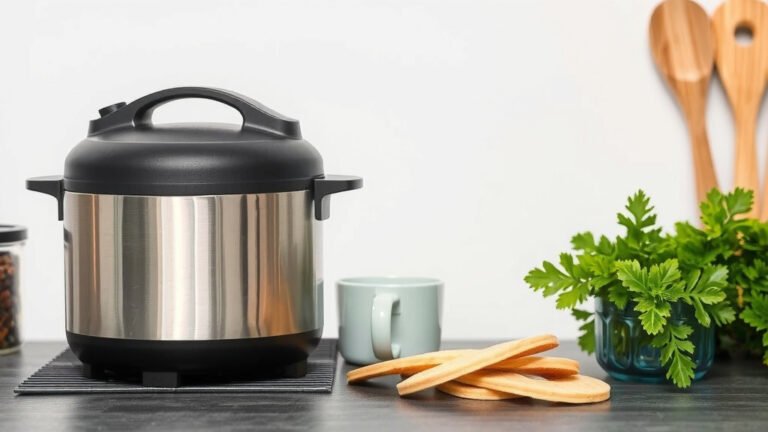
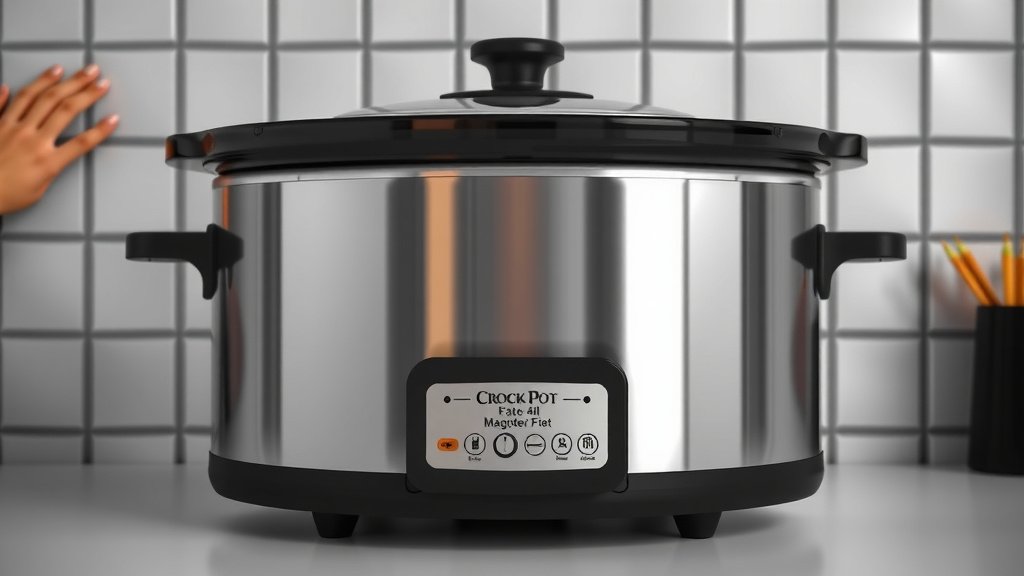
A crock pot, often called a slow cooker, is an electric countertop appliance used for cooking food at a low temperature over a long period. It typically consists of a lidded ceramic or porcelain pot that sits inside a heating element base, making it perfect for tenderizing meats and melding flavors without constant attention. You can use it to prepare delicious, hands-off meals.
Many home cooks rely on their crock pot for busy weeknights. It’s a fantastic tool for soups, stews, roasts, and even desserts. Its simple operation means you can often set it and forget it, freeing up your time for other tasks. Research shows that slow cooking can also enhance the nutritional value of certain foods by preserving more vitamins.
- A crock pot is a slow cooker, an electric appliance.
- It cooks food low and slow for tender results.
- Great for busy people and easy meal prep.
- Perfect for soups, stews, and roasts.
- Requires minimal hands-on cooking time.
Let’s dive into what makes a crock pot so convenient and how you can get the most out of yours. We’ll cover the basics and share some tips.
Understanding Your Crock Pot Kitchen Companion
So, what exactly is a crock pot and why has it earned a permanent spot on so many kitchen counters? Essentially, it’s a kitchen appliance designed for slow and steady cooking. This method is perfect for making tough cuts of meat incredibly tender and for allowing flavors to really meld together.
Think of it as your kitchen’s patient chef. While you’re busy with life – work, errands, or just relaxing – your crock pot is quietly doing its thing, simmering a delicious meal to perfection. It’s incredibly forgiving, making it a favorite for both novice cooks and seasoned home chefs looking for convenience. You can often throw ingredients in, turn it on, and walk away for hours.
How Does a Crock Pot Work Its Magic?
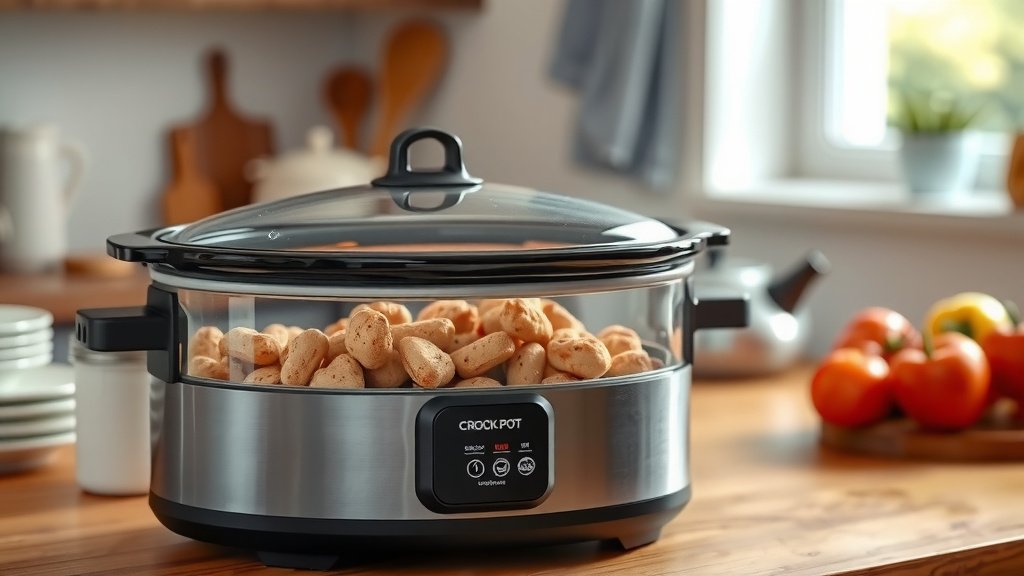
The magic of a crock pot lies in its simple yet effective design. It typically has three main parts:
- The Base: This is the electric heating element. It surrounds the insert pot and provides the gentle, consistent heat needed for slow cooking.
- The Insert Pot (Crock): This is usually made of ceramic or porcelain. It’s designed to absorb and distribute heat evenly, creating a perfect environment for food to cook slowly. Some models have inserts made of stoneware.
- The Lid: This traps moisture and heat inside, creating a steamy cooking environment that keeps food moist and tender. Glass lids are common, allowing you to peek at your meal without lifting the lid and losing heat.
Together, these components cook food at temperatures generally between 170°F (77°C) on the ‘Low’ setting and 280°F (138°C) on the ‘High’ setting. This low-and-slow approach is key to tenderizing meats and developing deep flavors without drying out your dish. Many experts note that this gentle cooking process can preserve more nutrients compared to high-heat cooking methods (NIH). It’s like a spa day for your ingredients!
The Benefits of Using a Slow Cooker
You might be wondering if a crock pot is really worth the counter space. We found that the advantages are numerous, especially for busy households. Let’s break down why this appliance is so loved.
Convenience is King
The number one reason people adore their crock pots is the sheer convenience they offer. You can prep your ingredients in the morning, turn on the cooker, and come home to a fully cooked, aromatic meal. This “set it and forget it” capability is a lifesaver on busy days. It means less time hovering over the stove and more time enjoying your evening.
Tenderizing Tougher Cuts
Have you ever bought a less expensive cut of meat and wished it was more tender? A crock pot is your secret weapon! The long, slow cooking process breaks down the tough connective tissues in meats like chuck roast, pork shoulder, or brisket. This transforms them into fork-tender, succulent dishes that would cost much more if you bought them pre-cooked. This is a fantastic way to save money on groceries while still enjoying delicious, hearty meals.
Flavor Development
When food cooks slowly, flavors have time to mingle and deepen. Ingredients like onions, garlic, herbs, and spices release their essence gradually. This allows the dish to develop a richer, more complex flavor profile than quick cooking methods. Soups and stews, in particular, benefit immensely from this process, tasting like they’ve been simmering for hours (even if they haven’t!).
Energy Efficiency
Compared to a full-sized oven, crock pots are surprisingly energy-efficient. They use significantly less electricity to cook meals over several hours. Research suggests that using a slow cooker can be more energy-efficient than other cooking methods for certain types of dishes. This is good for your wallet and potentially for the environment. It’s a win-win!
Getting Started with Your Crock Pot: The Basics
If you’re new to slow cooking, the thought of using a crock pot might seem a bit daunting. But don’t worry, it’s incredibly straightforward. We’ve outlined the essential steps to get you cooking.
Choosing the Right Size
Crock pots come in various sizes, typically ranging from 1.5 quarts to 7 quarts or more. Selecting the right size depends on how many people you usually cook for. A 3-4 quart size is often good for two people, while a 6-7 quart model is ideal for families or for making larger batches to freeze.
Preparation and Loading
Most recipes will call for you to chop vegetables, sear meats (though not always necessary for slow cooking), and gather your spices. When loading your crock pot, it’s generally recommended to fill it between half to two-thirds full. Overfilling can lead to uneven cooking, and if it’s too empty, your food might cook too quickly or dry out.
Selecting the Cook Setting
You’ll typically find ‘Low’ and ‘High’ settings, and sometimes a ‘Warm’ setting. As a general rule, ‘Low’ cooks food more slowly and is often preferred for tougher cuts of meat or dishes that need to cook for 8-10 hours. ‘High’ cooks food more quickly, usually in about 4-6 hours, and is good for recipes that cook faster or if you’re short on time. The ‘Warm’ setting is for keeping food at a safe temperature after it’s finished cooking, like during a party.
We found that many recipes provide approximate cooking times for both settings. Always refer to your specific recipe for guidance. If a recipe says “cook on low for 8 hours or high for 4 hours,” you can usually substitute one for the other, just adjust your timing accordingly.
The Importance of the Lid
Resist the urge to peek too often! Every time you lift the lid, you let out a significant amount of heat. For every minute the lid is off, your crock pot can lose 15-20 minutes of cooking time. A glass lid allows you to check on your food without sacrificing that precious heat. Keep lid-lifting to a minimum, especially during the first couple of hours of cooking.
What Can You Cook in a Crock Pot?
The versatility of a crock pot is truly impressive. While stews and roasts are classics, you can venture much further. Here are just a few ideas:
- Soups and Stews: The obvious, but for good reason. Perfect for chili, chicken noodle soup, beef stew, and lentil soup.
- Roasts: Pot roast, pulled pork, and shredded chicken are incredibly easy and always a hit.
- Casseroles: Many baked pasta dishes and casseroles can be adapted for slow cooking.
- Chili: From classic beef chili to vegetarian options, it’s a go-to.
- Soups: Broth-based or creamy, your crock pot handles them all.
- Desserts: Yes, you can even make desserts! Think cobblers, cheesecakes, and baked apples.
One study even found that slow cooking certain vegetables can help retain more of their water-soluble vitamins compared to boiling (Food Science and Technology Abstracts). So, your healthy meals can benefit too!
A Quick Guide to Crock Pot Sizes
Choosing the right size is important for successful cooking. Here’s a general guideline we’ve found helpful:
| Crock Pot Size (Quarts) | Ideal For | Example Dishes |
|---|---|---|
| 1.5 – 2 quarts | 1-2 people, dips, appetizers, side dishes | Spinach artichoke dip, small batches of mulled wine |
| 3 – 4 quarts | 2-3 people, small roasts, soups, chilis | Pot roast for a small family, a batch of chili |
| 5 – 6 quarts | 4-6 people, larger roasts, stews, full meals | A whole chicken, large batches of pulled pork |
| 7+ quarts | 6+ people, large families, entertaining, meal prepping | Large holiday roasts, making meals to freeze |
Tips for Crock Pot Success
To help you get the most out of your slow cooker, we’ve gathered a few expert-approved tips:
- Sear Meats First (Optional but Recommended): While many recipes don’t require it, searing meats like beef or pork before adding them to the crock pot can add a wonderful depth of flavor and improve texture.
- Thicken Sauces Properly: Slow-cooked liquids can reduce less than stovetop cooking. If your sauce is too thin at the end, you can thicken it by making a slurry of cornstarch and water, or by simmering uncovered for the last 30 minutes.
- Add Delicate Ingredients Later: Things like fresh herbs, dairy (like cream or sour cream), and pasta might break down too much if cooked for the entire duration. Add these in the last 30-60 minutes of cooking.
- Don’t Overcrowd the Pot: As mentioned, filling it too full can lead to uneven cooking.
Ready to give it a try? You’ll find that once you start using your crock pot, it quickly becomes an indispensable tool in your kitchen. It’s all about making delicious food with minimal fuss, and who doesn’t want that?
Conclusion
You now have a clear understanding of what a crock pot is and how it can simplify your cooking. We’ve seen how its low-and-slow method tenderizes meats and deepens flavors, making mealtime effortless. Its convenience, energy efficiency, and versatility mean you can create everything from hearty stews to delicious desserts with minimal effort. Ready to experience the ease yourself? Start by picking a simple soup or stew recipe and let your crock pot work its magic.
Frequently Asked Questions
Can I use a crock pot for quick weeknight meals?
Yes, while crock pots are known for slow cooking, you can plan ahead. Prep ingredients in the morning, and your meal will be ready when you get home. For quicker results, consider recipes designed for the ‘High’ setting, which typically cook in 4-6 hours.
Is it safe to leave my crock pot on all day?
Yes, crock pots are designed for long cooking times and are safe to leave unattended while you’re out or asleep. They maintain a consistent low temperature. Always ensure your crock pot is placed on a stable, heat-resistant surface away from flammable materials.
What’s the difference between a crock pot and a slow cooker?
The terms “crock pot” and “slow cooker” are often used interchangeably. Crock Pot is actually a brand name that became popular, much like “Kleenex” for tissues. Both refer to the same type of electric appliance that cooks food at low temperatures over extended periods.
Do I need to sear meat before putting it in a crock pot?
Searing meat is often optional but highly recommended for best results. It adds a richer flavor and improves the texture of your dish. However, many recipes are designed to work without searing, especially if you’re prioritizing pure convenience.
Can I cook frozen meat in my crock pot?
It’s generally not recommended to cook frozen meat in a crock pot. Food safety guidelines suggest that meat should thaw properly before cooking to avoid spending too much time in the “danger zone” (40°F to 140°F) where bacteria can multiply rapidly. Thaw meat in the refrigerator first.