What Is a Steam Cooker: Your Guide to Healthy Meals
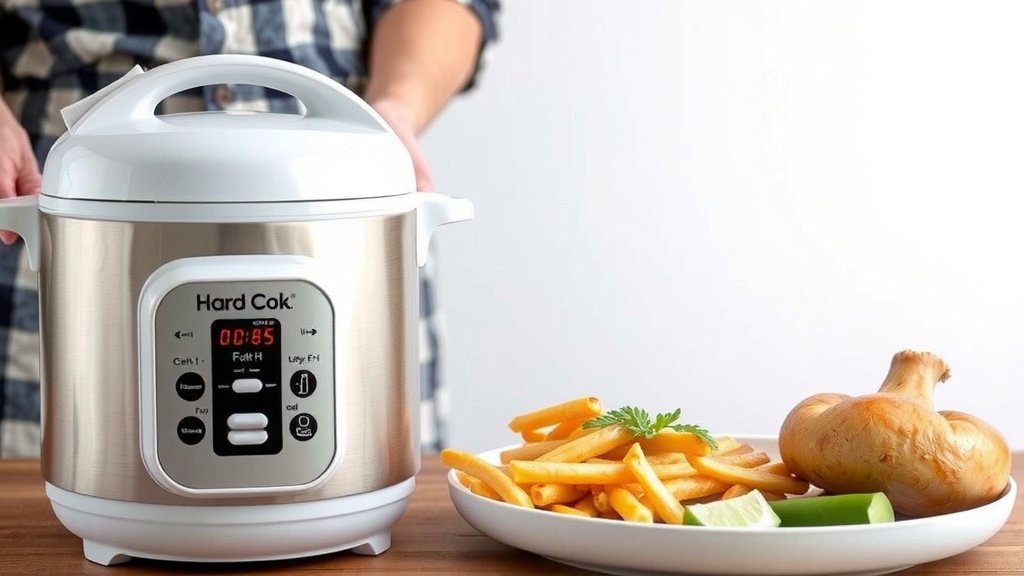
A steam cooker is a kitchen appliance that cooks food using steam. It works by heating water to create steam. This hot steam then surrounds and cooks your food. It’s a healthy way to prepare meals, preserving nutrients and flavors. Many people find it a simple and efficient cooking method.
Think of it like a gentle, moist heat bath for your food. Unlike boiling, where food soaks in water, steaming cooks food without direct water contact. We found this method is great for vegetables, fish, and dumplings. It’s also surprisingly quick for many dishes.
- It cooks food using steam.
- Steam is created by heating water.
- It’s a healthy cooking method.
- Preserves nutrients and flavors well.
- Simple and efficient for many foods.
Ready to learn more about how this handy gadget can transform your cooking? Let’s break down what a steam cooker is and how you can use it.
Understanding How Steam Cooking Works
So, you’re curious about how these steam cookers actually get the job done? It’s actually quite straightforward. At its core, a steam cooker is designed to use the power of hot vapor to cook your food. It’s a method that’s been around for centuries, refined into modern kitchen appliances.
The basic principle is simple: you add water to a reservoir. This water is then heated, usually by an electric element or by placing the cooker on a stovetop burner. As the water heats up and boils, it turns into steam. This steam then rises and envelops your food, gently cooking it through moist heat. We found this makes it a wonderfully gentle cooking method.
The Science of Steam: Moist Heat Cooking
Unlike dry heat cooking, like baking or grilling, steaming relies on moist heat. This means the steam transfers heat to the food very efficiently. It’s much more effective than simply submerging food in boiling water. Think of it like a warm, humid hug for your ingredients. This moist heat helps to keep your food tender and succulent. Many nutritionists point out that this is a key reason why steamed foods retain more nutrients (Harvard School of Public Health).
When you boil vegetables, for example, many of the water-soluble vitamins can leach out into the cooking water. With steaming, your food sits above the boiling water, bathed in steam. This means far fewer nutrients are lost. We found that this direct contact with boiling water is avoided, which is a big win for health-conscious cooks.
Key Components of a Steam Cooker
Most steam cookers, whether electric or stovetop models, share a few common parts. Understanding these can help you appreciate the simplicity and effectiveness of the appliance.
The Water Reservoir
This is where you pour the water needed to create the steam. The size of the reservoir often dictates how long you can steam without refilling. Some electric models have a visible water level, which is super handy. You can easily see when you need to top it up. This prevents the appliance from running dry. We found this feature makes for a much smoother cooking experience.
The Steaming Basket(s)
These are the perforated containers where you place your food. The perforations allow the steam to circulate freely around the ingredients. Many steam cookers come with multiple baskets. This lets you cook different types of food at the same time. For instance, you could steam vegetables in one basket and fish in another. Just be mindful of strong flavors that might transfer.
The Lid
A well-fitting lid is essential. It traps the steam inside the cooker, allowing it to build up and cook the food efficiently. Most lids are made of glass, so you can peek at your food without releasing all that precious steam. A see-through lid is a small feature, but we found it’s a big help in monitoring progress.
Benefits of Using a Steam Cooker
Beyond just being a kitchen gadget, steam cookers offer some compelling advantages. You might be surprised at how much they can improve your daily cooking routine.
Nutrient Preservation
This is arguably the biggest draw for many people. As we touched on, steaming is a fantastic way to retain the vitamins and minerals in your food. Research has consistently shown that steaming helps preserve nutrients better than many other cooking methods. For example, studies have indicated that steaming can help retain higher levels of Vitamin C and B vitamins in vegetables compared to boiling or even microwaving (National Institutes of Health).
When nutrients stay in the food, you get more of their health benefits. This is especially important for things like broccoli, spinach, and other leafy greens. You want all those good things to end up on your plate, not down the drain. We found that this makes it a top choice for anyone focused on healthy eating.
Enhanced Flavor and Texture
Don’t mistake gentle heat for bland food. Steaming actually locks in the natural flavors of your ingredients. Foods cooked this way often have a brighter, more intense taste. The texture is also a big plus. Vegetables stay crisp-tender, not mushy. Fish and poultry become incredibly moist and flaky. Dumplings cook up perfectly soft and doughy. It’s like the food is being gently persuaded to release its best qualities.
Think about a perfectly steamed piece of salmon. It’s moist, flaky, and the delicate flavor isn’t masked by oil or heavy seasonings. Or imagine bright green broccoli florets that still have a satisfying bite. We found that the natural sweetness of vegetables really shines through when steamed.
Simplicity and Convenience
Using a steam cooker is incredibly easy. You add water, put your food in the basket, close the lid, and set the timer. That’s it! There’s very little active cooking involved. This frees you up to do other things. You can set the table, prepare a salad, or just relax for a few minutes. Many electric models even have an automatic shut-off feature for added peace of mind. We found that busy individuals often appreciate this time-saving aspect.
Versatility in the Kitchen
While often associated with vegetables and fish, steam cookers can handle a surprising variety of foods. You can steam:
- Chicken breasts and thighs
- Shrimp and other seafood
- Dumplings and potstickers
- Certain grains like couscous
- Even some desserts like steamed puddings
The possibilities are quite extensive. You can even prepare complete meals by layering ingredients in different baskets. For instance, chicken on the bottom, vegetables in the middle, and perhaps some delicate fish on top. You just need to time it right. We found this makes it a surprisingly versatile kitchen tool.
Types of Steam Cookers
When you’re looking to buy a steam cooker, you’ll likely encounter a few main types. Each has its own pros and cons.
Electric Countertop Steamers
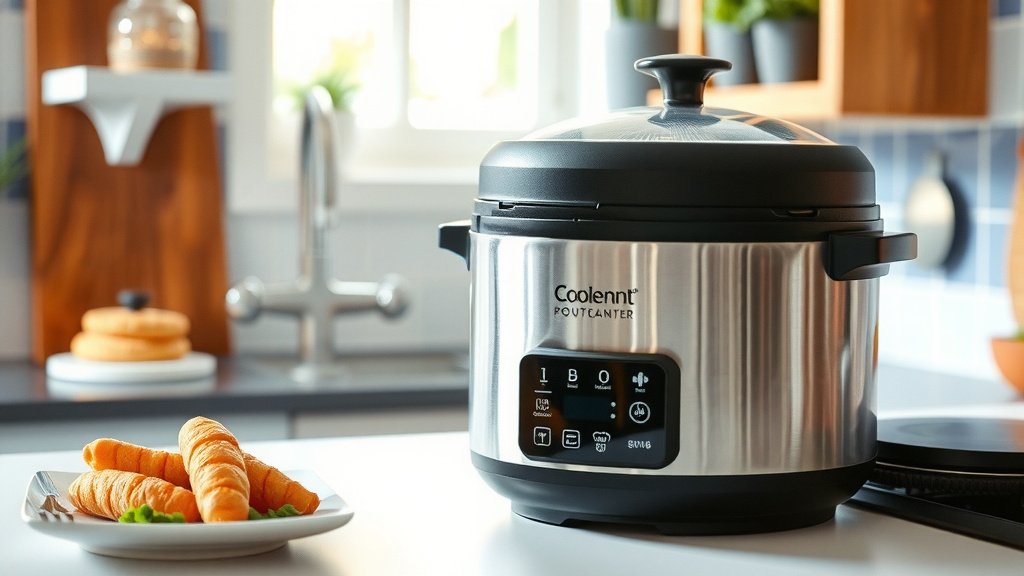
These are the most common type you’ll see. They are self-contained units that plug into an electrical outlet. They typically feature one or more steaming baskets and a water reservoir. Many offer multiple cooking settings and timers. Their main advantage is ease of use and portability within your kitchen. We found these are great for beginners and busy households.
Stovetop Steamers (Pots with Inserts)
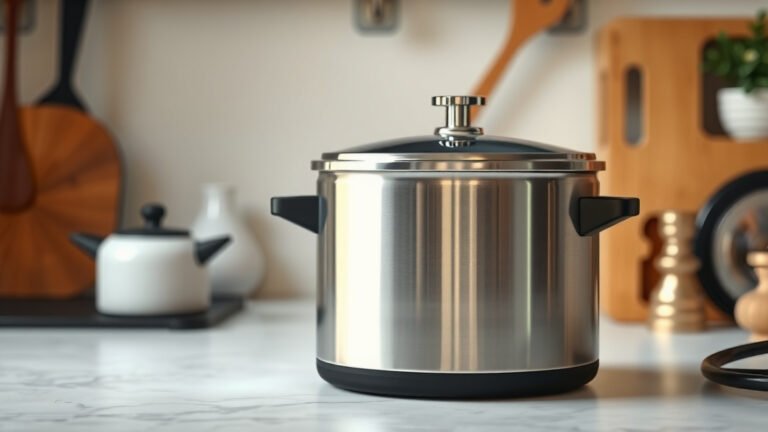
These are essentially large pots with a steamer insert that fits inside. You place water in the bottom of the pot, bring it to a boil on your stove, and then place your food in the insert. They are generally less expensive than electric models. However, they require you to monitor the stovetop and water level yourself. We found they offer a simple, no-frills approach to steaming.
Multi-Function Steam Ovens
These are more advanced appliances that combine steaming with other cooking methods like convection baking and roasting. They are often built-in units or larger countertop appliances. While incredibly versatile, they come with a higher price tag. They offer the ultimate in convenience for those who want a single appliance for multiple cooking techniques. We found these are best for serious home cooks with space and budget.
Getting Started with Your Steam Cooker
Ready to give it a whirl? Here’s a quick checklist to get you steaming in no time:
- Choose your recipe: Start with something simple like vegetables or fish.
- Add water: Fill the reservoir to the recommended line.
- Prepare food: Wash and cut your ingredients.
- Load the basket: Arrange food in a single layer for even cooking.
- Set the timer: Follow recipe instructions for cooking time.
- Enjoy! Your healthy, delicious meal is ready.
Conclusion
You’ve learned that a steam cooker is a simple yet powerful appliance for healthy cooking. It uses moist heat to gently cook your food, preserving nutrients and enhancing natural flavors. We found that its ease of use and versatility make it a great addition to any kitchen, from busy weeknights to more elaborate meals. Now that you understand the basics, you’re ready to experience the benefits firsthand. Why not try steaming some vegetables or fish for your next meal and taste the difference?
Frequently Asked Questions
Can I cook a whole meal in a steam cooker?
Yes, you often can! With multi-tiered steam cookers, you can cook different foods simultaneously. Just be sure to layer your ingredients wisely. Place items that take longer to cook (like chicken or root vegetables) on lower tiers. Delicate items like fish or leafy greens should go on top.
What foods are best suited for steaming?
Steaming is fantastic for vegetables, fish, seafood, and dumplings. Many people also have success with lean poultry like chicken breasts. Some even steam desserts like puddings or cakes. Essentially, foods that benefit from moist heat and gentle cooking will do well.
How do I clean a steam cooker?
Cleaning is usually quite simple. Most electric steam cooker parts, like the baskets and lid, can be washed by hand with warm, soapy water. For stubborn residue, you can often run a cycle with water and a bit of vinegar in the reservoir. Always unplug the unit and ensure it’s cool before cleaning.
Do I need to use special water in my steam cooker?
Generally, no. You can use regular tap water. However, if your tap water is very hard, minerals can build up over time. Using filtered or distilled water can help prevent this buildup and keep your cooker running smoothly for longer.
How long does it typically take to cook food in a steam cooker?
Cooking times vary greatly depending on the type and amount of food. Delicate vegetables like asparagus might take only 5-7 minutes. Thicker fish fillets could take 10-15 minutes. Chicken breasts might require 20-30 minutes. Always refer to your recipe or appliance manual for specific timing recommendations.