Multi Cooker Settings Explained for Effortless Cooking
Understanding your multi cooker settings is key to cooking delicious meals with ease. Multi cooker settings like pressure cook, slow cook, and sauté are designed to Our guide explains how a multi cooker works to help you understand its settings.handle a variety of cooking tasks efficiently. Knowing what each button does can transform your cooking experience from confusing to convenient.
These versatile appliances offer multiple cooking methods in one pot. From tenderizing meats with the pressure cook function to gently simmering stews with slow cook, your multi cooker can do it all. Many home cooks find these settings incredibly helpful for saving time and kitchen space, leading to more enjoyable meal preparation.
- Pressure Cook: Cooks food fast using steam pressure. Great for tough cuts of meat and beans.
- Slow Cook: Simmers food for hours at a low temperature. Perfect for comforting stews and roasts.
- Sauté/Sear: Browns meats and vegetables before other cooking methods. Builds flavor layers.
- Yogurt: Ferments milk to make homemade yogurt.
- Keep Warm: Maintains food temperature after cooking is done.
Ready to demystify those buttons? We’ll walk you through each common multi cooker setting so you can start cooking with confidence and create amazing dishes every time.
Understanding Your Multi Cooker’s Functions
You’ve got this amazing appliance, and you’re ready to cook! But what do all those buttons really mean? Let’s break down the most common settings on your multi cooker. Understanding these functions is your ticket to effortless and delicious meals.
The Power of Pressure Cooking
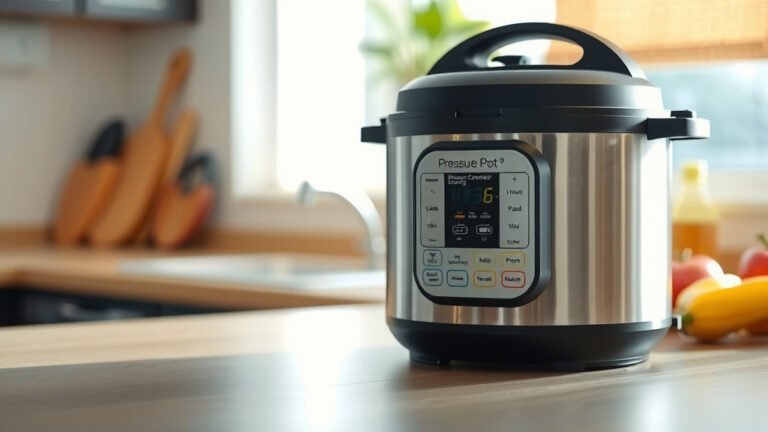
Pressure cooking is a true game-changer. It cooks food much faster than traditional methods. This happens because the sealed pot traps steam. That steam builds up pressure, raising the cooking temperature. Think fork-tender meats in under an hour!
How Pressure Cooking Works
When you select the “Pressure Cook” setting, the lid locks securely. The heating element brings liquid inside the pot to a boil. This creates steam. The steam has nowhere to go, so pressure builds. Recipes often suggest using a specific amount of liquid. Too little, and it might not build pressure. Too much, and your food could get watery (FDA).
Many experts recommend using the quick-release or natural-release method based on your recipe. Natural release involves letting the pressure drop on its own. This is great for meats. Quick release means opening the valve to let steam out. This is often better for vegetables. Always follow your appliance’s manual for safety tips.
What to Cook with Pressure Cook
This setting is perfect for foods that usually take a long time. Tough cuts of meat, like chuck roast or pork shoulder, become incredibly tender. Dried beans and lentils cook quickly without pre-soaking. Even grains like brown rice cook much faster. You’ll find it’s a great way to save time on weeknights.
The Gentle Art of Slow Cooking
Slow cooking is your go-to for comfort food. It uses low temperatures over a longer period. This gently cooks food until it’s tender and flavorful. It’s like a warm hug in a bowl. You can set it and forget it for hours.
Mastering the Slow Cooker Function
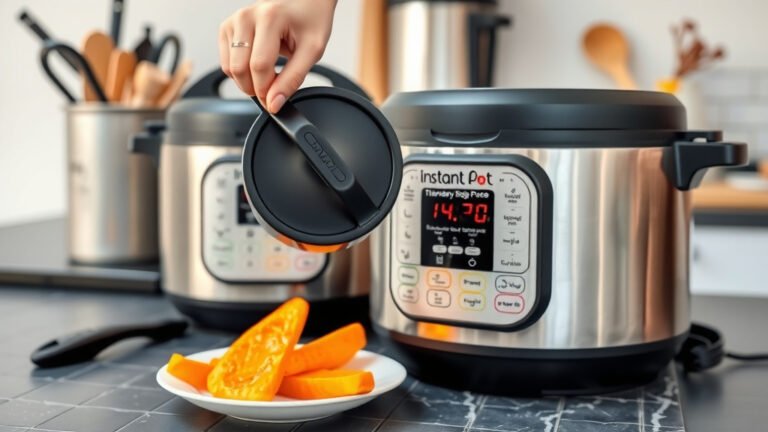
The “Slow Cook” setting mimics a traditional slow cooker. It maintains a consistent, low temperature. You usually have options for High or Low heat. Low heat is ideal for recipes that need 6-8 hours. High heat can get the job done in about half that time, around 3-4 hours.
This setting is wonderful for building deep flavors. The ingredients meld together beautifully. Many home cooks love to prep ingredients in the morning. Then they start the slow cooker before leaving for work. A delicious meal awaits you when you get home!
Recipes Suited for Slow Cook
Stews, chilis, pot roasts, and pulled pork are classic slow cooker dishes. You can also make shredded chicken for tacos or sandwiches. Even desserts like cobblers and cheesecakes can be made using this setting. It’s a versatile function for busy days.
Building Flavor with Sauté/Sear
Don’t skip this step! The “Sauté” or “Sear” function is critical for flavor development. Before you pressure cook or slow cook, browning your meats and vegetables adds incredible depth. This process is called the Maillard reaction.
Why Sautéing Matters
When you sear meats, you create delicious brown bits on the bottom of the pot. These bits are called “fond.” They are packed with flavor. Deglazing the pot with a liquid (like broth or wine) after searing lifts this fond. It then becomes part of your sauce or stew. This one step can transform an ordinary dish into something extraordinary (Cleveland Clinic).
Using the Sauté Function Effectively
To use this setting, add a bit of oil to the pot. Set it to “Sauté” or “Sear.” Let the pot heat up for a few minutes. Then add your ingredients in a single layer. Don’t overcrowd the pot, or your food will steam instead of brown. You might need to work in batches. Once browned, you can proceed to your next cooking step.
Specialty Functions for Your Culinary Adventures
Beyond the core settings, your multi cooker likely has other helpful modes. These can expand your cooking repertoire significantly.
Yogurt Maker Mode
Yes, you can make your own yogurt! The “Yogurt” function maintains a low, steady temperature perfect for incubating milk. This allows the beneficial bacteria to culture. Making yogurt at home can be more economical and healthier. You control the sugar and ingredients.
Keep Warm Feature
This is a lifesaver! Once your food is cooked, many multi cookers automatically switch to “Keep Warm.” This maintains a safe serving temperature without overcooking. It’s perfect if dinner guests are running late or if you want seconds later. You can usually turn this feature off manually if needed.
A Quick Checklist for Mastering Your Multi Cooker
Ready to put your knowledge to use? Try this quick checklist:
- Read your manual: It has specific tips for your model.
- Use the right liquid: Especially important for pressure cooking.
- Don’t overcrowd: Give ingredients space to cook properly.
- Sear for flavor: Use the Sauté function first whenever possible.
- Experiment safely: Always follow cooking times and pressure release instructions.
Conclusion
You’ve now demystified your multi cooker’s settings! From the speed of pressure cooking to the comfort of slow cooking and the flavor boost of sautéing, you have the tools to create amazing meals. Remember that specialty functions like yogurt making and keep warm add even more convenience. Don’t forget to consult your appliance’s manual for model-specific advice. Your journey to effortless and delicious cooking starts now, so go ahead and try a new recipe!
Frequently Asked Questions
Can I use my multi cooker for more than just pressure and slow cooking?
Absolutely! Many multi cookers come with a variety of specialty functions. These can include modes for making yogurt, steaming, cooking rice, and even baking. You can explore these extra settings to expand your cooking repertoire even further.
Is it safe to leave my multi cooker on the Keep Warm setting for a long time?
Yes, the Keep Warm setting is designed to maintain food at a safe serving temperature. It prevents overcooking while keeping your meal ready for a while. However, it’s always a good idea to check your appliance’s manual for recommended maximum Keep Warm times.
What’s the difference between “Sauté” and “Sear” on my multi cooker?
Often, these terms are used interchangeably on multi cookers. Both settings allow you to brown meats and soften vegetables at a high temperature before starting another cooking mode. They are excellent for developing deep flavors and creating a tasty fond at the bottom of the pot.
Do I need to add extra liquid when using the Slow Cook function?
Generally, no. The Slow Cook function operates at a lower temperature and longer time, meaning less liquid evaporates compared to pressure cooking. Most recipes are developed with the understanding that minimal liquid will be lost, so stick to the recipe’s liquid amounts.
What happens if my multi cooker doesn’t reach pressure?
If your multi cooker doesn’t reach pressure, first check that the lid is sealed correctly and the steam release valve is in the closed position. Ensure you’ve added the minimum required amount of liquid specified in your recipe or manual. Sometimes, a faulty seal or heating element can also be the cause.