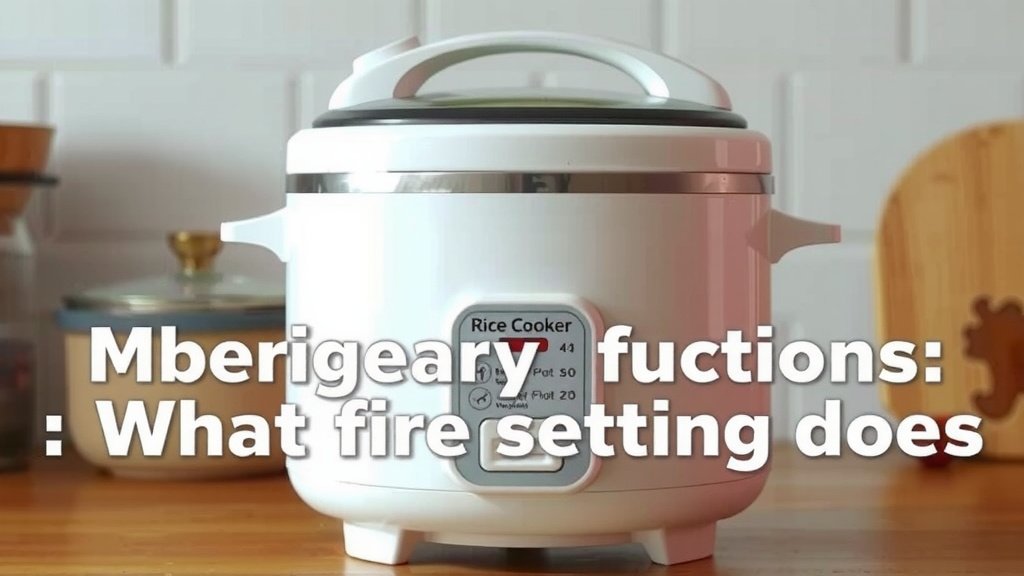
Rice Cooker Functions Explained: What Every Setting Does
Your rice cooker is more than just a pot for boiling rice. Many modern rice cookers come with a surprising number of special functions designed to make your cooking life easier. From steaming vegetables to baking cakes, these functions offer versatility beyond basic rice preparation, allowing you to prepare a wider range of dishes with minimal effort. Understanding these settings can truly transform how you use your appliance.
We found that most people only use the standard “white rice” setting. But exploring your rice cooker’s various modes can unlock its full potential. For instance, the “quick cook” setting is a lifesaver on busy nights. The “sushi rice” function creates perfectly sticky grains for your favorite rolls. Learning about these specific modes can help you achieve better results and expand your cooking repertoire significantly.
TL;DR:
- Rice cookers have many useful functions beyond just cooking white rice.
- Settings like “quick cook,” “sushi rice,” and “steam” offer great versatility.
- Understanding these modes can improve your cooking results.
- Many rice cookers can even bake cakes or cook oatmeal.
Ready to get the most out of your kitchen helper? Let’s dive into what all those buttons and settings on your rice cooker actually mean.
Demystifying Your Rice Cooker’s Many Settings
You might think your rice cooker is a one-trick pony, but you’d be surprised! Most modern rice cookers are packed with special modes. These settings go way beyond just basic white rice. They offer amazing versatility for your kitchen. Learning what these buttons mean can truly change how you cook.
Did you know that most people only use the standard “white rice” button? That’s a shame because there’s so much more to discover. Exploring your rice cooker’s functions can help you make better meals with less work. For example, the “quick cook” setting is a lifesaver on busy weeknights. The “sushi rice” function creates perfectly sticky grains for your favorite rolls. Understanding these specific modes can help you achieve better results and expand your cooking repertoire significantly.
The Core Functions: Rice and Beyond
Standard White Rice Setting
This is the classic. It’s designed for standard long-grain or medium-grain white rice. Your rice cooker carefully controls temperature and time. This ensures your rice comes out fluffy and perfectly cooked. It handles the water-to-rice ratio for you. It’s your go-to for everyday meals.
Brown Rice Setting
Brown rice needs a different approach. It has a tougher bran layer. This means it needs more water and a longer cooking time. The brown rice setting accounts for this. It uses lower heat for a longer period. This allows the rice to absorb moisture fully. This results in tender, cooked brown rice. It’s great for adding fiber to your diet.
Quick Cook / Express Rice
Short on time? This setting is your best friend. It speeds up the cooking process. It often uses a slightly higher temperature. It also cooks for a shorter duration. You get edible rice faster. However, the texture might be slightly less perfect than the standard setting. We found it’s best for when convenience is key. It’s not ideal for delicate rice types.
Sushi Rice Setting
Love sushi? This setting is for you. Sushi rice needs to be slightly sticky. This allows it to hold its shape. The sushi rice function cooks the rice to achieve this specific texture. It often involves a precise steaming phase at the end. This helps develop that desirable stickiness. Your homemade sushi rolls will thank you.
Advanced Cooking Modes for More Dishes
Steam Function
Many rice cookers come with a steamer basket. The steam function uses boiling water. It creates steam to cook other foods. You can steam vegetables, fish, or dumplings. This is a healthy way to cook. It preserves nutrients better than boiling. It’s a fantastic way to add a side dish. It requires placing food in the steamer basket above the water.
Porridge / Congee Setting
This mode is perfect for breakfast lovers. It’s designed for making porridge or congee. These dishes often require a very slow, gentle simmer. This setting maintains a consistent, low temperature. It cooks grains like oats or rice for a long time. This breaks them down. It creates a smooth, creamy texture. It prevents burning at the bottom.
Soup / Stew Function
Some rice cookers can handle more. This setting is for simmering soups or stews. It keeps the contents at a gentle simmer for hours. This allows flavors to meld beautifully. It’s like a mini slow cooker. You can add your ingredients and let it do its magic. This is great for hearty meals.
Specialty and Convenience Features
Cake Function
Yes, you read that right – cake! This setting is designed to bake cakes. It uses a lower, more consistent heat. It also often involves a longer cooking time. This allows the cake to rise and cook through evenly. You might be surprised by the results. It’s a fun way to use your rice cooker for dessert.
Keep Warm Function
This is a lifesaver for busy households. Once your rice is cooked, the cooker automatically switches to ‘Keep Warm‘. It maintains the rice at a safe serving temperature. It prevents it from getting cold. Most cookers keep rice warm for several hours. Some advanced models can keep it warm for up to 24 hours. We found this is incredibly useful for meal prepping.
Timer / Delay Start Function
Want rice ready when you get home? Use the timer! This allows you to set a delayed start time. You add your rice and water earlier. Then, you set the timer. Your rice will be perfectly cooked at your desired time. It’s a fantastic convenience. It means you don’t have to wait for fresh rice.
Reheat Function
Got leftover rice? Don’t microwave it! The reheat function is designed for this. It gently warms the rice. It avoids drying it out like a microwave can. You get fluffy, fresh-tasting rice again. It’s a small feature but makes a big difference.
Here’s a quick checklist to help you get started:- Review your rice cooker’s manual for its specific settings.
- Try the ‘Steam’ function with your favorite vegetables tonight.
- Experiment with the ‘Brown Rice’ setting for a healthier meal.
- Use the ‘Delay Start’ for perfectly timed dinners.
- Don’t be afraid to try the ‘Cake’ function for a fun dessert.
- Always clean your rice cooker after each use.
Conclusion
Your rice cooker is far more capable than you might have realized. From the simple perfect grain of white rice to complex dishes like stews and even cakes, its various functions offer incredible versatility. You’ve learned how settings like ‘Brown Rice,’ ‘Steam,’ and ‘Porridge’ can enhance your meals and save you time. Don’t let these features go unused! Take a moment to look at your rice cooker’s manual and try out one new function this week. You might be surprised at how much more delicious and convenient your cooking can become.
Frequently Asked Questions
Can I use the ‘Quick Cook’ setting for all types of rice?
While the ‘Quick Cook’ setting is great for convenience, it’s often best for standard white rice. Some grains, like brown rice or basmati, might not cook as evenly or achieve the ideal texture with this faster method. You’ll get the best results by using the specific setting for your rice type whenever possible.
What’s the difference between the ‘Soup’ and ‘Porridge’ settings?
The ‘Soup’ setting typically maintains a gentle simmer for a longer period, ideal for slow-cooking ingredients and melding flavors. The ‘Porridge’ or ‘Congee’ setting uses a lower, more consistent heat to slowly cook grains like oats or rice until they break down, creating a smooth, creamy consistency without burning the bottom.
Is the ‘Cake’ function really effective?
Many users are pleasantly surprised by the ‘Cake’ function! It works by providing a more stable, lower temperature for baking. This allows cakes to rise and cook through evenly without the harsh direct heat of a conventional oven. It’s a fun way to make a simple dessert.
How does the ‘Reheat’ function differ from using a microwave?
The ‘Reheat’ function gently warms leftover rice using steam and controlled heat, much like the cooking process. Microwaves can sometimes overcook rice, making it dry and hard. Your rice cooker’s reheat function aims to bring your leftovers back to a fluffy, fresh-like state.
My rice cooker has a ‘Steam’ function, but no basket. What should I do?
If your rice cooker has a ‘Steam’ function but didn’t come with a basket, you can often purchase one separately from the manufacturer or a general kitchenware store. Ensure the basket is designed to fit your specific rice cooker model and sits securely above the water level.