
Quick Pressure Release Explained: What It Is and How It Works
Quick pressure release is a technique used to safely vent built-up steam or gas from a cooking vessel, like a pressure cooker. It’s a key part of safely ending the cooking process. This method helps lower the internal pressure quickly so you can open the lid.
Understanding quick pressure release is essential for anyone using a pressure cooker. It’s different from natural release, where you just let the cooker cool down on its own. Knowing when and how to use this method helps prevent accidents and ensures your food is ready when you are. Many safety guides highlight its importance.
- Quick pressure release means letting steam out fast.
- It’s used to safely end pressure cooking.
- This method differs from natural pressure release.
- Using it correctly prevents burns and ensures quick access to food.
Let’s dive into exactly what quick pressure release is and why it matters for your cooking adventures.
Understanding the Quick Pressure Release Method
So, what exactly is quick pressure release? It’s a cooking method where you rapidly vent the steam from your pressure cooker. This happens right after your food has finished cooking. The goal is to reduce the internal pressure inside the pot as fast as possible. This lets you safely open the lid very soon after cooking. Think of it like quickly deflating a balloon.
It’s one of two main ways to end your pressure cooking cycle. The other is natural pressure release. This technique is really useful when you need your food ready in a hurry. It’s also a key step for certain types of recipes. Understanding when and how to use it is essential for safety and delicious results.
How Quick Pressure Release Works
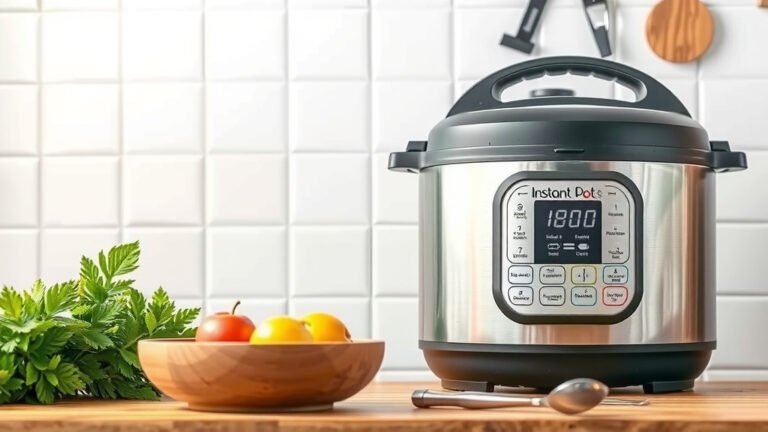
When you cook under pressure, steam builds up inside the sealed pot. This steam raises the temperature and cooks your food faster. Once cooking is done, that trapped steam is still under high pressure. Quick pressure release is the method of opening the steam release valve to let all that built-up steam escape. You’ll see and hear a lot of steam escaping. It’s quite a show!
This rapid venting causes the pressure inside the pot to drop quickly. Most electric pressure cookers have a float valve or pin. This pin drops down once the pressure is low enough. That’s your signal that it’s safe to open the lid. It’s a very visible sign that the pressure has been released.
The Mechanics of Venting
Most pressure cookers have a steam release valve. This is usually a knob or a button you can manipulate. For quick release, you will manually turn or push this valve. This opens a path for the steam to escape. Always use a long utensil to do this. Your hands should be nowhere near the escaping steam. We want to avoid any accidental burns.
The steam will shoot upwards from the valve. Make sure your pressure cooker is not placed under low cabinets or near anything that could be damaged by heat and moisture. It’s a good idea to have a pot or bowl nearby to catch any drips from the valve. Some newer models have a steam diverter. This directs the steam away from you.
When to Use Quick Pressure Release
Quick pressure release is best for foods that don’t need to continue cooking after the pressure is released. It’s also ideal for foods that can become mushy if left in hot liquid too long. Think about vegetables like peas, broccoli, or green beans. They cook very quickly. If you let them sit in hot liquid, they can turn to mush. Quick release stops the cooking process immediately.
Many recipes for quick-cooking items will specifically call for quick pressure release. This is to maintain their texture and freshness. It’s a simple step that makes a big difference in the final dish. Research shows that overcooking vegetables can reduce their nutritional value too (USDA). So, quick release helps preserve both texture and nutrients.
Recipes That Benefit Most
- Vegetables: Asparagus, green beans, peas, corn, broccoli, spinach.
- Seafood: Fish fillets, shrimp. These cook in mere minutes.
- Pasta and Grains: Some recipes for quick-cooking pastas or grains might suggest this. Check your recipe carefully.
- Dumplings or Knödel: If you’re adding these to a stew towards the end, quick release can stop them from getting soggy.
When NOT to Use Quick Pressure Release
You should avoid quick pressure release for foods that benefit from a slower, gentler cooling process. Meats, like roasts or whole chickens, often do better with natural or a combination release. This allows the juices to redistribute. If you use quick release on tough cuts of meat, they might end up drier and less tender. Many meat experts recommend a slower release for optimal results.
Also, be cautious with recipes that contain a lot of starchy liquid. Think about things like steel-cut oats or beans from dried. A rapid release of pressure can sometimes cause these starchy liquids to foam up and potentially clog the steam release valve. This can be a safety hazard. Always follow your recipe’s guidance here.
Comparing Quick Release vs. Natural Release
The main difference lies in the speed of depressurization. Quick release is fast. Natural release is slow. Let’s look at how they stack up side-by-side.
| Feature | Quick Pressure Release | Natural Pressure Release |
|---|---|---|
| Speed | Very fast (seconds to minutes) | Slow (10-30 minutes or more) |
| Best For | Vegetables, seafood, delicate items | Meats, beans, stews, broths |
| Texture Impact | Maintains crispness, prevents overcooking | Allows resting, tenderizes, prevents mushiness |
| Safety Considerations | Requires careful handling of steam | Less steam hazard, but takes patience |
| When to Use | When recipe calls for it, fast cooking needed | When recipe calls for it, tender results needed |
As you can see, each method serves a different purpose. Your recipe will usually tell you which one to use. If it doesn’t, consider the type of food you’re cooking. This will help you make the right choice. We want the best outcome for your meal!

Safety First: Tips for Quick Release
Safety is the most important part of using any pressure cooker. Quick release involves hot steam. So, you need to be prepared. Always stand to the side of the cooker when you release the steam. Never put your face or hands directly over the steam vent. Use a long spoon, fork, or tongs to operate the steam release valve. This keeps you at a safe distance.
Ensure your pressure cooker is on a stable, flat surface. Keep children and pets away from the cooking area. We don’t want any surprises! If you have an older stovetop model, be extra vigilant. Modern electric models often have better safety features built-in. But even with new ones, caution is key.
Handling the Steam Safely
The steam is extremely hot. It can cause severe burns very quickly. The steam release is often quite forceful. Be mindful of where the steam is being directed. Avoid placing the cooker under cabinets or near sensitive electronics. Some people place a kitchen towel loosely over the vent. This can help buffer the steam’s force. But never cover it completely! The steam needs a clear path to escape.
If you notice sputtering or blockages, stop the release. Turn the valve back to the sealed position. Let the pressure build slightly, then try again. A blocked valve is a sign something is wrong. You might have starchy food foaming too much. Or there could be a piece of food blocking it. Consult your pressure cooker’s manual if you’re unsure.
The Role of Quick Release in Cooking
Quick pressure release is a tool in your culinary toolbox. It gives you control over the cooking process. It allows for flexibility in meal preparation. Need dinner ready in a flash? Quick release can help make that happen. It’s about knowing when to use it for the best results.
Many cooks find it adds a layer of excitement to the cooking process. The dramatic release of steam is certainly a sight! But beyond the spectacle, it’s a practical technique. It ensures certain foods are cooked perfectly. It helps you achieve the desired texture and flavor every time.
Making the Most of Your Pressure Cooker
To truly master your pressure cooker, understanding both release methods is vital. Quick release is about speed and maintaining freshness. Natural release is about tenderness and allowing flavors to meld. Each has its place.
Here’s a quick checklist to remember when using quick release:
- Read your recipe carefully for release instructions.
- Identify your steam release valve.
- Use a long utensil to operate the valve.
- Stand to the side, away from the steam.
- Keep children and pets clear of the area.
- Listen and watch for the float valve to drop.
Conclusion
You’ve learned that quick pressure release is a fast and effective way to end pressure cooking. It’s perfect for preserving the texture of delicate foods like vegetables and seafood. Remember to always prioritize safety by standing to the side and using a long utensil. Mastering this technique gives you more control over your cooking. Now you can confidently choose the right release method for your recipes. Give it a try on your next meal!
Frequently Asked Questions
How long does quick pressure release actually take?
Quick pressure release typically takes anywhere from a few seconds to a couple of minutes. You’ll see a strong stream of steam until the float valve drops. This indicates the pressure has been safely released. It’s a much faster process than natural release.
Is quick pressure release safe for all pressure cooker recipes?
No, quick pressure release isn’t always the best choice. It’s not ideal for tough meats that need time to tenderize. Also, avoid it for recipes with very starchy liquids, like beans from dry, as they can foam and clog the vent. Always check your recipe for specific instructions.
What if steam comes out very forcefully during quick release?
A forceful steam release is normal, but you need to be prepared. Always stand to the side of your pressure cooker and keep your hands away from the vent. Using a long utensil helps maintain a safe distance. Ensure the cooker is on a stable surface and not under cabinets.
Can I use quick pressure release on my electric pressure cooker?
Yes, you can use quick pressure release on most electric pressure cookers. They usually have a steam release valve or knob that you can manually turn or push. Your cooker’s manual will show you exactly how to operate its specific valve for quick release.
What happens if I don’t wait for the float valve to drop during quick release?
If you try to open the lid before the float valve has dropped, it means there’s still pressure inside. Forcing the lid open could cause a dangerous release of hot steam and food. Always wait until the float valve has fully lowered to ensure it’s safe to open.