Pressure Cooker Speed: How It Cooks Food Faster
A pressure cooker cooks faster because it traps steam, which builds up pressure inside. This increased pressure raises the boiling point of water, allowing your food to cook at a much higher temperature than it could in an open pot. It’s like a supercharged cooking environment!
Think of it as a speedy shortcut for meal prep. By forcing heat into your food under pressure, you can drastically cut down cooking times for things like stews, beans, or tough cuts of meat. Many home cooks find it a fantastic time-saver for busy weeknights.
- Pressure cookers lock in steam.
- This creates higher internal pressure.
- Higher pressure means hotter cooking temperatures.
- Hotter temperatures cook food faster.
Let’s walk through exactly how this magic happens and why it works so well.
Why Your Food Cooks So Much Faster in a Pressure Cooker
So, you’ve got this magic pot that whips up meals in a fraction of the time. Ever wondered about the science behind it? It’s all about temperature and pressure working together. When you seal a pressure cooker, you’re creating a closed system. This means steam can’t escape. As the liquid inside heats up, it turns into steam. Trapped steam builds up pressure. This pressure is the key player.
The Science of Boiling Water Under Pressure
You probably know that water boils at 212°F (100°C) at sea level. That’s its normal boiling point. But what happens when you crank up the pressure? Think of it like this: the water molecules are being squeezed together. This makes it harder for them to escape into steam. So, the water needs a higher temperature to reach its boiling point.
In a pressure cooker, the pressure can reach up to 15 psi (pounds per square inch) above atmospheric pressure. This extra pressure raises the boiling point of water significantly. We’re talking about temperatures reaching around 250°F (121°C) or even higher! That’s a big jump from the usual 212°F.
How Higher Temperatures Speed Up Cooking
Cooking is essentially a chemical process. Heat causes changes in your food, like breaking down tough fibers in meat or softening vegetables. The faster you can transfer heat into the food, the faster these changes happen. Since a pressure cooker cooks at a much higher temperature, heat penetrates the food more rapidly.
Imagine trying to melt butter with a gentle breeze versus a strong gust of wind. The wind will melt it much faster, right? A pressure cooker acts like that strong wind for your food. It forces heat in quickly, speeding up the cooking process dramatically. This is especially helpful for foods that typically take a long time to cook.
Understanding the Pressure Mechanism
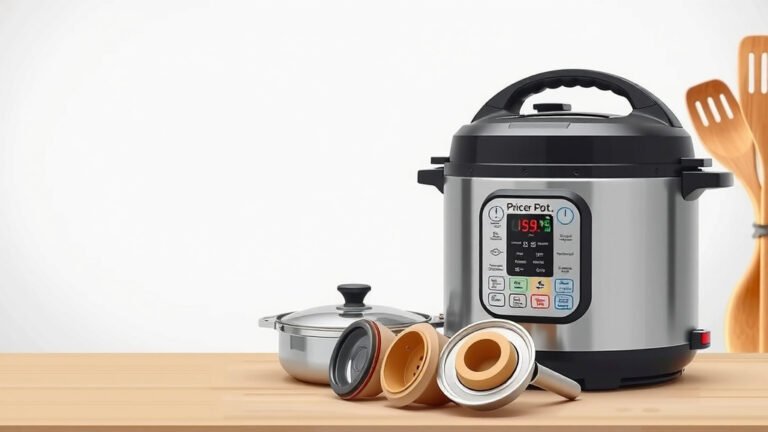
Your pressure cooker has a few key parts that make this happen. The pot itself is usually made of sturdy metal, designed to withstand high pressure. Then there’s the lid. It locks securely, creating an airtight seal. This is vital for trapping steam.
The Role of the Sealing Ring
Have you ever seen that rubber or silicone ring around the inside of the lid? That’s your sealing ring. Its job is critical. It compresses when you close the lid, creating a watertight and airtight seal. Without a good seal, steam would just escape, and you wouldn’t build up any pressure. A damaged or worn-out sealing ring is often why a pressure cooker won’t pressurize properly.
Safety Valves and Pressure Regulators
Now, you might be thinking, “Is all that pressure safe?” Absolutely! Pressure cookers have built-in safety features. There are usually several valves. One is the main pressure regulator, which controls the cooking pressure. It often makes a gentle hissing sound when the cooker reaches its set pressure.
There’s also an over-pressure plug or safety valve. If, for some reason, the main regulator fails and pressure builds up too high, this secondary valve will release the excess steam. These safety mechanisms have been refined over years of research and testing (FDA).
Comparing Pressure Cooking to Other Methods
Let’s put pressure cooking side-by-side with other common cooking methods. You’ll see why it’s such a time-saver. We’re not just talking about shaving off a few minutes; we’re talking about significant reductions in cooking time.
Pressure Cooker vs. Stovetop Pot
In a regular pot on the stove, your food cooks at the boiling point of water, around 212°F (100°C). This process can take hours for tougher cuts of meat or dried beans. A pressure cooker, as we’ve discussed, cooks at 250°F (121°C) and above.
This temperature difference is huge! For example, dried beans that might take 1-2 hours on the stovetop can be tender in 20-30 minutes in a pressure cooker. Tough beef roasts that need 3-4 hours can be fall-apart tender in about an hour. It’s a dramatic difference in time.
Pressure Cooker vs. Oven
Cooking in the oven also relies on dry heat, and temperatures can vary widely. While an oven can get very hot, heat transfer into food is generally slower than in a moist, pressurized environment. Roasting a tough cut of meat might take 2-3 hours in the oven.
A pressure cooker excels at breaking down tough connective tissues in meat quickly due to the high heat and steam. It also tenderizes vegetables much faster than slow roasting. For many dishes, the pressure cooker offers a speed advantage over oven cooking.
| Food Item | Stovetop Pot (Approx.) | Pressure Cooker (Approx.) |
|---|---|---|
| Dried Beans (soaked) | 1-2 hours | 20-30 minutes |
| Beef Stew Meat | 2-3 hours | 35-45 minutes |
| Whole Chicken | 1.5-2 hours | 25-30 minutes |
| Pot Roast | 3-4 hours | 60-75 minutes |
The Energy Efficiency Factor
Because pressure cookers cook food so much faster, they also tend to use less energy. You’re running your stovetop burner or electric element for a shorter period. Research has shown that pressure cookers can be more energy-efficient than conventional cooking methods (US Department of Energy). It’s good for your wallet and good for the planet!
Benefits Beyond Just Speed
While speed is the main draw, pressure cooking offers other advantages. The trapped steam helps food retain more of its nutrients compared to boiling or simmering for long periods. Many experts suggest this nutrient retention is a key benefit (Harvard Health).
Also, the sealed environment means less moisture escapes. This can result in more flavorful food. Flavors get concentrated because they don’t have a chance to evaporate. Plus, you’re using less liquid overall, which also helps keep flavors intense.
A Quick Checklist for Pressure Cooker Success
To make sure your pressure cooker works its magic efficiently, keep these quick tips in mind:
- Always use enough liquid as specified.
- Ensure the sealing ring is clean and properly fitted.
- Don’t overfill the pot past the maximum fill line.
- Make sure the pressure release valve is clear of debris.
- Allow for natural pressure release when recommended for tender results.
- Check your manual for specific cooking times for your model.
Conclusion
You’ve seen firsthand how a pressure cooker speeds up cooking by creating a high-pressure environment. This allows your food to reach temperatures well above boiling point, making heat transfer incredibly efficient. It’s more than just a time-saver; it can also help preserve nutrients and concentrate flavors. Now that you understand the science, you’re ready to put your pressure cooker to work. Why not try a quick weeknight stew or some tender beans this evening?
Frequently Asked Questions
Does a pressure cooker use more energy because it’s faster?
Actually, research shows pressure cookers are often more energy-efficient. Because they cook food so much faster, you’re using your stovetop or electric element for a shorter time. This reduced cooking duration means less overall energy consumption compared to longer methods.
Can I use any pot as a pressure cooker?
No, you cannot. A true pressure cooker is specifically designed with a locking lid and sturdy construction to withstand high internal pressure safely. Regular pots are not built for this purpose and could be dangerous if used under pressure.
Why does my pressure cooker not build pressure?
This is often due to the sealing ring. If the rubber or silicone ring is damaged, dirty, or not properly seated, it can’t create an airtight seal. Steam will escape, preventing the necessary pressure buildup for faster cooking.
Is it safe to open a pressure cooker while it’s still pressurized?
Never attempt to force open a pressure cooker that is still under pressure. Modern pressure cookers have safety features to prevent this. Always wait for the pressure to release naturally or use the quick-release method as instructed by your manual.
How does pressure cooking affect the taste of food?
The sealed environment of a pressure cooker helps to trap flavors. Less moisture evaporates, meaning seasonings and natural food juices become more concentrated. Many people find pressure-cooked meals to be more intensely flavorful because of this.