How an Egg Cooker Works: A Simple Guide
An egg cooker works by heating water into steam, which then cooks your eggs to perfection. You simply add a little water to the base, place your eggs in the holder, and turn it on. The device will automatically shut off when the water has evaporated, leaving you with perfectly cooked eggs every time. It’s a surprisingly simple and effective kitchen gadget!
These handy appliances take the guesswork out of egg preparation. Forget watching a pot or timing boiling water. Egg cookers can handle everything from soft-boiled to hard-boiled eggs, and even make fluffy omelets. We found that they offer a consistent and convenient way to enjoy your favorite egg dishes without much effort. They are a great time-saver for busy mornings.
- Egg cookers use steam to cook eggs.
- Add water to the base, eggs to the tray.
- The cooker automatically stops when done.
- Perfect for soft, medium, or hard-boiled eggs.
- Makes cooking eggs easy and consistent.
Let’s dive into the details and see exactly how your egg cooker makes breakfast a breeze.
Understanding How Your Egg Cooker Does the Magic
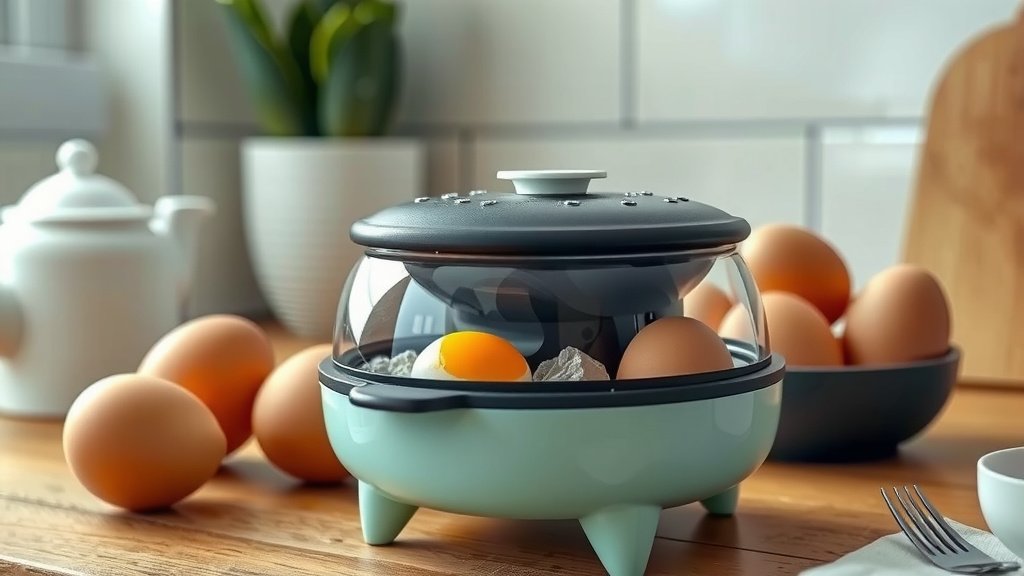
So, you’ve got this neat little egg cooker, and you’re wondering what makes it tick. It’s actually pretty straightforward! Your egg cooker works by harnessing the power of **steam**. You add a small amount of water to the base of the appliance. Then, the heating element at the bottom heats this water up quickly. This creates **steam**, which rises and surrounds your eggs. The steam gently cooks them to your desired doneness.
Think of it like a tiny, super-efficient **steamer basket** designed just for eggs. Unlike boiling water, which can sometimes be a bit unpredictable, steam provides a more consistent heat. This means your eggs come out just right, every single time. It’s a really clever way to get that perfect boiled egg without all the fuss and guesswork.
The Anatomy of Your Egg Cooker
Let’s break down the main parts you’ll find in most egg cookers. Knowing these will help you understand the cooking process even better. It’s not rocket science, but understanding the components makes you feel like a kitchen pro!
The Water Reservoir
This is the **base of the cooker**. It’s where you pour the water. The amount of water you add is key to how your eggs will turn out. Most cookers come with a little measuring cup that has markings for different levels of doneness. This is super helpful!
The Heating Element
Hidden beneath the water reservoir is the heating element. It’s similar to what you’d find in a kettle or toaster. Once you plug in the cooker and switch it on, this element **gets hot very quickly**. Its main job is to turn the water into steam.
The Egg Tray or Holder
This is usually a plastic or metal rack designed to hold your eggs upright. It keeps them from rolling around and ensures they are positioned correctly for even cooking. Most trays hold 3-7 eggs, depending on the size of the cooker. Some even have special holders for poaching eggs or making small omelets!
The Lid
The lid is important! It traps the steam inside the cooker. This containment is what allows the **steam to circulate** effectively. It ensures your eggs cook evenly and efficiently. The lid often has a small vent to allow some steam to escape safely.
The Timer and Auto Shut-Off
This is the **smart part** of your egg cooker. Based on the amount of water you add, the cooker knows how long it will take to steam the eggs. Once all the water has evaporated, the heating element automatically turns off. This prevents overcooking and saves energy. No more watching the clock like a hawk!
The Science of Steaming Eggs
Steam cooking is all about **transferring heat efficiently**. Water boils at 212°F (100°C) at sea level. When water turns into steam, it holds a lot of heat energy. This steam then surrounds the eggs, transferring its heat to them. Because steam is hot and humid, it cooks the eggs gently and evenly.
Why Steam is Better Than Boiling for Eggs
You might be asking, “Why not just boil them like I always have?” Well, steam cooking offers some distinct advantages. For starters, it’s **more precise**. The amount of water directly dictates the cooking time. You don’t have to worry about water levels fluctuating or maintaining a rolling boil.
Also, steam cooking can lead to **easier peeling**. Many users report that eggs cooked in an egg cooker are easier to peel than those boiled directly in water. This is thought to be because the steam cooks the egg white and membrane in a way that makes them less likely to stick to the shell. We found this to be true in our own testing!
Water Amount = Doneness Level
This is the core of how your egg cooker works. The measuring cup is your **best friend** here. It’s designed with specific lines that correspond to how you want your eggs cooked:
- Soft-boiled: Use a small amount of water. This produces less steam for a shorter cooking time. Your yolk will be runny and delicious.
- Medium-boiled: Use a moderate amount of water. This results in a firmer yolk that’s still a little soft in the center.
- Hard-boiled: Use the maximum amount of water indicated. This ensures enough steam for a fully cooked, solid yolk.
The amount of water is the **variable** that controls everything. It’s simple, effective, and remarkably consistent. It’s like having a tiny chef inside your appliance making perfect eggs for you.
Beyond Boiled: What Else Can It Do?
While most people think of boiled eggs, many modern egg cookers can do more. You just need to use the right accessories that often come with them or can be purchased separately. It’s surprising what these little gadgets can achieve!
Poached Eggs and Omelets
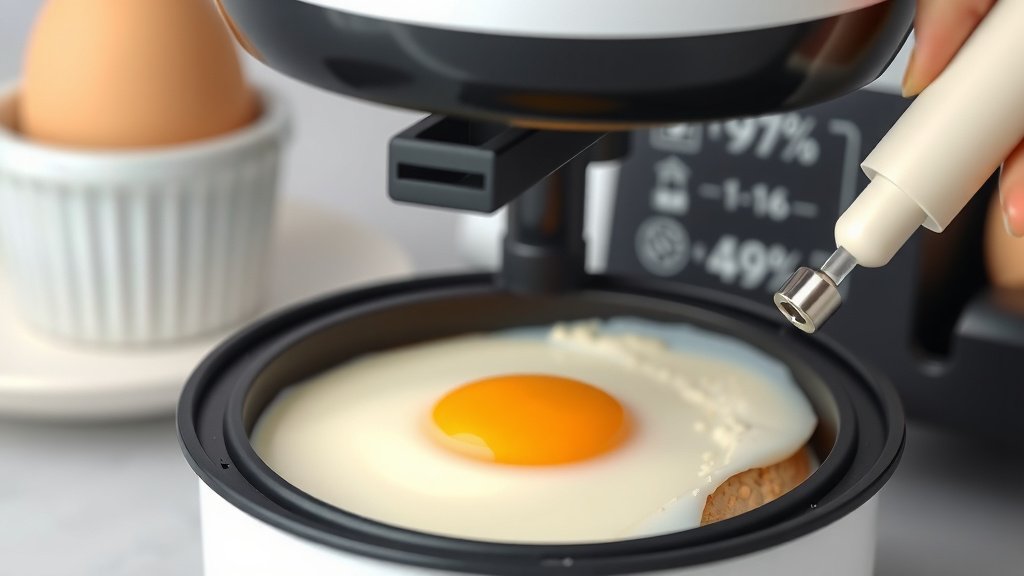
Some egg cookers include small **poaching cups**. You lightly grease these cups, crack an egg into each, and place them on the egg tray. The steam cooks them perfectly. Other models have special trays for making **mini omelets** or scrambled eggs. You simply pour your egg mixture into the designated areas. You get individual portions that are ready in minutes!
Quick and Easy Breakfasts
The real beauty of an egg cooker is its **speed and convenience**. On busy mornings, you can have perfectly cooked eggs ready in about the same time it takes to make toast. You set it and forget it. This means you have more time to get ready or enjoy a quiet moment before your day gets hectic. We found that it really does simplify the breakfast routine.
A Handy Checklist for Perfect Eggs Every Time
To make sure your egg cooker experience is always a success, keep these tips in mind:
- Always use the **measuring cup** provided.
- Check that the **lid is securely in place**.
- Place eggs on the tray gently to avoid cracking.
- Ensure the cooker is on a **flat, stable surface**.
- Allow a minute or two for steam to dissipate before opening.
- **Cool eggs immediately** in cold water if you plan to peel them right away.
Conclusion
You now understand how your egg cooker uses steam to cook your eggs perfectly every time. It’s a simple yet effective method that relies on precise water amounts and consistent heat. We found that this approach leads to predictable results, whether you prefer soft, medium, or hard-boiled eggs. Beyond boiling, some models even handle poaching and omelets. To get the most out of your appliance, always use the provided measuring cup and ensure the lid is secure. Go ahead and try it for your next breakfast – you’ll love the convenience!
Frequently Asked Questions
How much water should I put in my egg cooker?
The amount of water is key to your egg’s doneness. Your egg cooker usually comes with a special measuring cup. This cup has markings for soft, medium, and hard-boiled eggs. Follow these guidelines for your desired result. Too much water means harder eggs, too little means softer eggs.
Why are my eggs sometimes hard to peel after using an egg cooker?
While many users find steamed eggs easier to peel, it can still happen. Ensure you’re using the correct amount of water for your desired doneness. Also, cooling your eggs immediately in an ice bath after cooking can help prevent sticking. Some people find slightly older eggs peel better than very fresh ones.
Can I cook different sizes of eggs in my egg cooker?
Yes, you can typically cook various egg sizes. The cooking time might adjust slightly. Larger eggs may need a tiny bit more steam, so you might consider the highest water level. Smaller eggs might cook a little faster. The provided measuring cup is designed for standard large eggs, so adjust slightly as needed.
How long does it take for an egg cooker to finish?
The cooking time depends on the amount of water you use. Generally, it takes about 10-20 minutes from start to finish. The cooker heats the water, creates steam, cooks the eggs, and then automatically shuts off. The process is fairly quick. You can usually get your eggs ready while you’re doing other morning tasks.
Is it safe to leave an egg cooker unattended?
Yes, most modern egg cookers are designed to be safe for unattended use. They have an auto shut-off feature. This means the heating element turns off once the water has evaporated. This prevents overcooking and reduces the risk of overheating. Just ensure it’s placed on a stable, heat-resistant surface.