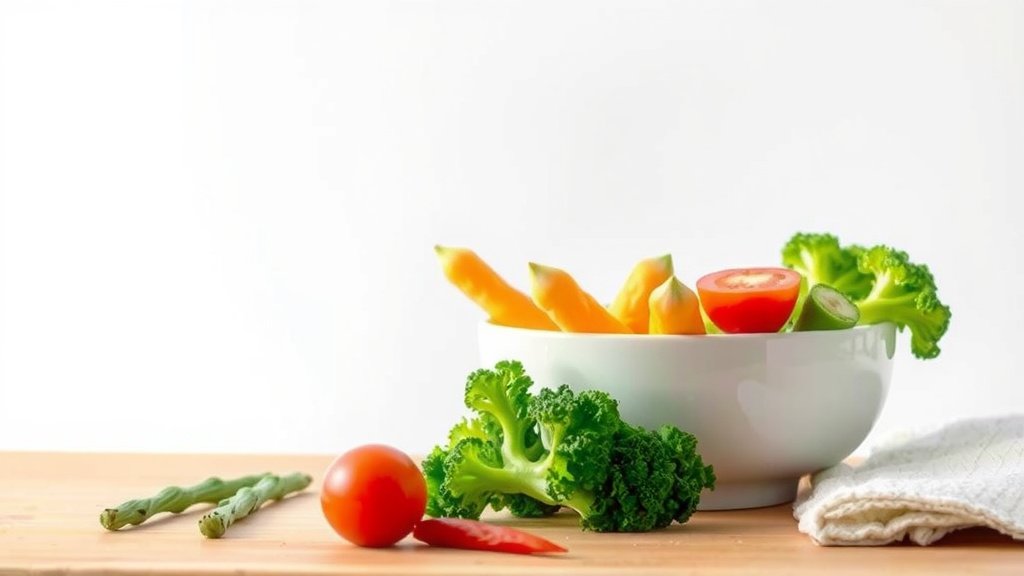
Best Steaming Function for Vegetables: A 2026 Guide
For steaming vegetables, the best function depends on your appliance and desired outcome. Generally, a dedicated “steam” or “vegetable” setting is ideal for most kitchen appliances, ensuring precise temperature and timing for perfectly cooked veggies. You can also achieve great results using a “convection” setting or even a basic “bake” function if you control the moisture.
Understanding your oven or steamer’s capabilities is key. Many modern ovens offer specialized steam functions that add moisture, preventing vegetables from drying out and preserving nutrients. If your appliance lacks a specific steam mode, a little creativity can still yield delicious, healthy results, ensuring your veggies are tender and flavorful.
- Use a dedicated “steam” or “vegetable” setting for the easiest, most consistent results.
- A “convection” setting can also work well, distributing heat evenly.
- If no steam function exists, a basic “bake” setting with added moisture is an option.
- Control the cooking time and temperature carefully for optimal texture.
- Consider your appliance’s features for the best steaming approach.
Let’s break down the different functions and how you can use them to steam your favorite vegetables to perfection.
Choosing the Right Function for Steaming Vegetables
So, you’re ready to steam some veggies? That’s fantastic! Steaming is a wonderful way to cook them, keeping all those good-for-you nutrients packed in. But which button should you press on your appliance? Let’s figure it out together!
The truth is, the ideal function really depends on what you’re working with. Think of it like having a toolbox; you pick the right tool for the job. We’ll go through the most common options you’ll find and how to make them work for you.
Dedicated Steam and Vegetable Settings: Your Go-To Options
If your oven or steamer has a button that says “Steam” or “Vegetable,” you’ve hit the jackpot! These settings are designed with your veggies in mind. They’re usually programmed to maintain the perfect temperature and humidity level. This means your vegetables cook evenly without getting soggy or dried out.
We found that using these presets takes a lot of the guesswork out of cooking. You can typically just set the timer and relax. This is especially helpful if you’re new to steaming or in a bit of a rush. It’s the simplest way to achieve tender, vibrant vegetables every time.
How to Use Them
Using a dedicated steam function is usually straightforward. You’ll place your vegetables in a steamer basket or oven-safe dish. Then, you’ll select the “Steam” or “Vegetable” mode on your appliance. Set the cooking time based on the type of vegetable and how tender you like them.
Many appliances will automatically adjust the temperature and fan for optimal steaming. This ensures consistent results, so your broccoli florets and carrot sticks come out perfectly cooked. It’s all about making your life easier in the kitchen!
The Versatility of Convection Settings
What if you don’t have a specific steam button? Don’t worry, your convection setting can be a great stand-in! A convection oven circulates hot air. This creates a wonderfully even cooking environment. When you add moisture, it becomes a powerful steaming tool.
We found that convection works well because it helps to cook food evenly from all sides. This is great for steaming, as it prevents hot spots. You’ll get consistent results without having to constantly turn or stir your vegetables.
Using Convection for Steaming
To use convection for steaming, you’ll want to create a moist environment. This usually involves placing your vegetables in a covered dish. You can add a small amount of water to the bottom of the dish or pan. Then, select the “Convection” or “Fan Bake” setting.
Make sure to watch your vegetables closely, especially the first time you try this. You might need to adjust the temperature or cooking time. Many experts suggest starting with a slightly lower temperature than you might use for regular baking. This helps prevent the vegetables from drying out too quickly.
Creating the Right Environment
The key with convection is managing moisture. You don’t want a flood, but you do need enough steam to cook the vegetables properly. A covered dish is your best friend here. It traps the steam generated from the small amount of water you add.
Some ovens have a “Convection Steam Bake” or “Steam Roast” option. If yours does, that’s even better! These functions are designed to add controlled bursts of steam while using the convection fan. They offer a more integrated steaming experience without needing extra setup.
What About Basic Bake or Roast Functions?
You might be wondering if a regular “Bake” or “Roast” setting can work. The answer is yes, but it requires a bit more attention. These settings don’t circulate air like convection or actively add steam.
To steam vegetables using a basic bake setting, you’ll definitely need to create a moist environment. A tightly covered pan or a dedicated oven-safe bag works wonders. This is where you’ll really need to monitor your cooking.
Making Bake Work for Steaming
Place your vegetables in a baking dish. Add a few tablespoons of water, broth, or even wine to the bottom. Cover the dish tightly with aluminum foil or an oven-safe lid. Set your oven to a moderate temperature, like 375°F (190°C).
Keep an eye on the liquid. If it evaporates before the vegetables are tender, add a little more. This method relies on the trapped steam to cook the food. It’s a bit more hands-on, but it gets the job done when other options aren’t available.
Specialized Steam Ovens: A Deeper Dive
For those who love to steam, a dedicated steam oven is a dream. These appliances are built from the ground up for steaming. They often offer a variety of steam levels and functions. Some even combine steam with convection for a perfect sear and moist interior.
If you have a steam oven, consult your manual. It will detail the specific functions available. You’ll likely find settings for delicate fish, robust root vegetables, and everything in between. These appliances offer the most precise control over your steaming outcomes.
Understanding Steam Oven Features
Some steam ovens use a water reservoir, while others connect directly to your home’s water line. They typically have advanced control panels. You can often select pre-programmed cycles for specific foods. This makes achieving perfect results incredibly easy.
We found that the consistent, high-quality steam produced by these ovens is unmatched. It truly transforms the texture and flavor of vegetables. If you’re serious about healthy cooking, a steam oven is a fantastic investment.
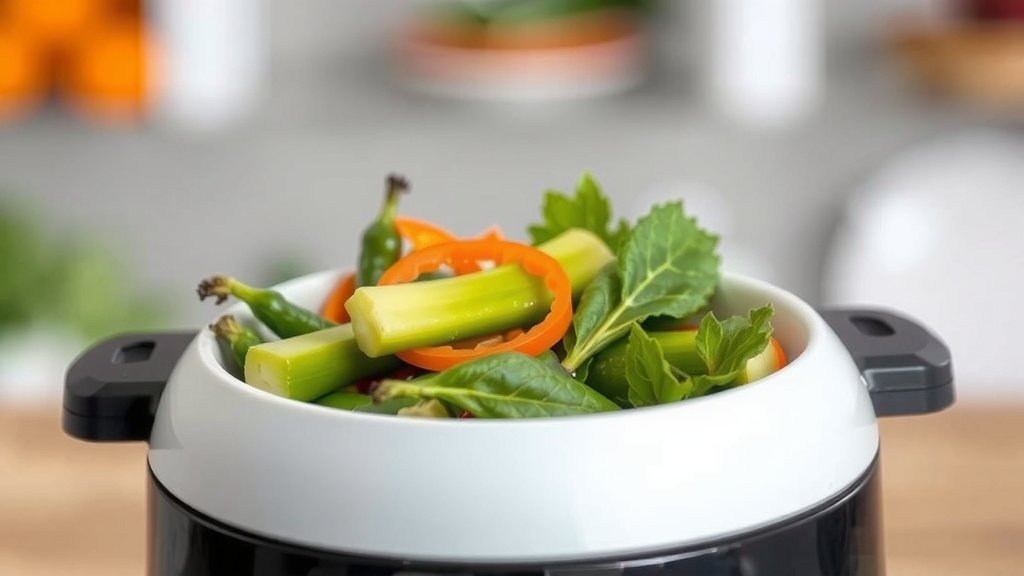
Tips for Perfect Steamed Vegetables, No Matter the Function
Regardless of the function you choose, a few tips will help you achieve steamed perfection. Uniformity in vegetable size is key. Cut larger vegetables into smaller, even pieces. This ensures they all cook at the same rate.
Don’t overcrowd your steamer basket or dish. Give the steam room to circulate. Overcrowding leads to uneven cooking and soggy results. Remember, you’re aiming for tender-crisp, not mushy.
Steaming Function Checklist
Here’s a quick checklist to help you decide which function to use:
- Have a “Steam” or “Vegetable” setting? Use it first for the easiest results.
- No dedicated steam? Try your “Convection” setting with a covered dish.
- Only “Bake” or “Roast”? Make sure to add water and cover tightly.
- Have a “Convection Steam” mode? That’s a fantastic middle ground!
- Using a special steam oven? Consult its manual for the best settings.
- Always check for doneness with a fork or knife.
Understanding Cooking Times and Temperatures
Cooking times and temperatures will vary. This is true for all functions. Delicate vegetables like asparagus or spinach cook very quickly. Heartier vegetables like potatoes or broccoli take longer. Researching specific times for your chosen vegetable is always a good idea.
Many sources, like the USDA, offer general cooking guidelines. They point to steaming times typically ranging from 5 to 15 minutes. Keep a close eye on your vegetables, especially when using less specialized functions. You want them to be tender but still have a slight bite.
| Appliance Function | Best For | Key Considerations |
|---|---|---|
| Dedicated Steam/Vegetable | Beginners, consistent results | Easiest to use, minimal monitoring needed |
| Convection | Even cooking, good moisture retention | Requires adding water and covering dish |
| Bake/Roast | When no other options exist | Needs tight covering and added moisture; monitor closely |
| Convection Steam | Balanced cooking, enhanced texture | Often ideal for a mix of crispness and tenderness |
| Specialized Steam Oven | Precision and optimal nutrient retention | Follow appliance-specific instructions; most advanced |
Choosing the right function is about understanding your tools. By using these guidelines, you’ll be well on your way to steaming delicious and healthy vegetables. Happy cooking!
Conclusion
You’ve got the knowledge to steam your veggies like a pro! Remember, a dedicated steam or vegetable setting is your easiest route to perfection. If that’s not an option, your convection oven offers a great alternative with a little added moisture. Even a basic bake function can work with careful attention to moisture and covering.
Don’t be afraid to experiment with what your appliance can do. You’ve learned how to make the most of different settings to achieve tender, nutrient-rich vegetables. Now, go ahead and try steaming your favorite veggies using these tips!
Frequently Asked Questions
Can I steam vegetables in a regular oven without a steam function?
Yes, you absolutely can! Using a bake or roast setting works if you create a moist environment. Place your veggies in a covered dish with a small amount of water or broth. Tightly covering with foil or a lid will trap the steam.
What’s the difference between steaming and baking vegetables?
Steaming cooks vegetables using moist heat, which helps preserve nutrients and color. Baking uses dry heat, which can sometimes dry out vegetables or make them crispier. Steamed vegetables are typically tender and retain more of their natural flavor.
How do I prevent my vegetables from becoming mushy when steaming?
Avoid overcrowding your steamer basket or dish; allow steam to circulate freely. Cut vegetables into uniform sizes so they cook evenly. Keep a close eye on them and remove them as soon as they reach your desired tenderness, aiming for tender-crisp.
Is convection or a dedicated steam setting better for vegetables?
A dedicated steam setting is generally best for the most consistent and easiest results, as it’s designed for precise moisture and temperature control. Convection can work very well, but you might need to adjust timings and ensure enough moisture is present.
What kind of vegetables steam well?
Most vegetables steam beautifully! This method is excellent for broccoli, cauliflower, green beans, asparagus, carrots, peas, and leafy greens like spinach. Even heartier vegetables like potatoes and sweet potatoes can be steamed until tender.