How to Choose a Multicooker: Your Guide
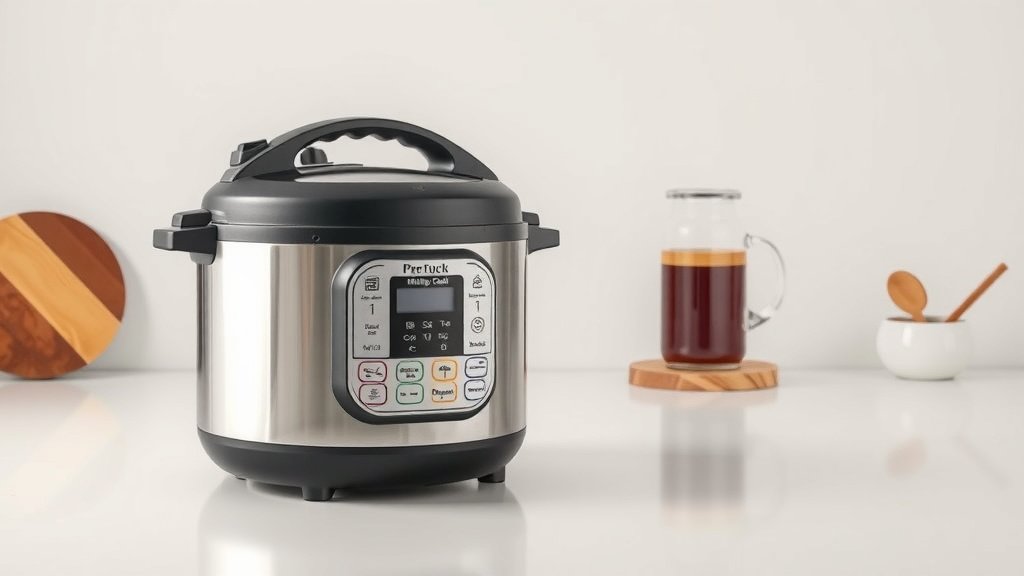
Choosing a multi-cooker is easier than you think. The best multi-cooker for you depends on your kitchen space and the types of meals you cook most often. Consider models with various functions like pressure cooking, slow cooking, and sautéing to maximize versatility.
Multi-cookers are fantastic kitchen helpers. They can replace several appliances, saving you counter space and time. We found that popular brands offer different sizes and features, so there’s a perfect match for every home cook. Think about how many people you usually cook for when deciding on a size.
- Consider size based on your household.
- Look for functions you’ll use often.
- Pressure cooking and slow cooking are common features.
- Sautéing is a handy bonus.
Ready to find the perfect multi-cooker for your culinary adventures? Let’s walk through what to look for step by step.
Picking the Right Multi-Cooker for Your Kitchen
So, you’re ready to bring one of these handy kitchen wizards home. That’s awesome! A multi-cooker can seriously change how you cook. Let’s break down how to choose the one that fits your life and your cooking style perfectly. We’ll guide you through the key features so you don’t end up with a gadget that just collects dust.
Understanding Multi-Cooker Functions: What Can It Actually Do?
These machines are called “multi-cookers” for a reason. They pack a lot of cooking power into one pot. Understanding what each function does will help you pick the right one.
The Core Functions: Pressure Cooking and Slow Cooking
Most multi-cookers come with pressure cooking and slow cooking. These are the rockstars of the multi-cooker world. Pressure cooking is super fast. It cooks food in a fraction of the time it normally takes. Think tender pulled pork in under an hour! Pressure cooking is super fast and cooks food in a fraction of the time it normally takes.
Slow cooking, on the other hand, is all about low and slow. It’s perfect for stews, roasts, and anything you want to be melt-in-your-mouth tender. You can set it and forget it, letting the flavors develop beautifully over several hours.
Bonus Features That Make a Difference
Beyond the basics, many multi-cookers offer extra settings. Sautéing is a big one. This means you can brown meats and soften veggies right in the pot before pressure cooking or slow cooking. It saves you from dirtying another pan – score!
Other common functions include rice cooking, steaming, and yogurt making. If you eat a lot of rice, a dedicated rice setting can be a lifesaver. Steaming is great for healthy veggies or fish. And if you’re a DIY yogurt enthusiast, this feature is a must-have.
What About Other Cooking Methods?
Some higher-end models even include sous vide capabilities or air frying functions. Research and found that these advanced features can replace even more appliances. However, consider if you’ll actually use them before paying extra. A simple multi-cooker with pressure and slow cook functions can be just as effective for many home cooks.
Size Matters: Choosing the Right Capacity
How many people are you usually cooking for? This is probably the most important question when it comes to size. Multi-cookers come in various capacities, usually measured in quarts.
Small Households (1-3 People)
For singles, couples, or small families, a 3-quart or 4-quart model is often ideal. These smaller units are great if you have limited counter space. They’re also perfect for cooking smaller portions or side dishes.
Medium Households (4-6 People)
The most common size, and a great all-rounder, is the 6-quart model. We found this size works for most families. It’s large enough to cook a meal for around 5-6 people comfortably. Many popular recipes are designed for this capacity.
Large Households or Entertainers (6+ People)
If you have a big family, frequently entertain guests, or just love making large batches of food, a 8-quart or larger model is your best bet. These can cook a whole chicken or a large roast with ease. Just be sure you have the counter space to accommodate it!
Safety Features: What to Look For
Safety is non-negotiable, especially with pressure cooking. Reputable manufacturers put a lot of thought into safety mechanisms.
Look for multi-cookers with multiple safety features. These often include a lid-locking mechanism, a steam release valve, and over-pressure protection. Many guidelines point to these as essential safety measures (National Safety Council). You want a device that gives you peace of mind while it’s working its magic.
Ease of Use and Cleaning: Practical Considerations
Let’s be honest, no one wants a complicated kitchen gadget. Ease of use and cleaning are key factors.
Intuitive Controls
Does the control panel make sense? We found that models with clear, easy-to-read displays and simple button layouts are a joy to use. If you have to read a novel to figure out how to start dinner, it’s probably not the one for you.
Dishwasher-Safe Parts
This is a big one for many people. Check if the inner pot and any accessories, like the steam rack, are dishwasher-safe. This makes cleanup a breeze. Even if the pot isn’t dishwasher safe, a non-stick interior usually makes wiping it down quick and easy.
Lid Design
Some lids can be tricky to store or clean. Look for a design where the steam release handle is easy to access and clean. We also found that removable sealing rings can sometimes trap odors, so check reviews for how easy they are to wash.
Budget and Brand Reputation
Multi-cookers range from budget-friendly options to premium models. Decide how much you’re willing to spend. Researching different brands can help. Established brands often have a good track record for reliability and customer support.
Understanding Price Points
Basic models with essential functions are usually more affordable. If you need advanced features like air frying or sous vide, expect to pay more. Think about your cooking needs. Sometimes, a simpler, less expensive model is all you really need.
Reliability and Reviews
Don’t just take our word for it; check out customer reviews. They can offer real-world insights into a product’s performance and durability. Many experts suggest looking for brands with consistent positive feedback regarding longevity and customer service.
Quick Checklist for Your Multi-Cooker Hunt
To help you make a decision, here’s a quick checklist to keep in mind:
- Household Size: Does the capacity fit your family?
- Key Functions: Does it have pressure cook, slow cook, and sauté?
- Bonus Features: Are other functions (rice, steam) important to you?
- Safety: Does it have multiple safety certifications?
- Ease of Cleaning: Are parts dishwasher-safe?
- Budget: Does it fit within your price range?
Conclusion
You’re now ready to select your perfect multi-cooker! Remember to weigh your household size against the available capacities. Prioritize the functions you’ll use most, like pressure cooking and sautéing, and don’t forget practicalities like ease of cleaning. Safety features are non-negotiable for peace of mind. By keeping these points in mind, you’ll find a kitchen companion that simplifies your cooking and brings delicious meals to your table. Head to your favorite retailer or start browsing online – your new favorite appliance awaits!
Frequently Asked Questions
How do I know if I need a small, medium, or large multi-cooker?
Consider how many people you typically cook for. For 1-3 people, a 3-4 quart size is usually sufficient. Most families find a 6-quart model to be a versatile choice, while larger households or those who entertain often might prefer an 8-quart or bigger.
Are there any safety concerns with multi-cookers, especially pressure cooking?
Reputable multi-cookers have robust safety features like lid-locking mechanisms and over-pressure protection. Always follow the manufacturer’s instructions for safe operation and ensure the lid is properly sealed before cooking.
What’s the difference between pressure cooking and slow cooking in a multi-cooker?
Pressure cooking uses trapped steam to cook food much faster, ideal for tenderizing meats quickly. Slow cooking uses low, consistent heat over a longer period, perfect for developing deep flavors in stews and roasts.
Is it worth paying more for extra functions like air frying or sous vide?
That depends on your cooking habits! If you plan to use those specific functions regularly and they’ll replace other appliances, it might be a good investment. For many, the core functions like pressure, slow, and sauté are sufficient.
How important is the “sauté” function on a multi-cooker?
The sauté function is very handy! It allows you to brown meats and soften vegetables directly in the multi-cooker pot before switching to pressure or slow cook modes. This saves you from dirtying an extra pan and helps build flavor.