Pressure Cooker vs Slow Cooker: What’s the Difference
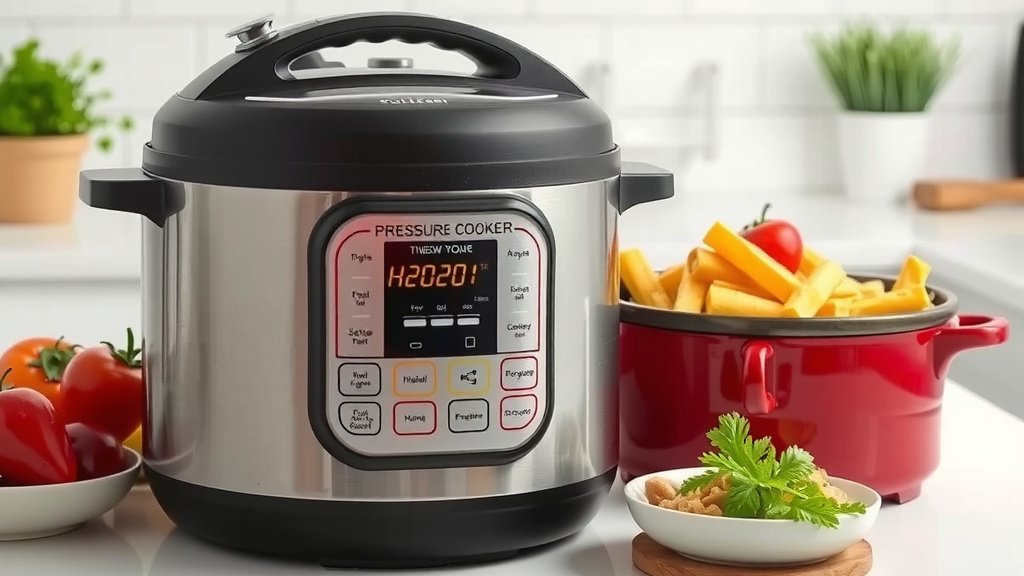
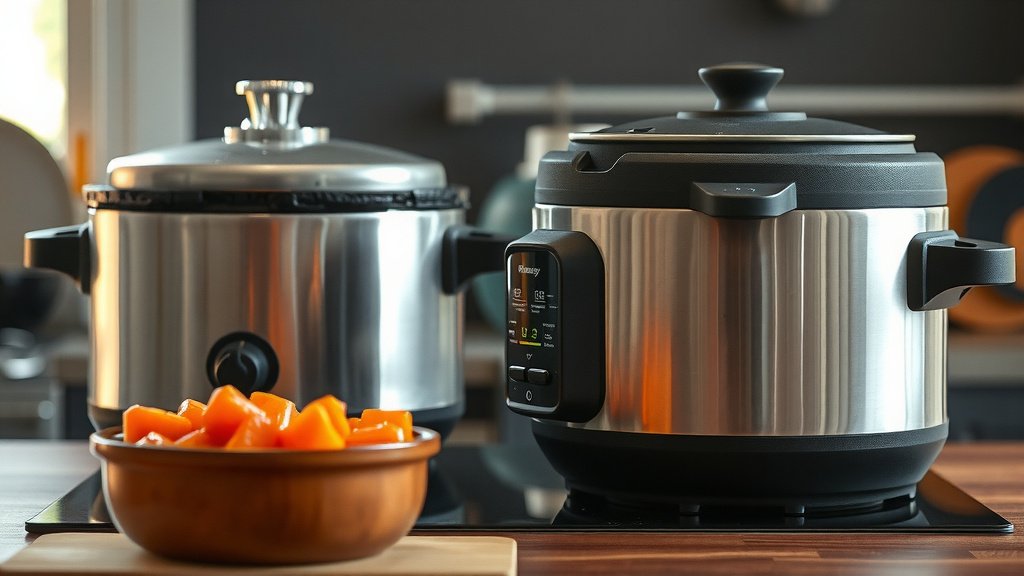
The main difference between a pressure cooker and a slow cooker comes down to speed and cooking temperature. A pressure cooker cooks food much faster by using trapped steam to raise the internal temperature. A slow cooker, on the other hand, cooks food gently over a long period at a low temperature.
If you’re wondering which appliance is right for your kitchen, we found that understanding their unique functions is key. Pressure cookers are great for weeknight meals when you’re short on time. Slow cookers are perfect for tenderizing tougher cuts of meat and preparing meals while you’re away from home. Both can help you create delicious dishes with minimal effort.
- Pressure cookers cook fast using steam.
- Slow cookers cook low and slow over hours.
- Pressure cookers lock in nutrients and flavor quickly.
- Slow cookers tenderize meats and meld flavors over time.
- They serve different purposes for busy cooks.
Let’s break down the key distinctions so you can decide which one best fits your cooking style and needs.
Understanding Your Cooking Companions: Pressure Cooker vs. Slow Cooker
You’ve seen them. Maybe you even own one. But do you truly know what makes your pressure cooker and slow cooker tick? While both appliances can make cooking easier, they work in fundamentally different ways. We found that understanding these differences is your first step to culinary success. Let’s dive into how they operate and when to use each.
How a Pressure Cooker Works Its Magic
Think of a pressure cooker as a speed demon for your kitchen. Its main job is to cook food incredibly fast. It does this by trapping steam inside a sealed pot. This trapped steam increases the internal pressure. The higher pressure then raises the boiling point of water. Water boils at 212°F (100°C) normally. In a pressure cooker, it can reach temperatures as high as 250°F (121°C) or more. This superheated steam cooks your food much quicker than conventional methods. We found that this higher temperature is what makes it so efficient for tenderizing meats and cooking grains.
The Science Behind the Speed
It’s all about physics, really! When you seal the lid on a pressure cooker, steam builds up. This steam can’t escape, so the pressure inside builds. Many cooking experts point to this pressure increase as the key factor (National Science Foundation).
This pressurized steam permeates the food. It forces moisture into the ingredients. This means flavors meld faster. And, of course, cooking times are slashed. We found that a dish that might take hours in a regular pot can be ready in under an hour, sometimes even minutes.
When Is a Pressure Cooker Your Best Friend?
A pressure cooker shines when time is short. Need to make dinner after a long day? This is your go-to. It’s fantastic for cooking dried beans without soaking them overnight. Tough cuts of meat become tender in a fraction of the time. It’s also brilliant for making quick stocks and broths. Many users report that it locks in nutrients and flavor exceptionally well because of the shorter cooking times. We found that it’s a popular choice for busy families and anyone looking to save time in the kitchen.
How a Slow Cooker Works Its Magic
Now, let’s talk about the slow cooker, also known as a Crock-Pot. This appliance is the champion of low and slow cooking. It uses a ceramic pot, a heating element around the base, and a lid. It cooks food gently over a long period. The temperatures are much lower than a pressure cooker, typically ranging from 170°F (77°C) on the ‘low’ setting to 200°F (93°C) on the ‘high’ setting. We found that this gentle heat is perfect for breaking down connective tissues in meat.
The Art of Gentle Cooking
The slow cooker is all about patience. It allows flavors to develop and meld together beautifully over several hours. You often put ingredients in before you leave for work, and a delicious meal is waiting for you when you get home. It’s like having a personal chef working tirelessly while you’re out and about. Many culinary enthusiasts love how it tenderizes tougher cuts of meat, making them melt-in-your-mouth tender. We found that it’s incredibly forgiving, and it’s hard to mess up a dish.
When Is a Slow Cooker Your Best Friend?
A slow cooker is ideal when you want to set it and forget it. It’s perfect for recipes that require long simmering times. Think hearty stews, pulled pork, pot roast, and even some desserts like cobblers. If you’re planning a party or a potluck, a slow cooker can keep food warm and ready to serve for hours. We found that it’s excellent for meal prepping, allowing you to make large batches of food to enjoy throughout the week. It’s also a favorite for anyone who enjoys the convenience of coming home to a ready-made meal.
Key Differences at a Glance
To really see the distinction, let’s lay it out side-by-side. We found that remembering these core differences can help you pick the right tool for the job.
| Feature | Pressure Cooker | Slow Cooker |
|---|---|---|
| Cooking Method | High pressure steam | Low, gentle heat |
| Cooking Speed | Fast (minutes to an hour) | Slow (several hours) |
| Temperature | High (up to 250°F / 121°C) | Low (170-200°F / 77-93°C) |
| Ideal For | Quick meals, beans, grains, tough meats fast | Stews, roasts, tenderizing meats over time, set-and-forget meals |
| Flavor Development | Quickly melds flavors | Develops deep, rich flavors over time |
| Energy Use | Uses more energy for a shorter time | Uses less energy over a longer time |
Choosing the Right Appliance for You
So, which one should grace your countertop? It really depends on your lifestyle and what you love to cook. Are you constantly pressed for time during the week? A pressure cooker might be your savior. Do you enjoy the idea of prepping a meal in the morning and having it ready and waiting when you return? A slow cooker is likely your perfect match.
Consider Your Cooking Style
Many home cooks find they benefit from having both. They serve different purposes in the kitchen. A pressure cooker is fantastic for those spontaneous weeknight dinners. A slow cooker is ideal for weekend meal prep or for when you want a hands-off approach. We found that people who entertain often appreciate the slow cooker for keeping dishes warm.
What About Modern All-in-One Appliances?
You might have seen multicookers that combine both functions. These are indeed very versatile! They often have settings for pressure cooking, slow cooking, sautéing, and more. If you’re looking to save space, an electric multicooker might be the best of both worlds. We found that these can be a great investment for kitchens with limited storage. However, some purists feel that dedicated appliances can sometimes perform each function slightly better.
A Quick Checklist for Your Decision
To help you decide which appliance fits your needs best, consider these points:
- How much time do you realistically have for cooking on weeknights?
- Do you often cook with dried beans or grains that require long simmering?
- Do you enjoy tender, fall-apart meats that benefit from slow cooking?
- Are you looking for an appliance you can “set and forget” for hours?
- Do you need to cook large batches of food for meal prep or entertaining?
- Is counter space a major consideration for your kitchen?
Conclusion
You now understand the core differences between pressure cookers and slow cookers. A pressure cooker excels at speed, using high-pressure steam to cook meals quickly, locking in nutrients. A slow cooker focuses on gentleness, applying low heat over many hours to tenderize meats and meld deep flavors. Consider your typical schedule and the types of dishes you love to make. Your choice depends on whether you need fast weeknight meals or patient, hands-off cooking. Make the decision that best suits your kitchen and your life, and start enjoying delicious, effortless meals!
Frequently Asked Questions
Can I use a pressure cooker and a slow cooker for the same recipes?
Generally, no. While some modern multicookers can do both, a traditional pressure cooker and slow cooker operate on opposite principles. You can’t substitute one for the other in most recipes without significant adjustments. Pressure cooking is fast and high-heat; slow cooking is slow and low-heat.
Which appliance is better for tenderizing tough cuts of meat?
A slow cooker is typically better for tenderizing tough cuts of meat over a long period. The gentle, consistent heat breaks down connective tissues slowly, resulting in melt-in-your-mouth results. A pressure cooker can also tenderize meat quickly, but the texture might be slightly different.
How long does it take to cook a meal in each appliance?
A pressure cooker can cook meals in minutes to about an hour, depending on the recipe. A slow cooker, on the other hand, requires several hours, often 4-8 hours on low or 2-4 hours on high.
Are pressure cookers safe to use?
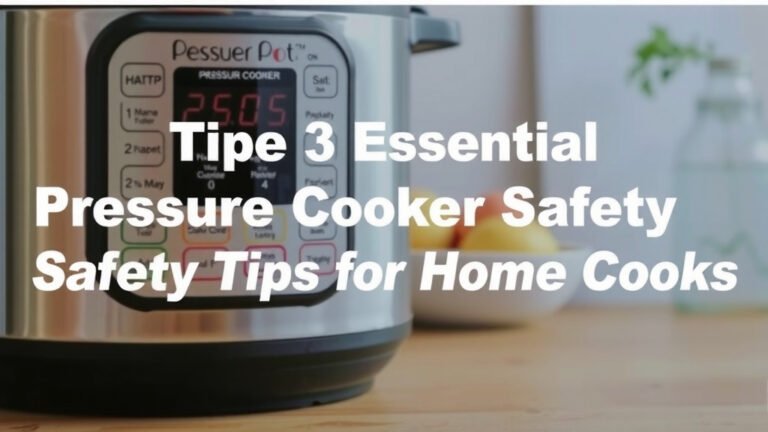
Yes, modern pressure cookers are very safe. They are equipped with multiple safety features, including locking lids and pressure release valves, to prevent over-pressurization. Always follow the manufacturer’s instructions for safe operation.
Can I make desserts in both appliances?
Yes, you can make delicious desserts in both! Slow cookers are great for cobblers, cakes, and cheesecakes that benefit from slow, even heat. Pressure cookers can make quick cheesecakes, custards, and steamed puddings much faster than traditional methods.