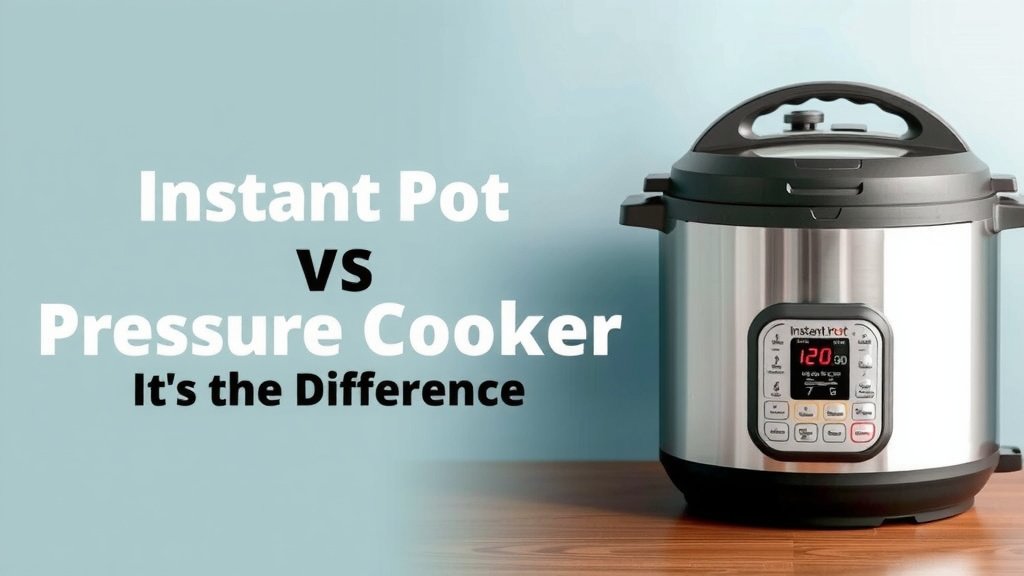
Instant Pot vs Pressure Cooker: What’s the Difference
The main difference between an Instant Pot and a traditional pressure cooker is that the Instant Pot is a multi-cooker. It functions as a pressure cooker, but also as a slow cooker, rice cooker, steamer, sauté pan, and yogurt maker, offering much more versatility for your kitchen tasks.
While both use steam pressure to cook food faster, the Instant Pot boasts advanced safety features and a programmable interface. Traditional pressure cookers typically require manual monitoring. Many users found the convenience and all-in-one functionality of the Instant Pot to be a major upgrade.
- Instant Pot = Multi-cooker (pressure, slow, rice, steam, sauté, yogurt)
- Traditional Pressure Cooker = Primarily pressure cooking
- Instant Pot has more safety features and controls
- Traditional models need more hands-on attention
- Instant Pots offer greater kitchen convenience
Let’s walk through exactly how these two popular kitchen appliances stack up against each other, so you can decide which is best for your needs.
Understanding the Instant Pot vs. Traditional Pressure Cooker Divide
It’s easy to get them confused, but these two kitchen workhorses have some key distinctions. Let’s break down what sets an Instant Pot apart from a classic pressure cooker. The primary difference boils down to functionality and how you interact with them.
The Core Function: Cooking Under Pressure
Both appliances rely on the same scientific principle: cooking food faster by increasing the atmospheric pressure inside a sealed pot. This higher pressure raises the boiling point of water. Water boils at 212°F (100°C) at sea level. In a pressure cooker, water can boil at much higher temperatures, sometimes up to 250°F (121°C). This intense heat cooks food significantly quicker than traditional methods.
How Pressure Cooking Works in a Nutshell
Imagine a regular pot with a lid. Steam builds up, but it can escape easily. A pressure cooker has a tight-fitting lid. As the liquid inside heats up, it turns to steam. This steam has nowhere to go, so it increases the pressure. The pressure pushes down on the food, and the superheated steam penetrates it faster. This means your stews, beans, and tough cuts of meat cook in a fraction of the time. Many studies show this can reduce cooking times by up to 70%.
Instant Pot: The Modern Multi-Cooker Marvel
The Instant Pot is where things get exciting. Think of it as your kitchen’s ultimate assistant. It’s designed to do much more than just build pressure. It’s a true multi-cooker, packing several appliances into one sleek unit.
Beyond Pressure: The Instant Pot’s Many Talents
What else can it do? Quite a lot! Most Instant Pots include settings for:
- Pressure Cooking: This is its primary function, just like a traditional cooker.
- Slow Cooking: It can mimic your old slow cooker for those low-and-slow meals.
- Rice Cooking: Perfectly fluffy rice every time, with dedicated settings.
- Steaming: Great for vegetables, fish, and dumplings.
- Sautéing: You can brown meats or soften onions right in the pot before pressure cooking.
- Yogurt Making: Some models even have a specialized setting for culturing homemade yogurt.
- Warming: Keep your finished dishes at the perfect temperature.
Smart Technology and Safety Features
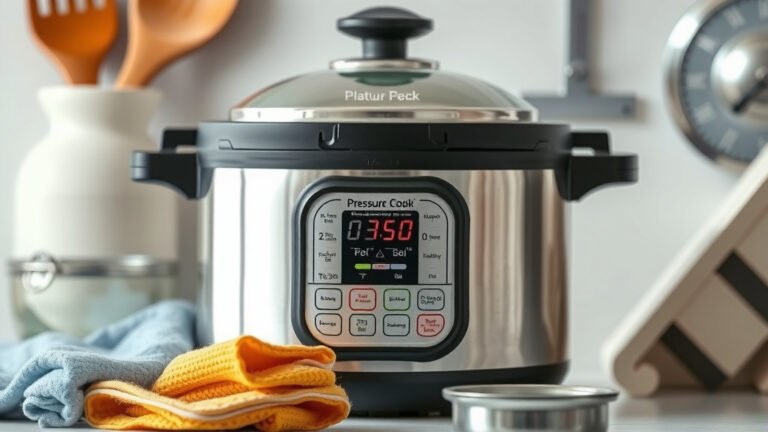
One of the biggest advantages of the Instant Pot is its advanced technology. It has a digital display and pre-programmed buttons for various foods. You select what you’re cooking, and the pot automatically adjusts time and pressure. Safety is also a huge focus. Instant Pots have multiple built-in safety mechanisms. These include a lid-locking system and an over-pressure release valve. These features work together to prevent dangerous pressure buildup. Research from consumer safety groups often highlights these integrated safety systems as a major upgrade.
Traditional Pressure Cookers: The Tried-and-True Classic
Now, let’s talk about the original. A traditional pressure cooker is a fantastic tool, but its purpose is much more focused. It’s designed primarily for one thing: pressure cooking.
Simplicity and Control
These cookers are often simpler in design. They typically have a stovetop model or an electric base. You manually control the heat source. For stovetop models, you watch the steam vent and adjust the burner to maintain the correct pressure. Electric models might have a timer, but you still often need to manage the pressure settings more directly.
Hands-On Kitchen Experience
Using a traditional pressure cooker requires more active involvement. You need to be present to monitor the pressure gauge or the steam release. If the pressure gets too high, you might need to turn down the heat. If it’s too low, you’ll increase it. This hands-on approach can be rewarding for some cooks. It gives them a direct connection to the cooking process. However, it also means you can’t just “set it and forget it” as easily.
Safety in Simplicity
While they may seem less high-tech, traditional pressure cookers have been safely used for decades. They have pressure release valves designed to vent excess steam. However, they generally lack the multiple, automated safety interlocks found in modern electric multi-cookers. Always follow the manufacturer’s instructions carefully when using an older model. Many safety guidelines recommend regular inspection of the sealing ring and valve.
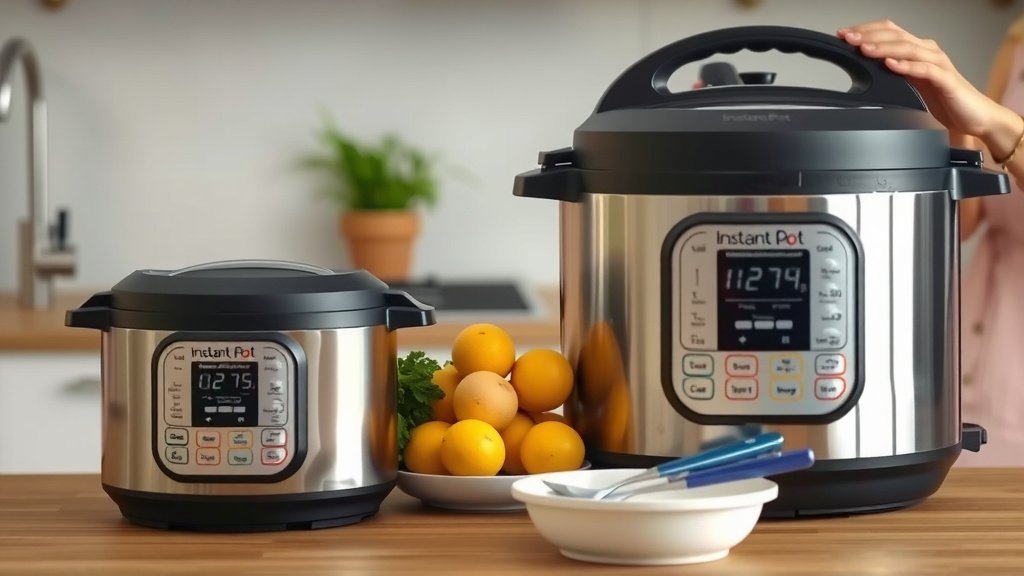
Direct Comparison: Instant Pot vs. Traditional Pressure Cooker
Let’s put them side-by-side to see the differences clearly. Think of it like comparing a smartphone to a basic flip phone. Both make calls, but one does so much more!
| Feature | Instant Pot (Multi-Cooker) | Traditional Pressure Cooker |
|---|---|---|
| Primary Function | Pressure Cooking, Slow Cooking, Rice Cooking, Steaming, Sautéing, Yogurt Making, etc. | Primarily Pressure Cooking |
| Control Type | Digital, Programmable, Pre-set buttons | Manual (Stovetop) or Basic Electric Controls |
| Safety Features | Multiple automated safety systems (lid lock, over-pressure release, etc.) | Pressure release valve(s) |
| Versatility | Very High (multiple appliances in one) | Low to Moderate (focused on pressure cooking) |
| Ease of Use | High (set-and-forget programming) | Moderate (requires more monitoring and manual adjustment) |
| Counter Space | Takes up space of one appliance | Takes up space of one appliance |
Which One is Right For You?
Your choice really depends on your kitchen habits and what you hope to achieve. Ask yourself a few questions.
Consider Your Cooking Style
Do you love experimenting with different cooking methods? Do you have limited counter space and appreciate appliances that do double or triple duty? If so, an Instant Pot is likely your winner. Its all-in-one functionality can replace several other gadgets. This makes it incredibly convenient for busy households. You can prep a meal, sauté ingredients, pressure cook it, and even keep it warm, all in the same pot.
Think About Simplicity and Budget
Are you mostly interested in faster pressure cooking for specific dishes like beans or tough meats? Do you enjoy the hands-on aspect of cooking and have the time to monitor your stovetop? A traditional pressure cooker might be perfect. They are often less expensive upfront than multi-cookers. They also don’t require any special learning curve beyond understanding pressure cooking itself. If you just want to speed up a few recipes, this could be your best bet.
A Quick Checklist to Help You Decide:
- Do you want to replace multiple kitchen appliances?
- Do you prefer digital controls and pre-set programs?
- Is automatic safety a top priority for you?
- Are you looking for maximum versatility and convenience?
- Do you have limited counter space?
If you answered “yes” to most of these, the Instant Pot’s multi-functionality will likely serve you wonderfully. If your needs are simpler and focused solely on pressure cooking, a traditional model is a solid choice.
Conclusion
You’ve learned that the core difference between an Instant Pot and a traditional pressure cooker lies in their versatility. While both cook food faster using pressure, the Instant Pot is a multi-cooker, handling tasks like slow cooking, steaming, and sautéing. Traditional pressure cookers focus solely on pressure cooking, often requiring more hands-on monitoring. If you crave convenience and want to replace multiple appliances, the Instant Pot is likely your best bet. For those who prefer a dedicated pressure cooking tool and enjoy a more manual approach, a classic pressure cooker is a fantastic choice. Decide which aligns best with your kitchen style and culinary goals!
Frequently Asked Questions
Can a traditional pressure cooker do everything an Instant Pot can?
No, a traditional pressure cooker is primarily designed for pressure cooking. While it excels at that specific function, it lacks the multi-functionality of an Instant Pot, which can also slow cook, steam, sauté, and more.
Is an Instant Pot safer than a traditional pressure cooker?
Instant Pots generally have more advanced, automated safety features, such as multiple pressure release systems and lid-locking mechanisms. Traditional pressure cookers rely on simpler safety valves, which have been used effectively for decades but require more user attention.
Which is better for beginners: Instant Pot or a traditional pressure cooker?
Many find the Instant Pot easier for beginners due to its pre-set programs and “set it and forget it” functionality. Traditional pressure cookers require more active monitoring of heat and pressure, which can have a steeper learning curve.
Are traditional pressure cookers less expensive than Instant Pots?
Typically, yes. Traditional pressure cookers, especially stovetop models, are often more budget-friendly upfront compared to the feature-rich electric Instant Pots. However, consider the combined cost of multiple appliances an Instant Pot might replace.
Can I use a traditional pressure cooker for meal prep like an Instant Pot?
You can use a traditional pressure cooker for meal prep, but it’s less convenient. You’ll need to manually manage the cooking process and might need separate appliances for tasks like sautéing or keeping food warm, unlike the all-in-one capability of an Instant Pot.