Best Meats for Slow Cooking: Tender Results Every Time
For the most tender and flavorful results in slow cooking, you’ll want to choose Understanding how slow cooking works can help you choose the best meats for tender results.tougher cuts of meat. These cuts, like chuck roast and pork shoulder, have plenty of connective tissue that breaks down beautifully over long, slow cooking times, making them incredibly tender and juicy. They are the undisputed champions for your slow cooker.
While leaner cuts can be used, they often dry out in the slow cooker. It’s about finding the right balance of fat and connective tissue. This allows the meat to become fall-apart tender without becoming stringy or dry. You want a cut that can truly benefit from hours of gentle heat.
- Chuck roast is a top choice for beef.
- Pork shoulder (Boston butt) is ideal for pork.
- Look for cuts with good marbling.
- Avoid very lean cuts for best results.
Ready to find your perfect slow-cooked meal? Let’s dive into which meats shine the brightest in your slow cooker and why.
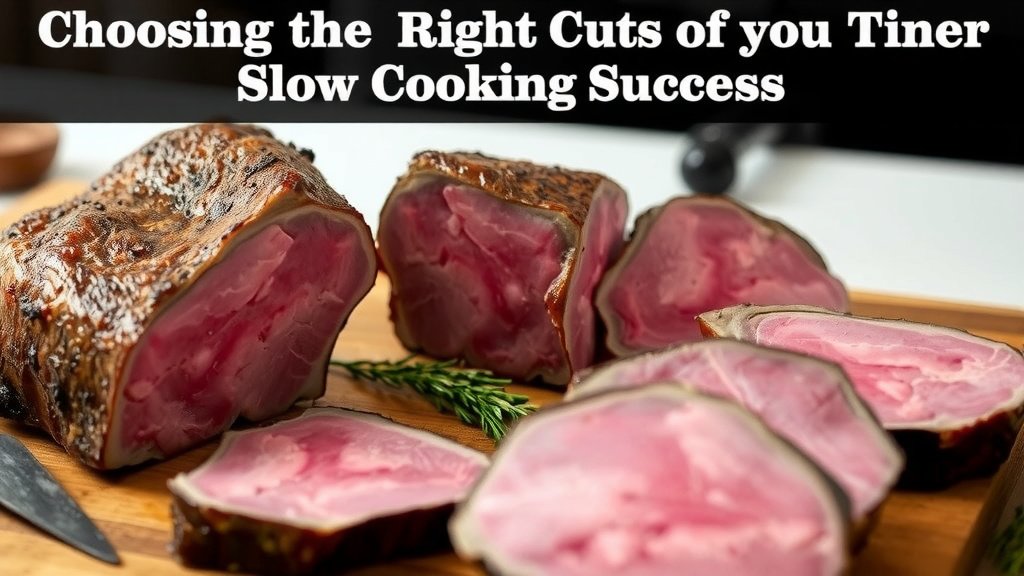
Choosing the Right Cuts for Slow Cooking Success
So, you’ve got your slow cooker ready to go, but what meat should you pop in? The secret to incredibly tender, fall-off-the-bone results lies in picking the right kind of cut. We’re talking about the tougher, more flavorful pieces that truly benefit from hours of gentle heat. These cuts often have a good amount of Our guide to the slow cooker low setting explains how long it takes for tender results.connective tissue and fat, which is exactly what you want.
Beef: The Slow Cooker’s Best Friend
When it comes to beef, certain cuts are practically made for the slow cooker. They can handle the long cooking times without drying out. In fact, they get better and better the longer they cook!
Chuck Roast: The Undisputed Champion
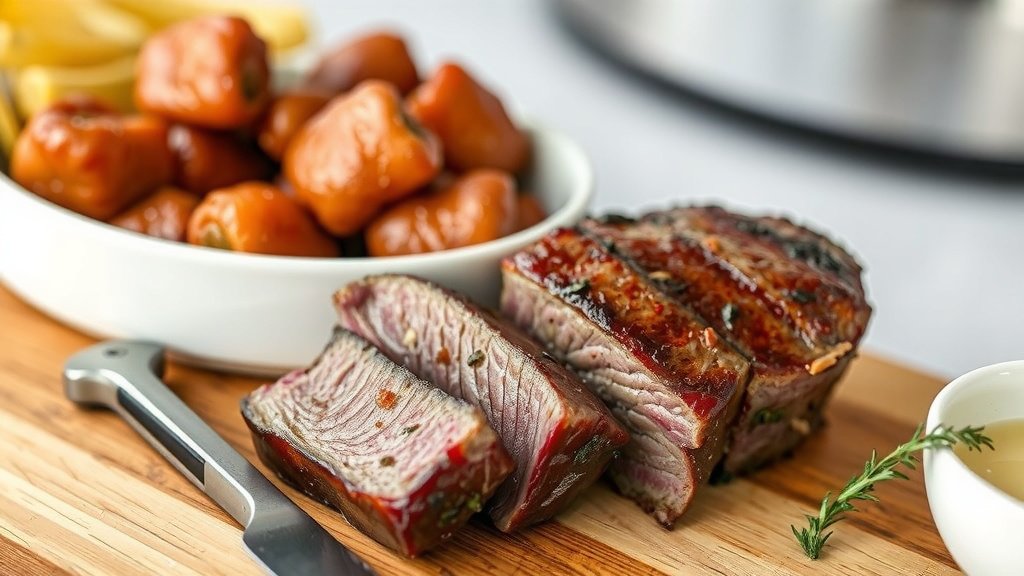
If you’re looking for a go-to beef cut, chuck roast is it. You’ll find it under several names: shoulder roast, chuck eye roast, or pot roast. What makes it so special? It’s marbled with fat and laced with tough collagen. Over hours in the slow cooker, this collagen breaks down into gelatin. This process makes the meat unbelievably tender and juicy. Many home cooks and chefs agree, chuck roast is a top pick for beef stews, pot roasts, and shredded beef recipes.
Brisket: Flavorful and Forgiving
Brisket is another fantastic choice. It’s known for its rich flavor and can become incredibly tender. While it has less marbling than chuck, it still has plenty of connective tissue. Just be sure to choose a cut that includes the fat cap. This fat will melt down and baste the meat as it cooks, adding tons of moisture and flavor. You’ll often find brisket sold as flat cut or point cut. For slow cooking, either works well, but the point cut tends to be a bit richer and more forgiving due to its higher fat content.
Round Roast: Leaner but Still Workable
Round roasts, like rump roast or bottom round, are leaner than chuck or brisket. Because they have less fat, they can dry out more easily. However, with careful attention to liquid levels and cooking time, they can still yield good results. The key here is to ensure the meat is fully submerged in liquid. You might also find them a bit less tender than chuck, but they still offer a satisfying slow-cooked meal.
Pork: Tender and Delicious
Pork also shines in the slow cooker. The same principles of fat and connective tissue apply here. You’re looking for cuts that can stand up to long, slow cooking.
Pork Shoulder (Boston Butt): The King of Pork
Just like chuck roast is king for beef, pork shoulder rules the pork kingdom in the slow cooker. Also known as Boston butt or pork butt, this cut is wonderfully marbled with fat and has plenty of tough connective tissue. This makes it perfect for pulled pork, tacos, or simply shredding for sandwiches. The long cooking time breaks down the fat and collagen, resulting in meat that is incredibly moist, tender, and flavorful. It’s almost impossible to overcook this cut in a slow cooker.
Pork Belly: Richness Personified
For an incredibly rich and decadent slow-cooked dish, consider pork belly. It’s very fatty, which means it will become amazingly tender and melt-in-your-mouth. It’s perfect for dishes where you want that intense pork flavor and a truly luxurious texture. Think of it as a treat for special occasions!
Pork Loin (Consider Carefully)
Pork loin, such as tenderloin or loin roast, is much leaner. While you can slow cook it, it requires a much shorter cooking time and careful monitoring. If cooked for too long, it will become dry and tough. If you’re set on using pork loin, research recipes specifically designed for it in the slow cooker. Often, it’s better suited for other cooking methods.
Other Meats That Do Well
While beef and pork are the most common stars, other meats can also be fantastic in your slow cooker.
Lamb Shoulder or Leg
Lamb shoulder or a bone-in leg of lamb can also be excellent choices. These cuts have the fat and connective tissue needed to become tender and flavorful over slow cooking. They are perfect for hearty stews or a comforting roast.
Chicken Thighs (Bone-In, Skin-On Preferred)
If you’re making chicken, opt for chicken thighs. They have more fat and connective tissue than chicken breasts, making them much more forgiving in the slow cooker. Bone-in, skin-on thighs will give you the most moist and flavorful results. The skin can be crisped up under the broiler after cooking for an extra treat. Chicken breasts tend to dry out quickly, so they are generally not recommended for slow cooking unless the recipe is specifically designed for them and involves very short cooking times.
What to Avoid (Generally)
You might be wondering about leaner cuts. While it’s not impossible to cook them, they often don’t fare well. Think about a lean steak like a filet mignon or sirloin. These cuts are meant for quick cooking methods like grilling or pan-searing. Their lack of fat and connective tissue means they’ll likely end up dry, tough, and stringy in the slow cooker.
If a recipe calls for a leaner cut, it’s usually for a very short cooking time. Or, the recipe might include ingredients to add moisture, like cream soups or extra liquid. For the best, most foolproof results, stick to the fattier, tougher cuts that truly benefit from the magic of slow, low heat.
A Quick Checklist for Your Next Slow Cooker Adventure:
- Look for cuts with good marbling (flecks of fat within the muscle).
- Seek out meat with plenty of connective tissue (like silverskin or membranes).
- Chuck roast for beef is a winner every time.
- Pork shoulder (Boston butt) is your best bet for pork.
- Chicken thighs are far better than breasts for slow cooking.
- When in doubt, ask your butcher for their slow-cooking recommendation!
Conclusion
You’ve learned the secret to truly amazing slow-cooked meals! It all comes down to choosing the right meat. Tougher cuts with good marbling and connective tissue, like chuck roast and pork shoulder, are your best friends in the slow cooker. They break down beautifully over hours, delivering incredible tenderness and flavor. By understanding which cuts thrive with low and slow heat, you’ll avoid dry, disappointing results. Ready to put your slow cooker to work? Your next delicious, fall-apart tender meal is just a roast away!
Frequently Asked Questions
What’s the difference between a chuck roast and a pork shoulder for slow cooking?
Both chuck roast (beef) and pork shoulder (pork butt) are excellent choices because they have abundant fat and connective tissue. This allows them to become incredibly tender and moist with long cooking times. Chuck roast is perfect for beef dishes like pot roast or shredded beef. Pork shoulder excels in pulled pork or shredded pork recipes.
Can I slow cook very lean cuts of meat like chicken breast or sirloin steak?
It’s generally not recommended. Lean cuts lack the fat and connective tissue needed to stay moist during long, slow cooking. They tend to dry out and become tough or stringy. If you must use them, look for recipes with very short cooking times or those that add extra moisture.
How can I tell if a meat cut has enough fat and connective tissue for slow cooking?
Look for marbling, which are the small flecks of white fat within the muscle. You also want cuts that have some visible silverskin or membranes. Your butcher can also help you identify the best slow-cooking cuts.
Is it okay to slow cook a bone-in or boneless cut? Which is better?
Both bone-in and boneless cuts can work well. Bone-in cuts often add extra flavor and moisture to your dish as the bones release marrow and gelatin. However, boneless cuts can be easier to shred and portion. For chicken thighs, bone-in, skin-on is usually best for maximum flavor.
If I choose a fattier cut, will my slow-cooked meal be too greasy?
Not usually! The beauty of slow cooking fattier cuts is that the fat renders down, basting the meat and making it incredibly tender and moist. You can easily skim off excess fat from the surface of the liquid before serving. This leaves you with rich flavor without an overly greasy result.