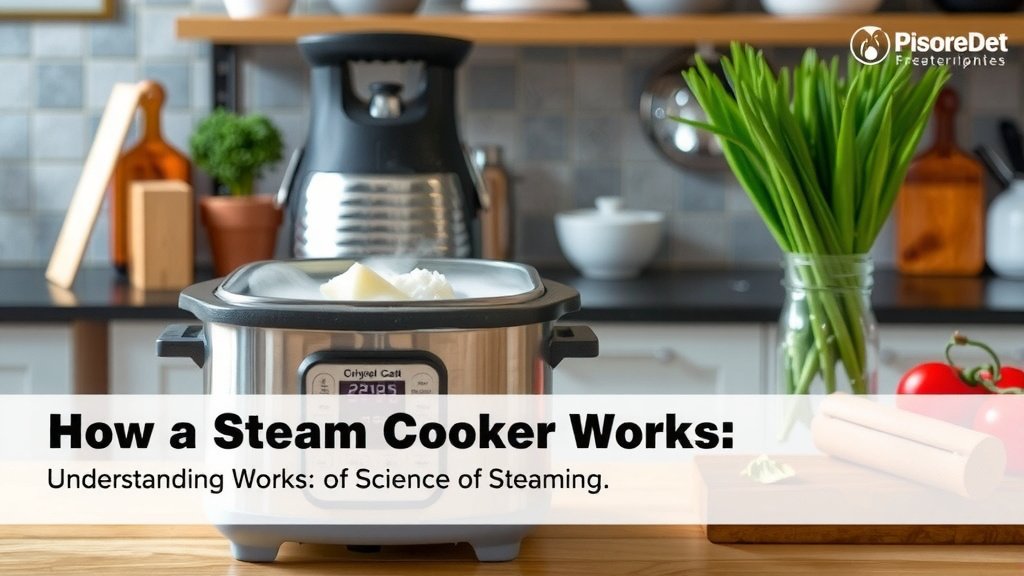
How a Steam Cooker Works: The Science of Steaming
A steam cooker works by using heat to boil water, which then creates steam. This steam rises and surrounds your food, gently cooking it with moist heat. It’s a fantastic way to retain nutrients and flavor in your meals. You’re basically cooking with water vapor, and it’s surprisingly effective for many types of food.
This simple yet effective method is why steam cooking is so popular for healthy eating. Unlike other methods that might dry out your food, steam cooking keeps things moist and tender. Many people find it’s a great way to prepare vegetables, fish, and even dumplings, ensuring they come out perfectly cooked every time.
- Steam cookers boil water to make steam.
- Steam cooks food using moist heat.
- This method helps keep food moist.
- Nutrients and flavors are often retained better.
- It’s a popular choice for healthy meals.
Let’s walk through exactly how this wonderful kitchen gadget gets the job done, step by step.
Understanding How Your Steam Cooker Works
So, you’ve got a steam cooker, and you’re wondering about the magic behind those perfectly tender vegetables and flaky fish? It’s simpler than you might think! Your steam cooker uses the power of water vapor to cook your food gently and efficiently. It’s a cooking method that’s been around for ages, but modern appliances make it incredibly easy for you.
The Core Principle: Water to Steam
At its heart, any steam cooker, whether it’s a stovetop pot with a steamer basket or an electric countertop model, relies on one fundamental process: heating water to create steam. This might sound basic, but that’s where its effectiveness lies.
The Water Reservoir and Heating Element
Every steam cooker has a water reservoir. This is where you’ll pour the water. In electric models, there’s a heating element beneath this reservoir. When you plug it in and turn it on, this element heats the water. Think of it like a mini kettle built right into your appliance.
For stovetop models, the heat comes from your range. You place the pot of water on the burner, and the flame or element underneath does the work of heating it up.
Boiling and Vaporization
Once the water reaches its boiling point (212°F or 100°C at sea level), it starts to turn into steam. This is the gaseous state of water. You’ll see it rising, looking like a translucent mist. This is the active cooking agent.
Containing the Steam
The cooker is designed to trap this steam. Whether it’s a lidded pot or a sealed electric unit, the goal is to keep the steam contained. This is crucial because the trapped steam builds up pressure and heat, creating the perfect environment for cooking. It’s like a tiny, controlled sauna for your food.
The Journey of Steam to Your Food
Now that the steam is generated and contained, how does it actually cook your food? This is where the design of the steamer basket or trays comes into play.
The Steamer Basket or Trays
Inside the cooker, above the water reservoir, you’ll find your steaming area. This is usually a perforated basket or a series of stackable trays. The perforations or gaps allow the hot steam to rise from the boiling water and circulate freely around your food. Your food never directly touches the boiling water, which is key.
Moist Heat Cooking
Steam cooks food using moist heat. Unlike dry heat methods like baking or grilling, steam surrounds the food with water vapor. This gentle, consistent heat cooks food evenly and prevents it from drying out. Many studies show that this method can help food retain more of its natural moisture and texture (USDA).
Heat Transfer in Action
When the hot steam comes into contact with the cooler food, it condenses. This condensation process releases a significant amount of heat directly onto the surface of the food. This heat transfer is what cooks your ingredients. Because steam is so efficient at transferring heat, it cooks food relatively quickly. You’ll find that many foods cook faster with steam than you might expect.
Why Steam Cooking is So Beneficial
Beyond just understanding the mechanics, knowing *why* steam cooking works so well helps you appreciate it even more. It’s about more than just boiling water.
Nutrient Retention
One of the biggest advantages of steam cooking is its ability to preserve nutrients. Many vitamins, especially water-soluble ones like Vitamin C and B vitamins, can be lost when food is boiled or cooked in large amounts of water. Since your food isn’t submerged, these nutrients are less likely to leach out into the cooking liquid. Research indicates that steaming can be a superior method for retaining these essential vitamins compared to boiling (NCBI).
Flavor and Texture Preservation
Steam gently cooks food, coaxing out its natural flavors rather than cooking them away. This means your vegetables might taste more like themselves, and delicate items like fish remain incredibly tender. The moist heat prevents the exterior from becoming tough or dry, leading to a more pleasant eating experience.
Versatility of Steam Cookers
While vegetables are a go-to for steam cookers, their use extends far beyond. You can cook:
- Fish and seafood
- Poultry
- Dumplings and bao buns
- Certain grains and rice
- Even some desserts!
The adaptability of this cooking method makes it a real workhorse in the kitchen. You can often stack different trays to cook a whole meal at once, saving you time and cleanup.
Comparing Different Steam Cooker Types
Not all steam cookers are created equal, but they all follow the same basic principles. Here’s a quick look at common types:
| Type | How it Works | Pros | Cons |
|---|---|---|---|
| Stovetop Steamer Basket | A pot with a perforated basket sits above boiling water on your stove. | Simple, affordable, easy to store. | Requires stovetop, limited capacity, need to monitor water level. |
| Electric Countertop Steamer | Has a built-in water reservoir and heating element, often with multiple tiers. | Convenient, cooks multiple foods at once, timer functions. | Takes up counter space, requires electricity. |
| Microwave Steamer (with insert) | Special containers designed to create steam in the microwave. | Very fast, compact, good for single servings. | Limited capacity, relies on microwave performance, can sometimes overcook. |
A Quick Checklist for Steaming Success
To ensure your steam cooking adventures are always a success, keep these points in mind:
- Always use enough water.
- Don’t overcrowd the steamer basket.
- Cut food into uniform sizes.
- Ensure the lid fits snugly.
- Check food for doneness early.
- Clean your cooker after each use.
By understanding the simple science behind your steam cooker, you can confidently create delicious, healthy meals every time. It’s a gentle yet powerful way to bring out the best in your ingredients.
Conclusion
You now understand the simple yet powerful science behind your steam cooker. By boiling water to create steam, you’re harnessing moist heat to cook food gently. This method is excellent for preserving nutrients, flavor, and texture, making your meals healthier and more delicious. Whether you’re using a stovetop pot or an electric unit, the core principle remains the same: water vapor is your cooking magic.
So, next time you’re planning a meal, consider the steam cooker. Try steaming a vibrant mix of your favorite vegetables alongside a piece of flaky fish. You’ll be amazed at the results you can achieve with this straightforward technique. Happy steaming!
Frequently Asked Questions
Does steam cooking really preserve more nutrients?
Yes, research shows that steaming is often better at retaining water-soluble vitamins compared to boiling. Because your food isn’t submerged, these nutrients are less likely to leach out into the water. This makes it a great choice for getting the most from your produce.
Can I cook foods other than vegetables in a steam cooker?
Absolutely! Steam cookers are surprisingly versatile. You can successfully cook fish, seafood, poultry, dumplings, bao buns, and even some grains and desserts. Many models allow you to stack tiers, enabling you to cook an entire meal at once.
What is the difference between stovetop and electric steam cookers?
Stovetop models use a pot and basket that sit on your range to heat water, while electric models have a built-in water reservoir and heating element. Electric steamers often come with timers and multiple tiers for cooking convenience, though they require counter space and electricity.
Why does my food sometimes come out mushy when steamed?
Mushy food is often a sign of overcrowding the steamer basket or cooking for too long. Ensure there’s enough space for steam to circulate around each piece of food. Cutting ingredients into uniform sizes also helps them cook evenly, preventing some pieces from becoming overcooked and mushy while others are still raw.
How much water should I put in my steam cooker?
Always check your steam cooker’s manual for specific recommendations. Generally, you want enough water to generate steam for the entire cooking time without boiling dry. For most stovetop models, filling the bottom pot about one-third to one-half full is usually sufficient.