Essential Pressure Cooker Safety Tips for Home Cooks
Yes, pressure cookers are generally safe to use if you follow the instructions. Modern pressure cookers have many safety features, like locking lids and pressure release valves. Proper usage is key to preventing accidents and enjoying quick, delicious meals.
Many people worry about pressure cooker dangers, but they are very reliable kitchen tools. Understanding how your cooker works and performing simple maintenance can ensure a safe cooking experience. We found that these appliances have come a long way in terms of safety technology.
- Always read your manual.
- Check the gasket regularly.
- Never overfill the cooker.
- Ensure the vent is clear.
- Use the correct heat setting.
Ready to cook with confidence? Below, we’ll walk you through the essential pressure cooker safety tips to keep your kitchen mishaps to a minimum. Our guide to pressure cooker PSI explains how to cook with confidence and understand your cooker’s power.
Mastering Your Pressure Cooker: Essential Safety Practices
Using a pressure cooker can be a fantastic way to slash your cooking times. You can turn tough cuts of meat tender in minutes! But like any kitchen appliance, especially one that builds heat and steam, safety is top of mind. We want you to feel confident and secure every time you whip up a meal. Let’s go over the key steps to ensure your pressure cooker journey is a safe and delicious one.
Getting Started: The Manual is Your Best Friend
Before you even think about adding ingredients, the first step is to read your owner’s manual. Seriously. Every pressure cooker is a little different. The manual is tailored specifically to your model. It will detail its unique features, warnings, and operating instructions. We found that skipping this step is the most common reason for minor mishaps.
Think of it like learning to drive a new car. You wouldn’t just hop in and hit the gas, right? You’d check the mirrors, adjust the seat, and maybe glance at the dashboard. Your pressure cooker manual is your car’s instruction booklet. It’s packed with information you need to operate it safely and efficiently. It covers everything from assembly to routine cleaning.
Understanding Your Pressure Cooker’s Anatomy
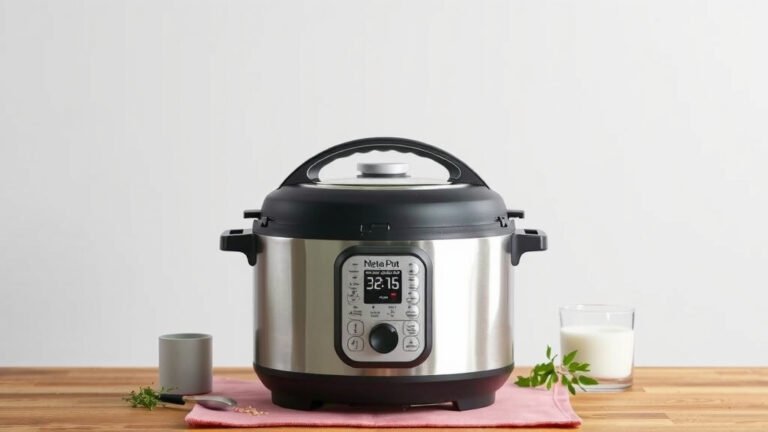
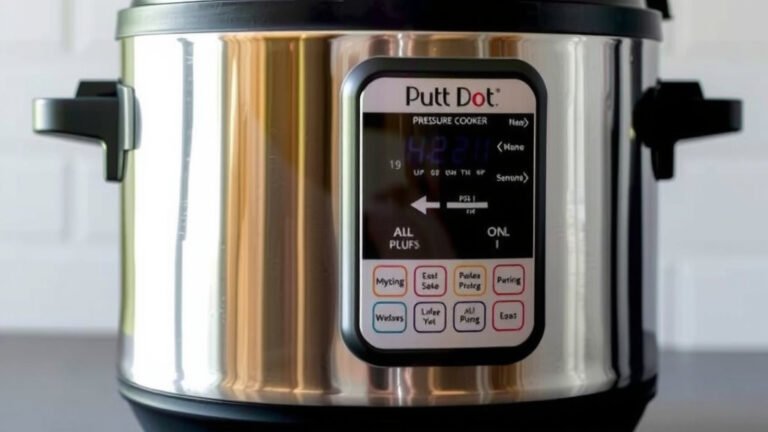
A pressure cooker has several key parts that work together to cook your food quickly and safely. Knowing what each part does is vital for proper use and maintenance.
The Gasket: Your Sealing Superstar
The gasket, often a rubber or silicone ring, sits around the rim of the lid. Its job is to create an airtight seal. This seal is what allows the pressure to build inside the cooker. Without a good seal, your cooker won’t reach the proper temperature for cooking.
Check the gasket before every use. Look for any cracks, tears, or stiffness. A damaged gasket can leak steam, preventing the cooker from pressurizing correctly. It can also be a sign that it’s time for a replacement. Many manufacturers recommend replacing the gasket every 6-12 months, depending on usage (Cleveland Clinic).
The Vent Pipe and Regulator: Letting Off Steam (Safely!)
This is where the magic of pressure release happens. The vent pipe allows excess steam to escape, controlled by a pressure regulator. You need to ensure this area is always clear.
Always check that the vent pipe is free of any blockages. Food particles, dried sauces, or even small pieces of herbs can get lodged here. If the vent is blocked, pressure can build up too high, which is a dangerous situation. We found that rinsing the vent pipe after each use helps prevent buildup.
The Safety Valves: Your Backup System
Modern pressure cookers have multiple safety valves. These are designed to release excess pressure if the primary vent system fails. They act as a failsafe. For example, some cookers have a small plug that will pop out if pressure gets too high.
Make sure you understand where your safety valves are. Keep them clean and unobstructed. If a safety valve ever pops out during cooking, immediately remove the cooker from the heat. Let it cool completely before attempting to open it. This is a sign that something went wrong and requires attention.
Proper Filling: Not Too Much, Not Too Little
This is a really important rule that many people overlook. Overfilling your pressure cooker is one of the quickest ways to create a mess, or worse, a hazard.
The “Two-Thirds Rule”
Most pressure cooker manuals suggest filling the pot no more than two-thirds full with food and liquid. For foods that expand, like rice or beans, you should fill it even less, typically no more than half full.
Why is this so critical? When food and liquid reach this level, there’s still enough headspace for steam to circulate freely. This steam is what creates the pressure. If you fill it too high, the food can block the vent pipe. This can lead to a dangerous buildup of pressure. We found that using measuring cups for liquids and watching the fill lines inside your cooker helps immensely.
The Role of Liquid
You always need liquid in a pressure cooker. The liquid turns into steam, which cooks your food. Without enough liquid, the cooker can overheat. It can also scorch your food and damage the pot. Check your recipe and manual for the minimum liquid requirements.
Generally, you need about 1 cup of liquid for most recipes. However, this can vary. Foods with high water content, like tomatoes or zucchini, might require less added liquid. Always ensure there’s enough to generate steam but not so much that you risk overfilling. You don’t want a steam explosion!
Heating and Cooking: Finding the Right Balance
The heat setting is another key factor in safe and effective pressure cooking.
Starting the Pressure Build-Up
Begin heating your pressure cooker on a medium-high heat setting. This helps the liquid reach a boil and start producing steam quickly. You want to get to pressure efficiently.
Once your cooker reaches the desired pressure (indicated by the pressure regulator or gauge), it’s time to adjust the heat. Most recipes will instruct you to reduce the heat to maintain that pressure. It’s often a low to medium-low setting. You want to hear a gentle hiss or see a slow, steady release of steam.
Maintaining Pressure Safely
If you keep the heat too high after reaching pressure, you’ll create too much steam. This can cause the pressure regulator to release steam constantly. It can also potentially lead to over-pressurization. If the heat is too low, the cooker might lose pressure. This will affect your cooking time and the texture of your food.
We found that it takes a little practice to find the sweet spot for your stove. Listen to the cooker. You’re looking for a steady, gentle release of steam. Not a violent eruption, and not complete silence after it’s supposed to be pressurized. If you’re unsure, err on the side of slightly lower heat. It’s always easier to turn it up a notch than to deal with a pressure surge.
Releasing Pressure: Patience is a Virtue
This is perhaps the most critical step for safety. Never, ever force open a pressure cooker. You must allow the pressure to release correctly.
Natural Pressure Release (NPR)
This is the gentlest method. You simply turn off the heat and let the cooker sit undisturbed. The pressure will gradually decrease on its own. This can take anywhere from 10 to 30 minutes, depending on the amount of food and liquid.
NPR is ideal for meats, beans, and grains. It allows the food to rest and reabsorb moisture. This results in more tender and flavorful dishes. Many experts suggest this method whenever possible (Mayo Clinic).
Quick Pressure Release (QPR)
For vegetables and quick-cooking items, you might use QPR. Once cooking is complete, you carefully move the pressure regulator to the vent position. This releases the steam rapidly. Be cautious during this process. Stand back and keep your hands and face away from the steam vent. Use oven mitts to handle the regulator if needed.
Never use QPR for large cuts of meat or foods that can expand, like rice or beans. The rapid release can cause them to break apart or become mushy. It can also cause hot liquid to spurt out forcefully.
Cold Water Release (Manual Dependent)
Some older models might suggest running cold water over the lid to release pressure. However, most modern manufacturers advise against this. Running water on a hot metal pot can cause it to warp. It can also be a safety hazard if water gets into the vents. Always check your manual to see if this method is recommended for your specific cooker.
A Quick Safety Checklist
Before you start cooking your next pressure cooker masterpiece, run through this quick checklist:
- Is the gasket clean, free of damage, and properly seated?
- Are the vent pipe and safety valves clear of any obstructions?
- Have you checked the fill level to ensure it’s not more than two-thirds full?
- Is there adequate liquid in the cooker for steam generation?
- Do you know which pressure release method you will use and how to do it safely?
- Are you keeping children and pets away from the cooker while it’s under pressure?
Conclusion
You’ve learned how to safely operate your pressure cooker. Mastering these safety tips ensures you can enjoy faster, more flavorful meals. Always remember to read your manual and check your cooker’s parts before each use. Proper filling and mindful pressure release are key. You’re now ready to cook with confidence and peace of mind. Try a new recipe tonight, knowing you’re protected!
Frequently Asked Questions
What should I do if my pressure cooker starts steaming excessively?
Excessive steaming usually means the heat is too high after reaching pressure. Immediately reduce your stove’s heat setting. You want a gentle, steady release of steam, not a forceful one. If it continues, turn off the heat and let it cool down.
Can I use my pressure cooker if the lid seems a little loose?
No, absolutely not. A secure, airtight seal is essential for pressure buildup. If the lid feels loose, check that the gasket is properly seated and free of damage. Do not use the cooker until you achieve a tight seal.
How often should I replace the gasket on my pressure cooker?
The frequency depends on usage, but most manufacturers suggest replacing the gasket every 6 to 12 months. Look for signs of wear like cracks, stiffness, or a poor seal. A worn gasket is a common reason for pressure issues.
Is it safe to cook when children or pets are in the kitchen?
It’s best to keep children and pets away from the pressure cooker while it’s operating. The cooker becomes very hot, and sudden steam release can cause burns. Ensure your cooking area is clear of distractions and potential hazards.
What if I forget to add liquid before turning on the pressure cooker?
Turn off the heat immediately if you realize you forgot liquid. Allow the cooker to cool completely before opening. Adding liquid to a hot, empty pressure cooker can cause it to scorch. Always add the correct amount of liquid as per your recipe.