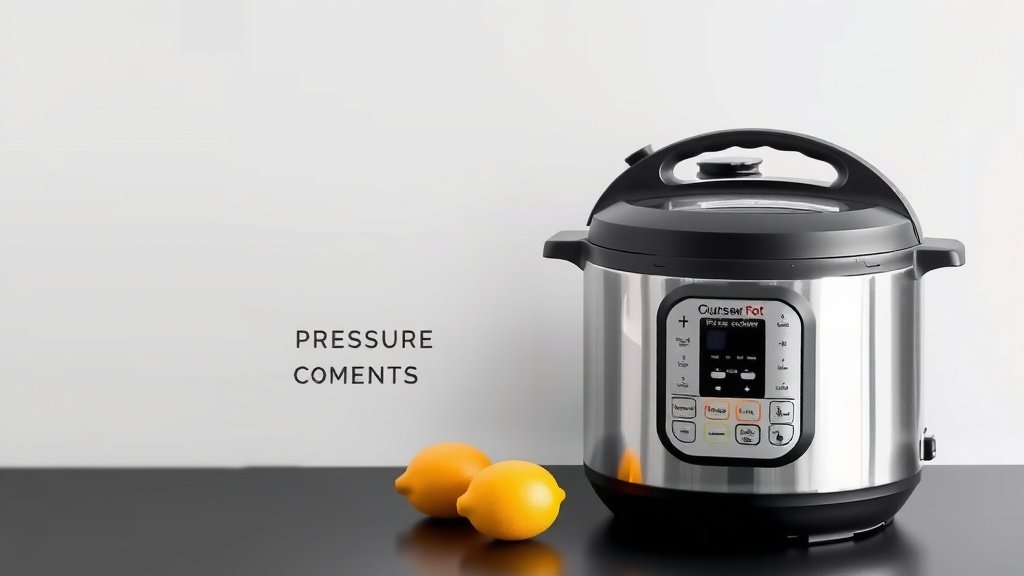
Pressure Cooker Liquid Amounts: What You Need to Know
You can use 1/2 to 2/3 full with liquid in most pressure cookers, but always check your cooker’s manual for specific guidelines. Most recipes aim for around the 1/2 mark. Never fill it higher than the 2/3 line, as this can prevent proper sealing and steam buildup.
Understanding the right liquid amount is key to safe and effective pressure cooking. Too little liquid can cause your cooker to overheat and potentially damage it. Too much can lead to a watery dish or prevent it from reaching pressure. We found that adhering to the fill line ensures your food cooks evenly and your appliance works as intended.
- Generally, fill your pressure cooker 1/2 to 2/3 full.
- Always consult your specific pressure cooker’s manual.
- Never fill past the maximum fill line (usually 2/3).
- Too little liquid can damage your cooker.
- Too much liquid can affect cooking results.
Let’s get into the specifics of why these guidelines matter and what to do in different situations.
Here’s the main body content for your blog post:Understanding Your Pressure Cooker’s Liquid Needs
So, you’ve got your pressure cooker ready to go, but you’re wondering about the liquid. It’s a super important detail! The amount of liquid you use is more than just a number. It directly affects how your food cooks and how safely your appliance operates. Let’s break down why getting this right is key.
Why Liquid is Essential for Pressure Cooking
Think of the liquid as the engine of your pressure cooker. When you heat the liquid, it turns into steam. This steam is what builds the pressure inside the pot. This high pressure allows food to cook much faster than on the stovetop. Without enough liquid, you won’t create enough steam. That means your cooker might not reach the right temperature. It could also lead to your food burning on the bottom.
The Golden Rule: Check Your Manual!
Every pressure cooker is a little different. Your specific model has design features that dictate its liquid requirements. That’s why the manual is your best friend here. It will clearly state the minimum and maximum fill lines. It might even have specific notes for different types of cooking. Always give that manual a good read before you start cooking.
What If You Can’t Find Your Manual?
No worries if your manual has gone AWOL! Most modern electric pressure cookers have obvious markings inside. Look for a line that says “MAX FILL” or has a series of dots. This line is usually around two-thirds of the way up the pot. For stovetop models, it’s often a bit lower, closer to the halfway mark. If in doubt, err on the side of caution and use less liquid rather than more.
General Guidelines for Liquid Amounts
While your manual is the ultimate authority, general guidelines can help you get started. For most recipes, you’ll want to fill your pressure cooker between 1/2 and 2/3 full. This range provides enough liquid to create steam but leaves room for expansion and proper sealing.
Why the 1/2 Full Mark is Often Recommended
Many recipes are developed with the 1/2 full mark in mind. This is a safe bet for most dishes, especially those that don’t release a lot of their own liquid, like grains or tough cuts of meat. It ensures sufficient steam generation for effective cooking. Plus, it gives you plenty of headspace, which is vital for preventing messy boil-overs.
The 2/3 Full Mark: When and Why
You might fill your pressure cooker closer to the 2/3 full mark when you’re cooking items that produce a lot of liquid. Think of things like stews with high water content or certain vegetables. Even then, be mindful of the “MAX FILL” line. Exceeding this can cause issues with the lid sealing. It might also lead to food particles getting into the steam vent. This can clog it up, which is a safety hazard.
The Dangers of Too Little Liquid
Using too little liquid is a common mistake. It can lead to a few problems. First, your cooker might not build enough pressure. This means your food won’t cook properly. It might also take much longer than expected. More seriously, a lack of liquid can cause the bottom of the pot to overheat. This can scorch your food. It can even damage the heating element in electric models. Imagine trying to boil water in a dry pan – that’s the kind of heat you risk.
The Pitfalls of Too Much Liquid
On the flip side, too much liquid can also cause trouble. If you fill the cooker too high, steam can’t build up properly. The excess liquid can also prevent the lid from sealing correctly. You might find that your pressure cooker never actually reaches pressure. This leads to undercooked food. Another issue is that your food can turn out watery. For dishes like risotto or beans, this can really affect the texture and flavor. You might end up with more of a soupy consistency than you intended.
Liquid Needs for Different Foods: A Quick Guide
The type of food you’re cooking can influence your liquid needs. Here’s a general idea:
| Food Type | Typical Liquid Amount | Notes |
|---|---|---|
| Grains (Rice, Quinoa) | 1/2 to 2/3 full | Follow specific grain-to-liquid ratios from recipes. |
| Beans (Dried) | 1/2 full | Soaked beans need less liquid than unsoaked. |
| Meats (Roasts, Stews) | 1/2 full | Meat releases its own juices; don’t overdo the added liquid. |
| Vegetables | 1/4 to 1/2 full | Vegetables are mostly water; they cook quickly with minimal liquid. |
| Soups | 2/3 full (MAX) | Ensure you don’t go over the MAX FILL line. |
What About the Liquid Already in Your Food?
Don’t forget that many foods contain natural liquids. For example, when you cook a pot roast, the meat will release its own juices. Many vegetables, like tomatoes or onions, also release water as they cook. When you’re following a recipe, it usually accounts for this. If you’re creating your own recipe, it’s good to keep this in mind. You might need slightly less added liquid than you think. This is especially true for recipes with lots of produce.
Pressure Cooker Checklist: Liquid Edition
To make sure you’re always using the right amount of liquid, keep this quick checklist handy:
- Always check your pressure cooker’s manual first.
- Use between 1/2 and 2/3 full for most recipes.
- Never fill past the MAX FILL line (usually 2/3).
- Start with less liquid if unsure, especially with watery foods.
- Remember that food releases its own juices.
- If in doubt, consult a trusted recipe or online resource for your specific food.
Conclusion
You’ve learned that the amount of liquid in your pressure cooker is a critical factor for success. Sticking to the 1/2 to 2/3 full guideline, and always checking your manual, ensures safety and optimal cooking. Too little liquid risks damaging your appliance, while too much can lead to watery dishes. By understanding these basics, you’re well on your way to mastering pressure cooking. Now, go ahead and confidently whip up your next delicious meal!
Frequently Asked Questions
Can I use water if my recipe doesn’t call for liquid?
Yes, water is the most common liquid used in pressure cooking. It’s essential for creating the steam needed to build pressure. Just make sure you’re using enough water according to the general guidelines or your recipe’s instructions.
What happens if I accidentally overfill my pressure cooker with liquid?
Overfilling can prevent your pressure cooker from reaching pressure correctly. The excess liquid might also escape through the vent, creating a mess. In severe cases, it could even damage the sealing mechanism or clog the steam vent, which is a safety concern.
Do I need to add extra liquid for dried beans that haven’t been soaked?
Generally, yes. Unsoaked dried beans absorb more liquid during cooking. Your recipe should specify the amount, but expect to use more liquid than you would for soaked beans to ensure they cook properly and don’t scorch.
How does the type of food affect the amount of liquid needed?
Foods like vegetables and many meats release their own juices as they cook. This means you’ll likely need less added liquid for these items compared to dry ingredients like grains or unsoaked beans. Always consider the natural water content of your ingredients.
Is it okay to use broth or stock instead of water?
Absolutely! You can substitute broth or stock for water in most pressure cooker recipes. This will add extra flavor to your dish. Just be mindful that some broths can be high in sodium, so adjust seasonings accordingly.