How Much Rice Per Person for Your Rice Cooker
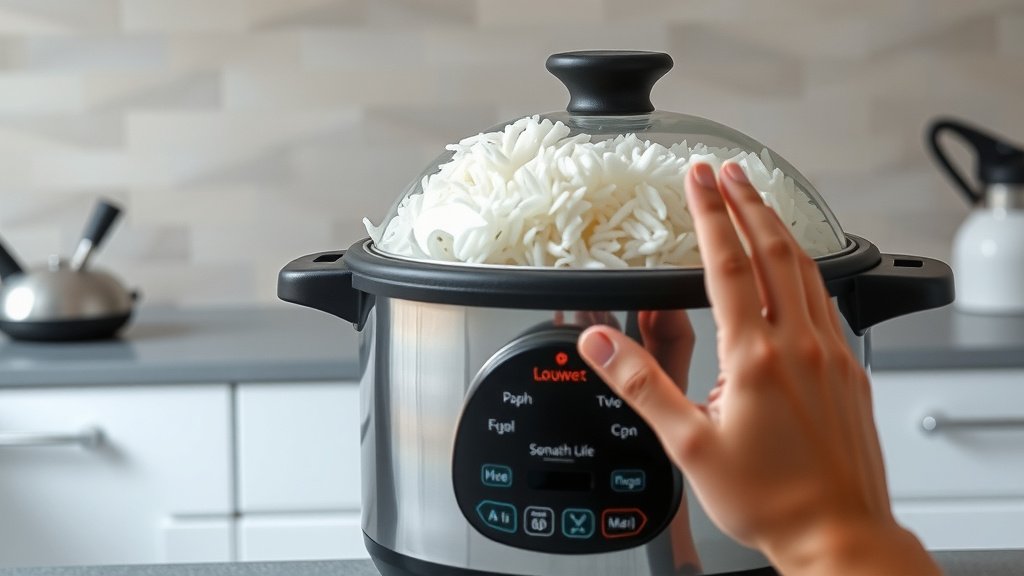
For most people, the perfect amount of uncooked rice for a rice cooker is about 0.5 to 0.75 cups per person. This typically yields around 1 to 1.5 cups of cooked rice, which is a good standard serving. We found this amount works well for both moderate and hearty appetites, ensuring no one goes hungry and you don’t end up with too many leftovers. Always check your rice cooker’s instructions for its specific recommended ratios.
Understanding your rice-to-water ratio is key to fluffy, delicious rice every time. This basic measurement can be adjusted based on the type of rice you’re cooking and how much you want to make. For instance, larger meals or guests might need a bit more, while a single person might opt for less. Getting the portion right means less waste and more enjoyment.
TL;DR:
- Standard serving: 0.5 to 0.75 cups uncooked rice per person.
- Yields: Roughly 1 to 1.5 cups cooked rice per person.
- Adjust based on appetite and number of guests.
- Always follow your rice cooker’s guide.
- Different rice types may need slight ratio adjustments.
Ready to get your portions just right? Below, we’ll break down exactly how much rice you should cook per person in your rice cooker, along with tips for perfect results.
Figuring Out Your Rice Portions for the Cooker
So, you’re ready to whip up some rice but aren’t quite sure how much to toss into your rice cooker? We’ve all been there, staring at a bag of uncooked grains, wondering if you’ll have enough for everyone or if you’ll be cleaning out leftovers for days. The good news is, getting this right is simpler than you think.
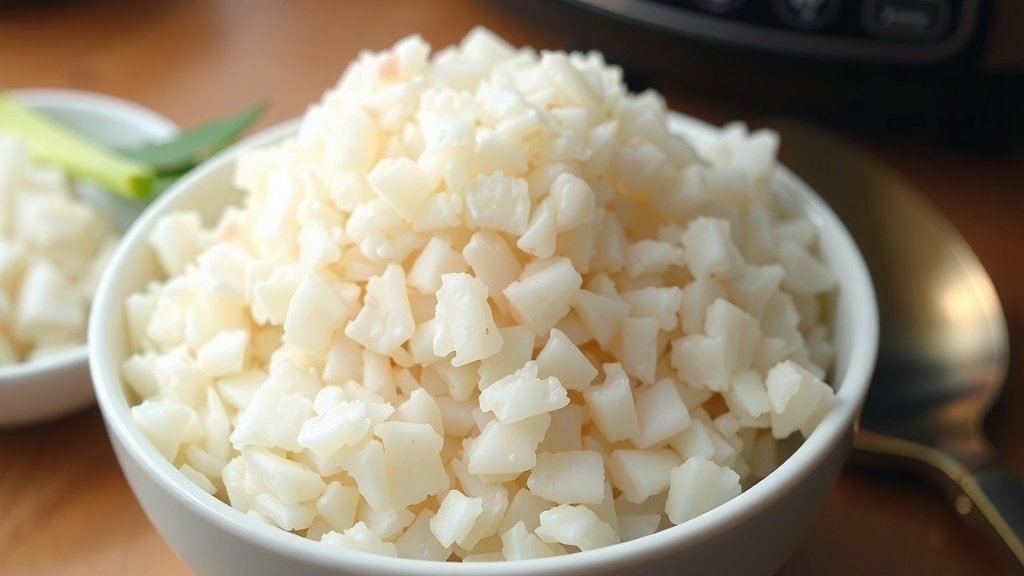
Generally, aiming for about 0.5 to 0.75 cups of uncooked rice per person is a solid starting point. This is the measurement that usually lands you around 1 to 1.5 cups of fluffy, cooked rice per individual. This range often caters to both average appetites and those who enjoy a heartier helping. It’s a great way to ensure everyone at your table gets a satisfying portion without much fuss.
Understanding Rice Yields: Uncooked vs. Cooked
It’s important to remember that uncooked rice expands quite a bit when cooked. Think of it like popcorn – a tiny kernel transforms into a much larger fluffy snack. Uncooked rice can nearly triple or even quadruple in volume and weight after absorbing water.
This means that 1 cup of uncooked rice will give you roughly 2 to 3 cups of cooked rice. This is why using the 0.5 to 0.75 cup uncooked measure per person works so well. It accounts for this natural expansion, so you’re not trying to cram too much into your cooker or end up with a mountain of rice.
Why This Measurement Matters
Getting your portions dialed in means less food waste. When you cook too much, perfectly good rice often ends up in the trash. This isn’t great for your wallet or the environment.
On the flip side, not cooking enough can lead to disappointment. Nobody wants to be the one who missed out on seconds! Having a good estimate prevents these common kitchen mishaps. We found that sticking to these guidelines usually results in just the right amount for most meals.
Factors Influencing Your Rice Serving Size
While 0.5 to 0.75 cups per person is a fantastic baseline, you might find yourself needing to adjust it. Life happens, and so do appetites!
Appetite Levels: Are You Feeding Snackers or Big Eaters?
Consider the folks you’re serving. Are they light eaters who prefer smaller portions? Or are you hosting guests known for having hearty appetites? For smaller appetites, you might lean towards the lower end of the range, around 0.5 cups uncooked rice per person.
If you know you’re serving people who love a good meal, go for the 0.75 cups, or even a little more. It’s better to have a tiny bit of perfect rice left over than to run out. We found this flexibility is key to happy diners.
The Meal Itself: Is Rice the Star or a Sidekick?
Think about what else you’re serving. If rice is the main event, perhaps in a stir-fry or a rice bowl where it forms the bulk of the dish, you’ll want to be more generous with your portions. You might even bump it up to 1 cup of uncooked rice per person in these cases.
However, if the rice is simply accompanying a large portion of chicken, fish, or a hearty stew, you can probably stick to the standard 0.5 to 0.75 cups. The other dishes will fill people up. This is a common strategy recommended by many home cooks and chefs.
Number of People and Leftover Preferences
This might seem obvious, but multiplying your per-person amount by the number of diners is your first step. If you’re cooking for a family of four with moderate appetites, you’d likely aim for 2 to 3 cups of uncooked rice. Use your rice cooker’s fill lines for guidance if you’re unsure how much that is.
And what about leftovers? Do you love having rice for lunch the next day? If so, cook a little extra! Planning for leftovers means you can enjoy that perfectly cooked rice again without any extra effort. Many find this a real time-saver during busy weeks.
Getting the Water Ratio Right: The Secret to Perfect Rice
Once you know how much rice to measure, the next critical step is adding the correct amount of water. This ratio is what transforms those hard little grains into tender, fluffy perfection. Get it wrong, and you might end up with mushy or crunchy rice.
Standard Rice-to-Water Ratios
For most common types of white rice (like long-grain or medium-grain), a 1:1.5 or 1:2 ratio of rice to water is a good starting point. This means for every 1 cup of uncooked rice, you’ll add 1.5 to 2 cups of water.
Your rice cooker manual is your best friend here. It will often have specific markings inside the pot or a chart detailing the exact water levels for different amounts of rice. Following these manufacturer recommendations is usually the most reliable method, as they are designed for your specific appliance.
Different Rice Types, Different Needs
Not all rice is created equal when it comes to cooking. Different varieties absorb water differently.
- White Rice: Generally uses a 1:1.5 to 1:2 water ratio.
- Brown Rice: It has the bran layer intact, so it needs more water and a longer cooking time. A 1:2 or 1:2.5 ratio is common.
- Basmati or Jasmine Rice: These aromatic grains often benefit from slightly less water, around 1:1.25 or 1:1.5, to keep them distinct and fluffy.
- Sushi Rice: This short-grain rice typically uses a 1:1 or 1:1.25 ratio for that characteristic sticky texture.
We found that experimenting slightly within these ranges can help you achieve your personal ideal texture. Don’t be afraid to try a bit more or less water next time if your first batch isn’t quite right.
Rinsing Your Rice: Does it Really Matter?
Many cooks swear by rinsing rice before cooking. This process removes excess surface starch, which can prevent the grains from clumping together and becoming gummy. For fluffy, separate grains, especially with white rice, rinsing is often recommended.
To rinse, place your measured rice in a fine-mesh sieve and run cool water over it, swirling the grains with your fingers, until the water runs mostly clear. Drain it well before adding it to your rice cooker. This step is particularly helpful for varieties like basmati or jasmine.
A Quick Guide to Portioning Your Rice Cooker
Let’s simplify this with a handy checklist. Use this as a quick reference when you’re prepping your rice:
- Assess Your Crowd: Are they big eaters or light eaters?
- Consider the Meal: Is rice the main dish or a side?
- Standard Starting Point: Aim for 0.5 to 0.75 cups of UNCOOKED rice per person.
- Water Ratio: Check your rice cooker manual, but 1:1.5 to 1:2 (rice:water) is typical for white rice.
- Rice Type Matters: Adjust water for brown, basmati, or sushi rice as needed.
- Rinse for Fluffiness: Consider rinsing white rice to prevent stickiness.
| Rice Type | Uncooked Rice Per Person | Approx. Cooked Rice Per Person |
|---|---|---|
| White Rice (Standard) | 0.5 – 0.75 cups | 1 – 1.5 cups |
| Brown Rice | 0.5 – 0.75 cups | 1 – 1.25 cups (denser) |
| Aromatic Rice (Basmati, Jasmine) | 0.5 – 0.75 cups | 1 – 1.5 cups |
Conclusion
You’ve learned the essentials for perfectly portioning your rice cooker. Remember, 0.5 to 0.75 cups of uncooked rice per person is your reliable starting point. Always consider your guests’ appetites and what other dishes you’re serving. Getting the rice-to-water ratio right, and perhaps rinsing your grains, will ensure fluffy, delicious results every time. Now you can confidently prepare rice that’s just right, minimizing waste and maximizing satisfaction at your table. Your next rice-cooked meal is sure to be a hit!
Frequently Asked Questions
Can I just use the same amount of rice for everyone?
While 0.5 to 0.75 cups of uncooked rice per person is a great general guideline, it’s wise to adjust based on appetite. If you know you’re serving big eaters, lean towards the higher end. For lighter meals or those with smaller appetites, the lower end of the range is usually sufficient.
What happens if I cook too much rice?
Cooking too much rice means you’ll have leftovers. While this can be great for lunch the next day, excess rice that doesn’t get eaten can end up as food waste. It’s better to aim for just enough, with a small buffer for seconds, rather than a large surplus.
How much cooked rice should I expect from one cup of uncooked rice?
Generally, one cup of uncooked rice will expand to about two to three cups of cooked rice. This expansion is why you measure uncooked rice – it accounts for the significant increase in volume once water is absorbed during cooking.
Is rinsing rice really that important for portion control?
Rinsing rice doesn’t directly impact portion control, but it does affect the texture of your cooked rice. It helps remove excess starch, leading to fluffier, less sticky grains, which can make your portion feel more satisfying and enjoyable.
My rice cooker has lines inside; should I use those instead of cups?
Absolutely! Your rice cooker’s internal markings are designed for that specific appliance and often account for both the rice and water levels needed. Using these lines is often the most accurate way to ensure the correct ratio and amount for your cooker.