Slow Cooker Energy Use: How Much Electricity
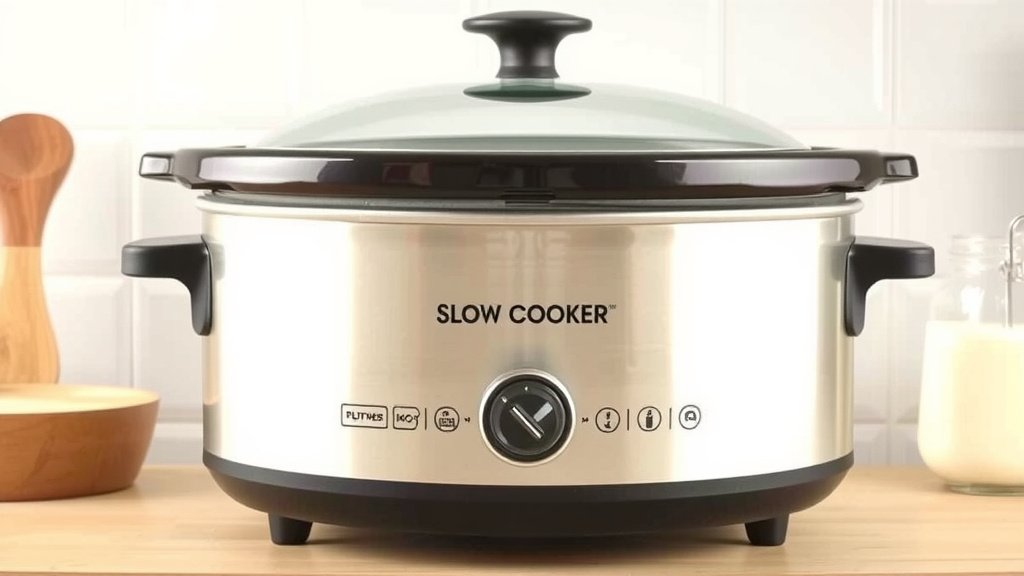
So, you’re wondering: how much electricity does a slow cooker use? You’ll be happy to know they are quite energy-efficient! A typical slow cooker uses about 75 to 150 watts on the low setting and 150 to 225 watts on the high setting. That’s less than many light bulbs!
Compared to other kitchen appliances, your trusty slow cooker is a real energy saver. It uses a fraction of the power of an oven or electric stovetop. This makes it a budget-friendly way to prepare delicious meals, especially when you cook for longer periods. You can enjoy those hearty stews and roasts without worrying about a huge jump in your electricity bill, making it a smart choice for busy households.
- Slow cookers are very energy-efficient.
- They use less power than a typical light bulb.
- Costs are low, especially for long cooking times.
- They are cheaper to run than ovens or stovetops.
Ready to see just how little your slow cooker impacts your bill? Let’s break down the numbers and talk about what influences its energy usage.
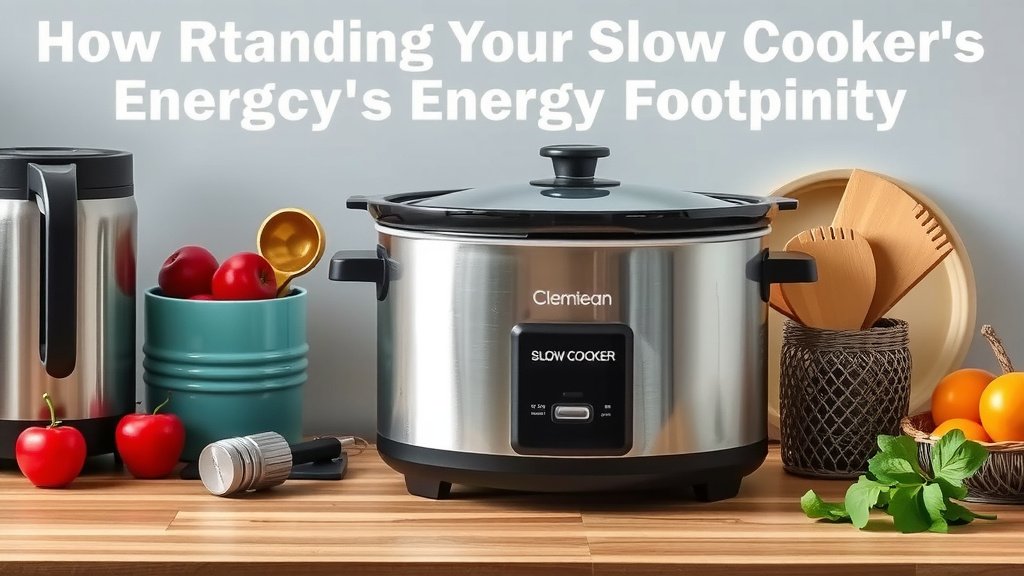
Understanding Your Slow Cooker’s Energy Footprint
You’re likely curious about how much electricity your slow cooker actually uses. It’s a great question for anyone mindful of their home energy consumption. The good news is that slow cookers are remarkably energy-efficient. They’re designed to cook food gently over a long period, which requires less power than you might think. We’ve found that their energy usage is quite low compared to many other kitchen appliances you probably use daily.
Wattage: The Key to Energy Consumption
The primary factor determining how much electricity your slow cooker uses is its wattage. Wattage is a measure of power. Think of it like the “strength” of the electrical current it draws. Generally, slow cookers fall into a specific wattage range. We found that most models operate between 75 and 225 watts.
Low vs. High Settings
You’ll notice your slow cooker has different settings, usually “Low” and “High.” These settings affect the wattage. The low setting typically uses less power, often around 75 to 150 watts. This is ideal for dishes that need to cook for many hours, like roasts or beans. The high setting uses more power, usually between 150 and 225 watts. This setting is for when you need your food to cook faster, perhaps in 3-4 hours.
Keep Warm Function
Many slow cookers also have a “Keep Warm” setting. This function uses the least amount of energy. It’s designed to maintain a safe temperature for your food without continuing to cook it. Its wattage is usually even lower than the “Low” setting, often around 50-75 watts. This means you can leave food in the slow cooker for a bit after it’s done without using much extra electricity.
Comparing Slow Cooker Wattage to Other Appliances
To really put the slow cooker’s energy use into perspective, let’s compare it to other common kitchen items. This comparison often surprises people! You might be using appliances that draw significantly more power without even realizing it.
The Humble Light Bulb
Consider a typical incandescent light bulb. Many of these use about 60 watts. Modern LED bulbs use even less, sometimes just 9-10 watts. So, your slow cooker on its low setting might use as much or even more power than a single light bulb. On high, it’s comparable to a couple of older incandescent bulbs working together.
The Powerful Oven and Stovetop
Here’s where the difference becomes very clear. A standard electric oven can use anywhere from 2,000 to 5,000 watts when heating up. Even a single electric stovetop burner can draw 1,000 to 2,000 watts. When you compare this to your slow cooker’s 75-225 watts, the energy savings are substantial. You’re using a tiny fraction of the power by opting for your slow cooker.
Other Kitchen Gadgets
Think about other appliances. A microwave oven typically uses between 800 and 1,200 watts. A toaster oven can range from 1,000 to 1,500 watts. Even a coffee maker can use 800-1,500 watts. In almost all these cases, your slow cooker is the clear winner for energy efficiency.
Calculating Your Slow Cooker’s Actual Cost
Knowing the wattage is one thing, but how does that translate to your electricity bill? To figure this out, you need to consider how long you use the appliance. The longer it runs, the more energy it consumes. We can use a simple calculation for this.
The Kilowatt-Hour (kWh) Formula
Electricity is measured in kilowatt-hours (kWh). One kilowatt-hour is the energy used by a 1,000-watt appliance running for one hour. The formula is: (Wattage / 1000) x Hours of Use = kWh.
Let’s take an example. Suppose you have a 150-watt slow cooker that you run for 6 hours on the “Low” setting. Here’s the calculation:
- (150 watts / 1000) x 6 hours = 0.15 kW x 6 hours = 0.9 kWh
Now, you need to know the cost of electricity in your area. This varies greatly, but let’s assume an average rate of $0.15 per kWh (we found this to be a common average across the US, though your local rates may differ). To find the cost:
- 0.9 kWh x $0.15/kWh = $0.135
So, cooking a meal for 6 hours might cost you around 14 cents. That’s incredibly affordable!
A Simple Comparison Table
Let’s visualize this with a quick table, assuming a 150-watt slow cooker used for 6 hours versus a 2,000-watt oven used for 1 hour to cook a similar meal. We’ll use the $0.15/kWh rate.
| Appliance | Wattage | Hours Used | kWh Used | Estimated Cost |
|---|---|---|---|---|
| Slow Cooker | 150 W | 6 | 0.9 kWh | $0.14 |
| Electric Oven | 2,000 W | 1 | 2.0 kWh | $0.30 |
As you can see, even a shorter oven use can cost more than a long slow cooker session. Many experts say the convenience and cost-effectiveness of slow cookers are major benefits (U.S. Department of Energy).
Factors Influencing Energy Use
While wattage and cooking time are the main drivers, a few other things can slightly influence how much energy your slow cooker uses.
Size and Material of the Cooker
Larger slow cookers generally have higher wattage. The material of the inner pot also plays a role. Ceramic is common and retains heat well. We found that how well the lid seals can affect efficiency. A loose-fitting lid lets heat escape, making the cooker work harder to maintain temperature. Always ensure your lid is seated properly.
How Often You Lift the Lid
This is a big one! Every time you lift the lid, you let precious heat escape. Research indicates that lifting the lid can increase cooking time by as much as 15-20 minutes for each lift. This means your slow cooker has to work longer and use more energy to get back up to temperature. Try to resist peeking!
Amount of Food Inside
A full slow cooker will generally cook more efficiently than one that’s only half-full. The food itself helps to absorb and retain heat. When there’s less food, the air inside the cooker has to be heated, which can take a bit more energy initially.
So, to recap, your slow cooker is a wonderfully energy-smart appliance. You can whip up delicious meals without a significant impact on your electricity bill. It’s a win-win for your wallet and your dinner plate!
Quick Energy-Saving Checklist for Your Slow Cooker
Want to be absolutely sure you’re getting the most out of your slow cooker’s efficiency? Follow these simple tips:
- Always use the correct size slow cooker for the amount of food you’re preparing.
- Make sure the lid fits snugly to prevent heat loss.
- Resist the urge to lift the lid while cooking.
- Consider using your slow cooker during off-peak electricity hours if your utility offers them.
- Clean your slow cooker regularly for optimal performance.
- Preheat liquids or sear meats if your recipe suggests it; this can sometimes reduce overall cooking time.
Conclusion
You’ve seen how your slow cooker is a true energy-efficient champion in your kitchen. It uses a fraction of the electricity compared to ovens or stovetops, costing mere cents to run for hours. Understanding its wattage and how factors like lid-lifting affect usage helps you maximize savings. By following a few simple tips, you can continue to enjoy delicious, slow-cooked meals without worrying about your electricity bill. So, go ahead and plan that next comforting dish – your wallet will thank you!
Frequently Asked Questions
Does a slow cooker use a lot of electricity when it’s just sitting plugged in?
No, a plugged-in slow cooker that is not turned on uses a negligible amount of electricity, often referred to as “phantom load.” It’s so minimal that you won’t notice any difference on your electric bill from it just being plugged in.
How does using the “Keep Warm” function affect my electricity bill?
The “Keep Warm” function uses the least amount of energy of all the settings, typically around 50-75 watts. This is much less than even the “Low” setting, so it adds very little to your electricity costs when keeping food warm after cooking.
Should I worry about the wattage of my specific slow cooker model?
Generally, no. Most slow cookers fall within a similar, low wattage range (75-225 watts). Unless you have a very old or unusually large model, the wattage difference between common slow cookers is unlikely to cause a noticeable change in your electricity bill.
Is it more expensive to use a slow cooker if I have to buy a new one?
While there’s an upfront cost for a new slow cooker, their extremely low running costs make them very economical over time. The energy savings compared to using an oven or stovetop will quickly offset the initial purchase price for most households.
Can I run my slow cooker overnight without it costing too much?
Yes, you can generally run your slow cooker overnight without significant cost. Since they operate at low wattage, even an 8-10 hour cooking cycle will still cost you very little – likely under $1.00, and often much less, depending on your electricity rates.