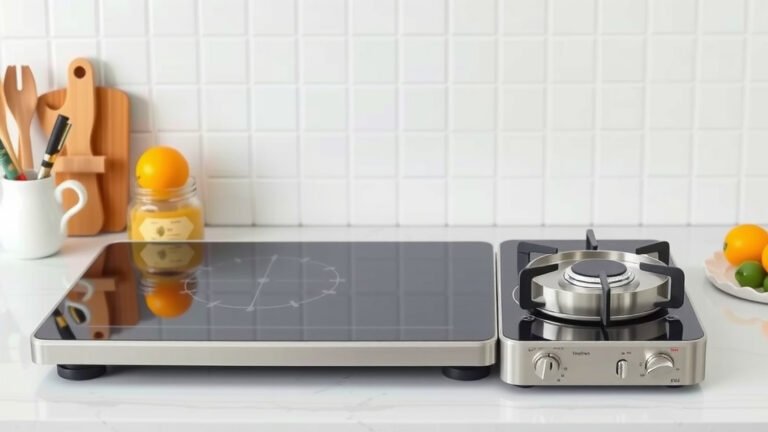
Induction Hob Keeps Turning Off: Troubleshooting Guide
Your induction hob keeps turning off because of a few common reasons. Most often, it’s due to an overheating safety feature kicking in. This happens if the pan is removed, or if the hob detects an issue with pot detection or power supply. It’s designed to protect your appliance and your kitchen.
Don’t worry, this is usually a sign your hob is working correctly by preventing damage. We found that many people experience this when they first switch to an induction hob. Understanding these safety measures can help you avoid unexpected shutdowns and get the most from your cooking experience. It often comes down to a simple fix or a small adjustment in how you use it.
- Hob overheating (a good thing!)
- No pot or wrong pot detected
- Power supply issues
- Internal fault
- Child lock activated
Let’s get to the bottom of why your induction hob is being a bit too cautious and figure out the solution together!
It can be quite frustrating when your induction hob suddenly shuts down mid-cooking. You’re in the middle of searing those scallops, and poof! It’s gone dark. But don’t panic! This is almost always a sign that your hob’s smart safety features are doing their job.
Understanding Why Your Induction Hob Shuts Off
Your induction hob is designed with your safety and the appliance’s longevity in mind. When it turns off unexpectedly, it’s usually trying to prevent a problem from happening. We found that these safety measures are often misunderstood, leading to confusion. Let’s break down the most common reasons.
The Hob is Getting Too Hot!
This is probably the most frequent culprit. Induction hobs generate heat through the cookware, not the hob surface itself. However, if your pan is left on the hob for too long without any cooking activity, or if there’s a lack of airflow, the hob’s internal components can start to overheat. Think of it like your computer shutting down to prevent damage when it gets too warm. This is a protective shutdown to cool things down before any harm is done.
Overheating Due to Pan Issues
Sometimes, the issue isn’t the hob itself but how it’s interacting with the pan. If you accidentally leave an empty, hot pan on the hob, it can quickly cause the surface temperature to rise, triggering the overheat protection. It’s like leaving a hot iron on a table without a press cloth; eventually, the surface beneath can get damaged.
Blocked Air Vents
Your induction hob needs good ventilation to keep its internal parts cool. Many models have vents on the sides or underneath. If these are blocked by something, like a dish towel or even crumbs, the hob can’t dissipate heat effectively. This is a simple fix: just make sure the vents are clear. We found that ensuring clear airflow is essential for optimal performance.
Pot Detection: Is Your Pan “Talking” to the Hob?
Induction hobs only work with specific types of cookware – those with a magnetic base. The hob needs to detect that a suitable pot or pan is in place before it will heat up. If it doesn’t “see” the right kind of pan, or if the pan isn’t positioned correctly, it will shut off. This is a Induction hobs only work with specific types of cookware – those with a magnetic base.critical safety feature to prevent the hob from heating up without anything to transfer that heat to.
Using the Wrong Cookware
This is a big one, especially if you’re new to induction cooking. If you try to use a pan that isn’t magnetic – like aluminum or glass – the hob won’t work. It might heat up for a second and then turn off. You can easily test your cookware by seeing if a magnet sticks to the bottom. If it does, it’s induction-compatible. Many cooking guides recommend checking cookware compatibility before purchase.
Pan Placement and Movement
Even with the right pan, how you place it matters. The pan needs to be centered over the cooking zone. If the pan is too small for the zone, or if it’s not making good contact with the surface, the hob might not detect it properly. Also, if you slide the pan around too much, or lift it off the hob while cooking and then put it back, the hob might interpret this as a new pan being placed, or no pan at all, leading to a shutdown. We found that keeping the pan still and centered is best.
A Dirty Hob Surface
Sometimes, a buildup of food debris or grease on the hob surface can interfere with the pot detection sensors. This might prevent the hob from accurately sensing the presence of your cookware. A quick wipe-down can often solve this. Keeping your hob clean is not just for looks; it helps it function correctly. Many manufacturers suggest regular cleaning for optimal performance.
Power Supply Concerns
Your hob needs a stable and sufficient power supply to operate correctly. Fluctuations or insufficient power can cause it to shut down. This is less common but worth considering if other solutions don’t work.
Voltage Fluctuations
If your home experiences frequent power surges or brownouts, this can interrupt the hob’s operation. It’s like trying to run a sensitive electronic device during a storm; it might not handle the inconsistent power well. This isn’t usually the hob’s fault but rather an issue with your home’s electrical system. If you suspect this, it’s a good idea to have an electrician check your home’s power supply.
Incorrect Installation or Wiring
Induction hobs draw a lot of power. If your hob wasn’t installed by a qualified professional, or if the wiring in your kitchen isn’t up to code for an appliance like this, it could lead to power issues. The hob might shut down if it’s not receiving the correct voltage or amperage. We found that professional installation is highly recommended for these appliances (Energy Star).
Internal Faults or Sensor Issues
While less common, it’s possible there’s an issue with the hob’s internal components or its sensors. The hob might be mistakenly thinking it’s overheating, or a sensor might be faulty. This usually requires professional diagnosis and repair.
Malfunctioning Temperature Sensors
Induction hobs have sensors to monitor temperature. If one of these sensors is faulty, it might send incorrect readings to the hob’s control panel. This could lead the hob to believe it’s too hot and shut itself off, even when it’s not. This is an internal problem that you typically cannot fix yourself.
Is the Child Lock Activated?
Many modern induction hobs come with a child lock feature. This is designed to prevent accidental activation or changes to settings. If the child lock is accidentally turned on, it can make the hob seem like it’s turning off or not working at all. Check your hob’s manual to see how to deactivate it. It’s a simple switch, often involving holding down a specific button for a few seconds. We found this is a common oversight, especially for households with young children.
How to Check and Disable Child Lock
Consult your hob’s user manual for the specific steps to disable the child lock. It usually involves pressing and holding a button marked with a lock symbol or similar icon. This is often the easiest fix if your hob suddenly stops responding to controls.
Troubleshooting Checklist
Here’s a quick checklist to help you troubleshoot your induction hob’s shutdown issue:
- Ensure your cookware is magnetic and compatible with induction.
- Check that your cookware is centered on the cooking zone.
- Verify that hob vents are clear and unobstructed.
- Confirm that the child lock feature is not activated.
- Make sure the hob surface is clean and free of debris.
- If problems persist, contact a qualified technician.
Conclusion
It’s understandable to feel frustrated when your induction hob shuts off unexpectedly. Fortunately, as we’ve seen, this is rarely a sign of a serious problem. Most often, your hob is simply using its built-in safety features to protect itself and your kitchen. We found that understanding these protections, like overheat prevention and pot detection, is key to smooth cooking. By checking your cookware, ensuring proper ventilation, and being mindful of settings like the child lock, you can likely resolve most shutdown issues. If you’ve tried these steps and the problem persists, it’s time to call a professional to check for internal faults.
Frequently Asked Questions
Why does my induction hob turn off immediately after I turn it on?
This is often because the hob doesn’t detect a compatible pot or pan. Induction hobs require magnetic cookware. If the hob doesn’t sense the right kind of pot, it will shut off for safety. Ensure your pan has a magnetic base and is centered on the cooking zone.
Can a dirty hob surface cause it to shut off?
Yes, a dirty hob surface can interfere with the pot detection sensors. Food debris or grease might prevent the hob from accurately sensing that a pan is in place. We found that keeping the hob surface clean is a simple yet effective troubleshooting step.
My induction hob turns off after a few minutes of cooking. What could be wrong?
This is frequently due to overheating protection kicking in. It could be caused by blocked air vents preventing proper cooling, or an empty, hot pan left on the hob. Double-check that the hob’s vents are clear and ensure you’re cooking with a suitable pan.
What if I think the issue is with my home’s electricity and not the hob?
If you experience power fluctuations or brownouts in your home, this can cause the hob to shut down. This is more likely if other appliances also act strangely during these times. You may need to consult an electrician to assess your home’s power supply stability.
How do I know if my cookware is induction-compatible?
The easiest way is to test it with a magnet. If a magnet sticks firmly to the bottom of the pan, it’s generally compatible with induction hobs. Cookware made of cast iron or magnetic stainless steel typically works well, while glass, copper, and aluminum usually do not.