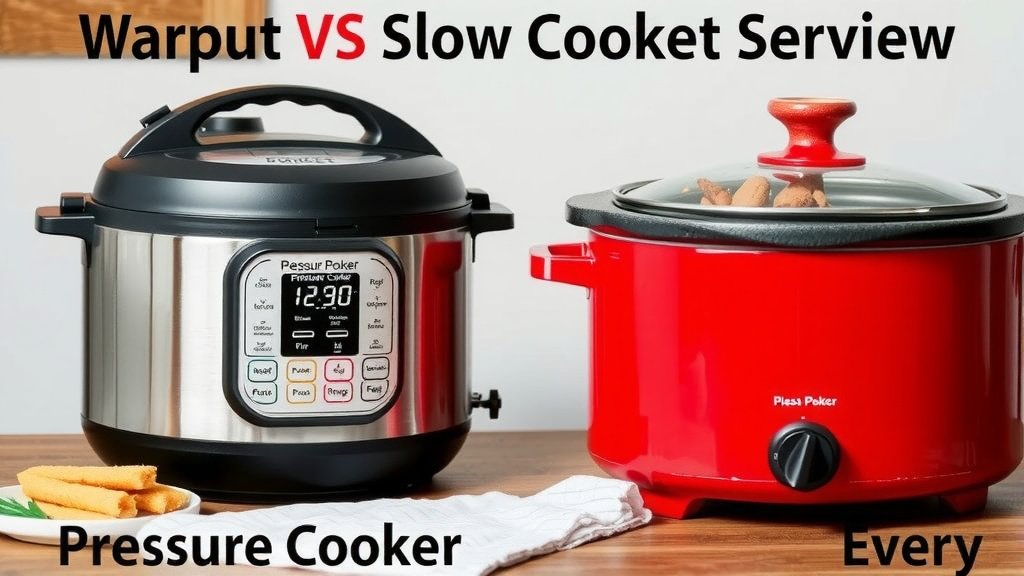
Pressure Cooker vs Slow Cooker Which Is Best For You
When deciding between a pressure cooker and a slow cooker, the best choice really depends on your time and what you’re cooking. A pressure cooker cooks food much faster by using steam pressure, making it ideal for quick meals. A slow cooker, on the other hand, cooks food low and slow for hours, perfect for tenderizing meats and developing deep flavors without much active effort.
Both kitchen appliances are workhorses, but they achieve results through different methods. If you’re often short on time and want dinner ready in under an hour, a pressure cooker is your best friend. If you prefer to “set it and forget it” and enjoy tender, flavorful dishes after a long day, a slow cooker shines. Understanding their core functions helps you pick the right tool for your culinary needs.
- Pressure cookers are fast (under an hour).
- Slow cookers are slow (hours, hands-off).
- Pressure cookers use steam and pressure.
- Slow cookers use low, consistent heat.
- Your choice depends on time and desired texture.
Let’s break down the key differences and help you figure out which kitchen wizard will best help you in your cooking adventures.
Pressure Cooker vs. Slow Cooker: Which Appliance Is Right For You?
Deciding between a pressure cooker and a slow cooker can feel like a big choice for your kitchen. Both appliances promise delicious meals with less effort. But they work in fundamentally different ways. We’ve found that understanding these differences is key to picking the perfect match for your cooking style and busy life.
How a Pressure Cooker Works Its Magic
Imagine cooking food under pressure. That’s exactly what a pressure cooker does. It seals tightly and builds up steam inside. This trapped steam raises the internal temperature well above boiling point. Foods cook much faster at these higher temperatures. Think of it like a super-powered stovetop pot.
Speed Is the Name of the Game
The biggest advantage of a pressure cooker is its incredible speed. Many recipes that would take hours on the stove can be ready in 20-30 minutes. This is a lifesaver on busy weeknights. You can get a hearty stew or tender pulled pork on the table in less time than it takes to order takeout.
Texture and Flavor Development
Because it cooks so fast, a pressure cooker can lock in flavors and nutrients. Foods tend to be very tender. It’s great for braising meats and cooking tough cuts until they fall apart. You get deep flavor development, similar to slow cooking, but in a fraction of the time. Many users report that vegetables retain a brighter color and a better texture too.
What Foods Shine in a Pressure Cooker?
Pressure cookers excel at cooking things that usually take a long time. This includes:
- Tough cuts of meat (like pot roasts, ribs, and shanks)
- Beans and legumes (dried beans cook in about an hour without soaking)
- Soups and stews
- Grains like rice and quinoa
- Hard-boiled eggs (they peel so easily!)
- Cheesecake (yes, really!)
The Gentle Art of Slow Cooking
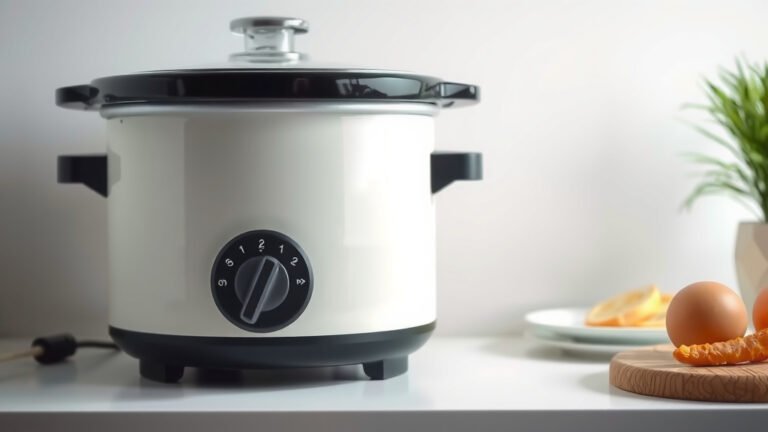
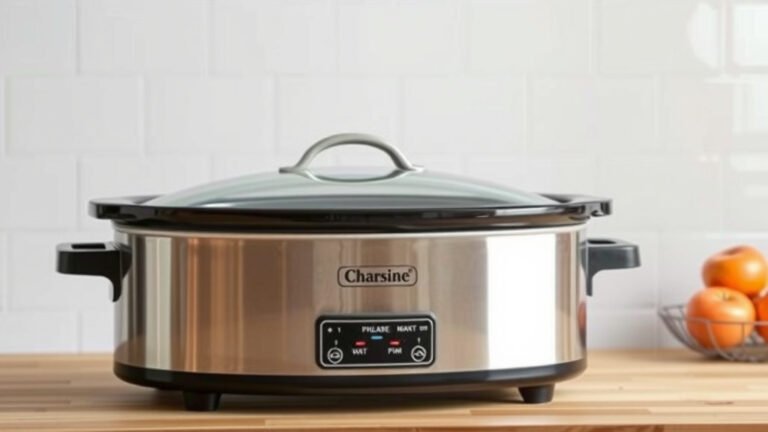
A slow cooker, often called a crock pot, is the opposite of a pressure cooker. It uses low, consistent heat over a long period. You place your ingredients in the ceramic pot, set the temperature (Low or High), and let it do its thing for hours. It’s the ultimate “set it and forget it” appliance. Understand what a slow cooker, often called a crock pot, is and how it works.
The “Set It and Forget It” Philosophy
This is where slow cookers truly shine. You can prep ingredients in the morning, turn it on, and come home to a fully cooked, delicious meal. There’s no need to monitor it constantly. It’s perfect for busy individuals or families who want a home-cooked meal without being tethered to the kitchen all day.
Achieving Unmatched Tenderness
The low, slow heat breaks down tough connective tissues in meats beautifully. This results in incredibly tender and moist food. Flavors meld together over the long cooking time, creating rich and deep tastes that are hard to replicate quickly. We found that many users love the comforting, homey quality of slow cooker meals.
Ideal Dishes for Your Slow Cooker
Slow cookers are fantastic for creating dishes that benefit from long, gentle cooking. Consider these for your slow cooker:
- Pulled pork or chicken
- Pot roasts and pot pies
- Chili and hearty soups
- Curries and braises
- Corned beef
- Desserts like cobblers and bread puddings
Key Differences at a Glance
Let’s look at how these two appliances stack up side-by-side. This can help you visualize which one fits your needs better.
| Feature | Pressure Cooker | Slow Cooker | |
|---|---|---|---|
| Cooking Time | Fast (minutes to an hour) | Slow (hours, typically 4-10) | |
| Method | High-pressure steam | Low, steady heat | |
| Texture Result | Tender, moist, can retain crispness in some foods | Extremely tender, fall-apart results, flavors meld | |
| Energy Use | Uses more energy for shorter bursts | Uses less energy over longer periods | |
| Flavor Profile | Locks in fresh flavors, good for quick braising | Develops deep, rich, melded flavors | |
| Hands-On Time | Moderate (some active cooking/monitoring) | Very Low (mostly prep) |
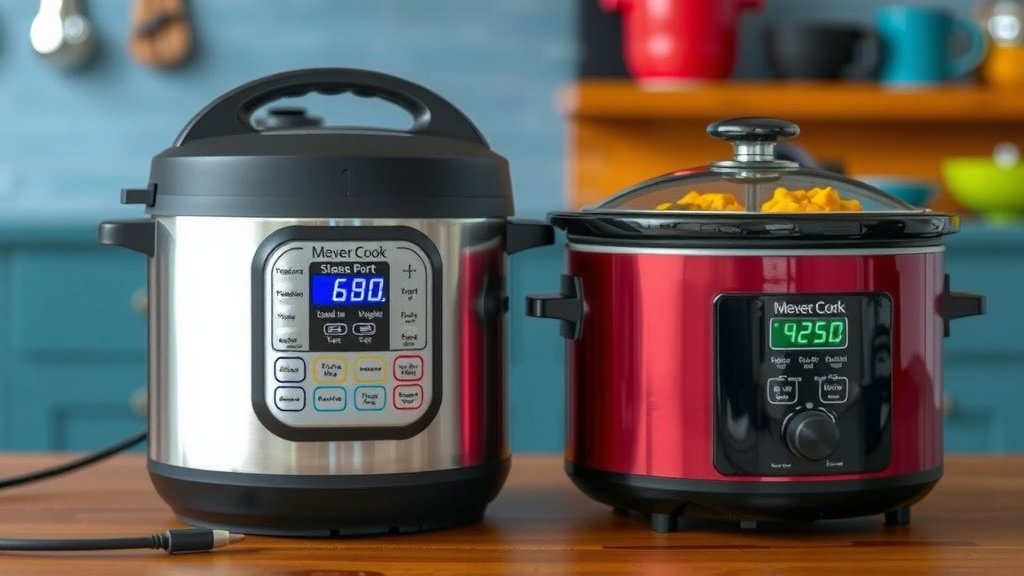
Making Your Final Decision
So, which one should grace your countertop? We believe the choice really boils down to your lifestyle and your culinary goals.
When the Pressure Cooker Wins
You need a pressure cooker if:
- Your schedule is tight and you need meals fast.
- You want to cook dried beans or tough meats quickly.
- You enjoy tender results but don’t have hours to spare.
- You want to retain more vibrant colors in your vegetables.
When the Slow Cooker is Your Champion
A slow cooker is likely your best bet if:
- You love the idea of “set it and forget it” cooking.
- You have busy mornings and want dinner ready when you get home.
- You prize melt-in-your-mouth tender meats above all else.
- You enjoy deep, complex flavors that only time can create.
Can You Have Both?
Many modern kitchens are featuring “multi-cookers.” These are appliances that combine the functions of a pressure cooker, slow cooker, rice cooker, steamer, and more. If you have the space and budget, a multi-cooker offers the best of both worlds. You get the speed of pressure cooking and the convenience of slow cooking in one device.
Your Kitchen Checklist: Pressure Cooker or Slow Cooker?
To help you decide, ask yourself these quick questions:
- How much time do you realistically have to cook on a typical day?
- What types of meals do you cook most often?
- Do you prioritize speed or maximum tenderness?
- Are you okay with some active cooking or do you prefer hands-off?
- Do you often cook ingredients that require long cooking times?
- Would a single appliance that does both appeal to you?
Conclusion
Deciding between a pressure cooker and a slow cooker really comes down to your daily routine and what you want from your meals. If speed is your top priority, a pressure cooker can get dinner on the table in under an hour, perfect for busy weeknights. For those who love the “set it and forget it” method and crave melt-in-your-mouth tender meats and deeply developed flavors, a slow cooker is your kitchen champion. Consider a multi-cooker if you crave both speed and slow-cooked goodness. Your next step is to think about which appliance aligns best with your lifestyle and start planning your first delicious meal!
Frequently Asked Questions
Can I use a pressure cooker to achieve the same tender results as a slow cooker?
Yes, you can! A pressure cooker is excellent at tenderizing tough cuts of meat very quickly. While the method is different, you can achieve fall-apart tender results in a fraction of the time a slow cooker needs. We found the textures to be quite comparable for many recipes.
Is one appliance better for cooking vegetables than the other?
Many users report that pressure cookers help vegetables retain a brighter color and a firmer texture. Slow cookers can sometimes make vegetables very soft. If you prefer your veggies with a bit more bite, a pressure cooker might be your preference.
Which appliance is easier to clean?
Generally, slow cookers are often considered easier to clean. Their ceramic inserts are typically non-stick and dishwasher safe. Pressure cooker parts can sometimes require a bit more attention, especially the sealing ring and lid components.
Can I cook frozen meat in either appliance?
You can cook frozen meat in both, but it’s more common and often recommended for slow cookers. If you’re using a pressure cooker with frozen meat, you’ll likely need to add extra liquid and cooking time. Always check your specific appliance’s manual for guidance.
Are multi-cookers a good compromise if I can’t decide?
Absolutely! Multi-cookers are a fantastic solution for those who want the best of both worlds. They offer the speed of pressure cooking and the convenience of slow cooking, plus often other functions like sautéing and steaming. If space and budget allow, they can be a very practical choice.