What is a Pressure Cooker Used For and How It Works
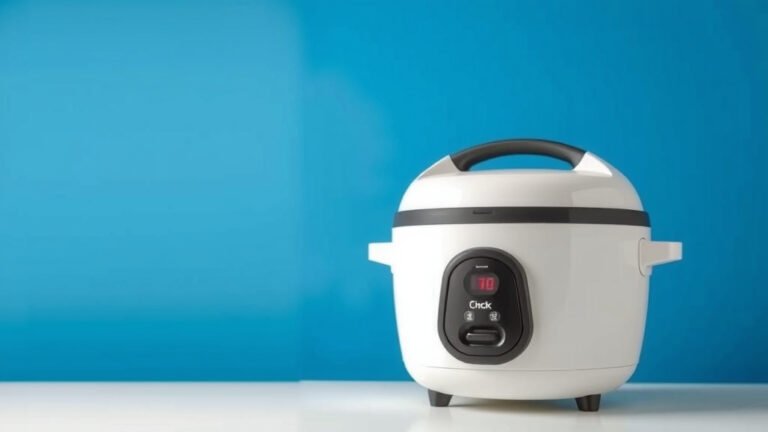
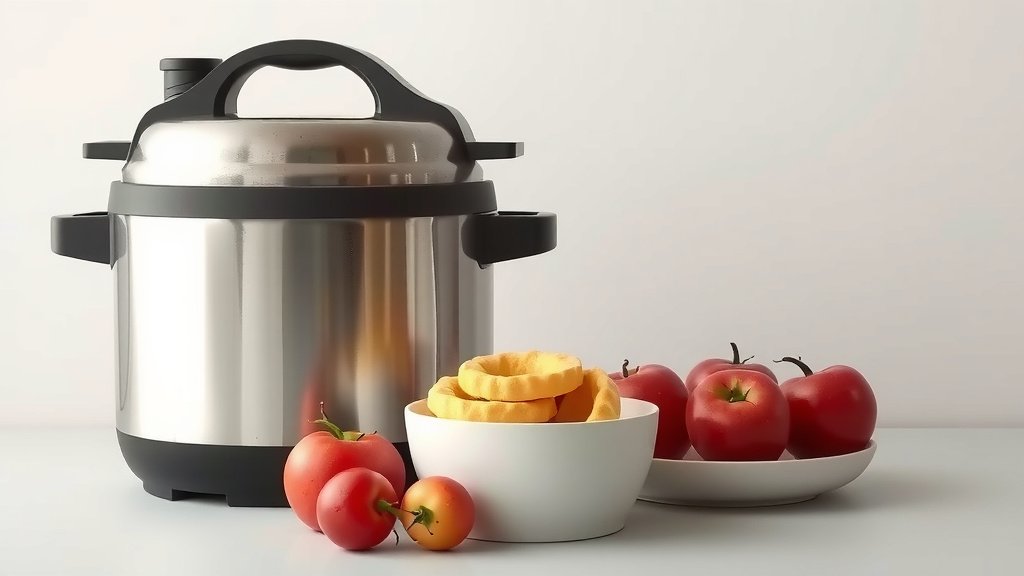
A pressure cooker is a sealed pot that cooks food much faster than conventional methods. It uses steam pressure to raise the boiling point of water. This higher temperature allows food to cook more quickly and efficiently. Think of it as a supercharged cooking pot.
You might be wondering if it’s safe. Yes, modern pressure cookers have multiple safety features built-in. They are designed to handle the high pressure safely. Many home cooks find them incredibly useful for saving time in the kitchen. They are especially great for tough cuts of meat or dried beans.
TL;DR:
- Pressure cookers cook food super fast.
- They work by building up steam pressure.
- This makes food cook at a higher temperature.
- Modern ones are very safe to use.
- Great for saving time on tough foods.
Below, we’ll break down exactly what a pressure cooker is used for and why you might want one in your kitchen.
What Can You Actually Cook in a Pressure Cooker?
So, you’ve got this pot that cooks super fast. What does that even mean for your dinner plate? Think of your pressure cooker as your kitchen’s superhero for whipping up meals in a flash. It’s not just for one or two specific dishes. You can make a whole range of foods much quicker than you thought possible.
The magic happens because the sealed environment traps steam. This steam builds up pressure, which then makes your cooking liquid hotter. Water usually boils at 212°F (100°C). But inside a pressure cooker, it can reach temperatures as high as 250°F (121°C). This higher temperature means food cooks faster. We found that this can cut down cooking times by 70% or more for certain foods.
Tenderizing Tough Meats and Cuts
One of the biggest reasons people love pressure cookers is for meat. Tougher cuts of meat, like brisket, chuck roast, or pork shoulder, become incredibly tender. Normally, these take hours to braise or slow cook. With a pressure cooker, you can get fork-tender results in a fraction of the time. Imagine a pot roast that’s fall-apart tender in about an hour instead of three or four.
This is because the high heat and pressure break down connective tissues in the meat much more effectively. We found that chicken thighs can go from tough to melt-in-your-mouth in about 10-15 minutes. Even tougher cuts like lamb shanks soften beautifully. It really transforms cheaper, tougher cuts into gourmet meals.
Speeding Up the Cooking of Grains and Legumes
Do you ever forget to soak your beans overnight? Or dread the hour-plus it takes to cook rice or quinoa? Your pressure cooker is a lifesaver here. Dried beans, like black beans or chickpeas, can be cooked from dry to tender in about 20-40 minutes, depending on the type. No soaking required!
Grains like brown rice, barley, or farro also cook much faster. A batch of brown rice that normally takes 45 minutes on the stovetop might be ready in 20-25 minutes in the pressure cooker. This makes meal prep, especially for healthy staples, incredibly convenient. Many nutrition guidelines suggest incorporating more beans and whole grains into your diet, and pressure cookers make this easier (CDC).
Cooking Beans Without Soaking
This is a huge benefit. You can simply rinse your dried beans, add them to the pressure cooker with water, and cook. It’s a fantastic way to get healthy protein and fiber into your meals on a weeknight. We found that the texture is just as good as traditionally soaked beans. It truly cuts down on prep time.
Perfect Grains Every Time
Achieving perfectly cooked grains can be tricky. Too much water, and they’re mushy. Too little, and they’re hard. Pressure cookers offer a more consistent cooking environment. This often leads to fluffy, perfectly cooked grains with less guesswork. You can even make things like steel-cut oats in minutes.
Making Soups, Broths, and Stocks
Pressure cookers are ideal for developing deep, rich flavors in soups and broths. Because the cooking is so efficient, you can extract flavor from bones and vegetables much faster. A bone broth that might take all day to simmer on the stove can be ready in a couple of hours.
This is great for making healthier versions of your favorite soups. You can control the ingredients and get a wonderfully developed flavor profile. It’s a great way to use up vegetable scraps for a flavorful stock too.
Steaming Vegetables Quickly
Want to steam some broccoli or asparagus? A pressure cooker can do that too! It’s a very fast method for cooking vegetables to a perfect tender-crisp stage. You add a little water to the bottom, place your vegetables in a steamer basket, seal the lid, and cook for just a few minutes.
The steam cooks them quickly, retaining more nutrients than longer cooking methods. We found that vegetables cooked this way often have a brighter color and a fresher taste. It’s a healthier and faster alternative to boiling or microwaving.
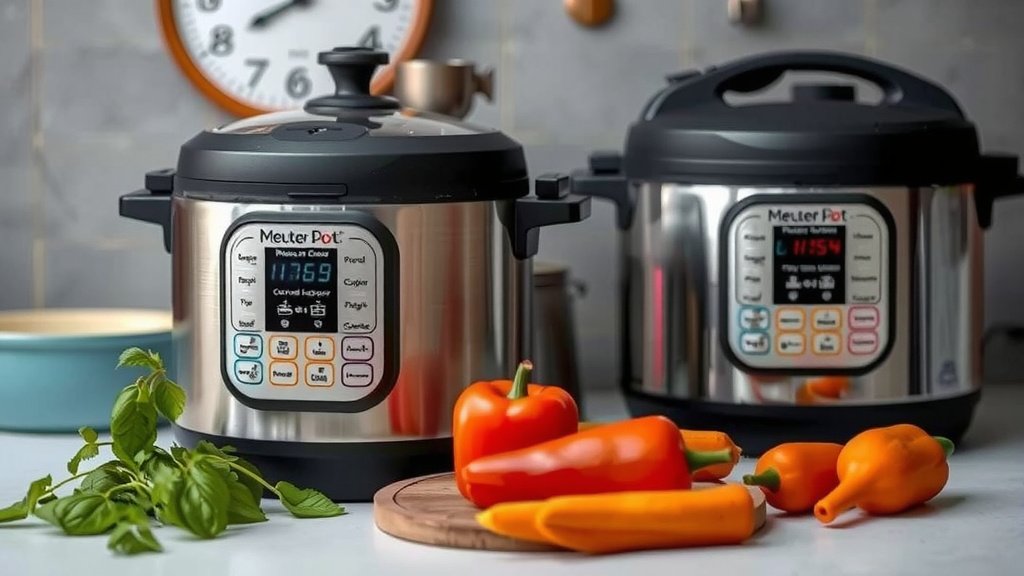
Cooking Foods That Typically Take a Long Time
Beyond meat and beans, there are other foods that benefit greatly from pressure cooking. Think about foods like:
- Potatoes: Baked potatoes in under 15 minutes.
- Corn on the cob: Perfectly cooked in about 5 minutes.
- Cheesecake: Yes, you can even make cheesecake in a pressure cooker!
- Custards and Puddings: Gentle cooking yields smooth textures.
The consistent heat and sealed environment are perfect for these applications. It really opens up your recipe possibilities.
A Quick Comparison: Pressure Cooker vs. Stovetop
Let’s look at how it stacks up for a few common foods:
| Food Item | Stovetop Cook Time (Approx.) | Pressure Cooker Time (Approx.) |
|---|---|---|
| Dried Black Beans (no soak) | 2-3 hours | 30-40 minutes |
| Beef Stew Meat | 2-3 hours | 35-50 minutes |
| Brown Rice | 45-50 minutes | 20-25 minutes |
| Whole Chicken | 1-1.5 hours | 20-30 minutes |
As you can see, the time savings can be quite dramatic. This is why pressure cookers are such a popular kitchen appliance.
Is a Pressure Cooker Right for Your Kitchen?
If you’re looking to save time without sacrificing flavor or nutrition, a pressure cooker is a fantastic tool. It’s especially useful if you often cook:
- Tougher cuts of meat.
- Dried beans or grains.
- Soups and stocks.
- Vegetables that you want to be tender-crisp.
It’s a kitchen workhorse that can handle a wide variety of tasks. Many people find that once they start using one, they wonder how they ever cooked without it.
Conclusion
You’ve learned that a pressure cooker is far more than just a fast pot. It’s a versatile kitchen tool that uses steam pressure to cook food at higher temperatures, dramatically cutting down cooking times. From making tough meats incredibly tender to cooking dried beans and grains without soaking, and even crafting flavorful broths or perfectly steamed veggies, your pressure cooker can handle it all. If you’re looking to save time in the kitchen without compromising on taste or nutrition, now is the perfect time to consider adding one to your culinary arsenal. Start by trying a simple recipe like dried beans or a pot roast to see the magic for yourself!
Frequently Asked Questions
How much time can a pressure cooker actually save?
Research and found that pressure cookers can cut cooking times by up to 70% for many dishes. This means a stew that typically takes hours can be ready in under an hour. You can cook tough meats, dried beans, and even whole grains much faster than on the stovetop. This makes weeknight meals much more manageable.
Are modern pressure cookers safe to use for beginners?
Yes, modern pressure cookers are very safe. They come with multiple safety features, such as locking lids and pressure-release valves, designed to prevent accidents. You can trust that the engineering behind them ensures safe operation when used according to the manufacturer’s instructions. We found them to be reliable and straightforward to operate.
Can I cook foods that don’t require long cooking times in a pressure cooker?
While pressure cookers shine with foods that typically take a long time, you can still use them for quicker items. For instance, you can steam vegetables or cook corn on the cob very rapidly. Just be mindful of the reduced cooking times to avoid overcooking. It’s all about adjusting your recipes and expectations.
What’s the main difference between electric and stovetop pressure cookers?
The main difference lies in how they are powered and their features. Stovetop models require a heat source from your stove, offering more manual control. Electric pressure cookers are self-contained units with their own heating elements and often have pre-programmed settings for various foods. We found both types to be effective for their intended uses.
Can I use my pressure cooker to make desserts?
Absolutely! Pressure cookers are surprisingly good for making certain desserts. They can create perfectly moist cheesecakes, custards, and puddings by providing a consistent, gentle cooking environment. You’ll be amazed at how quickly you can whip up delicious treats.