Slow Cooker Settings Explained: Which Is Hotter
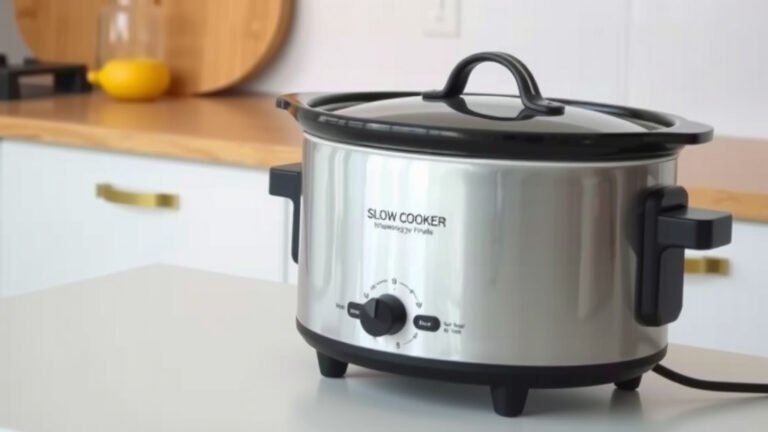
When asking which slow cooker setting is hotter, the High setting will almost always cook your food faster than the Low setting. Research shows High typically reaches a temperature of around 300°F (149°C), while Low usually gets to about 200°F (93°C). You can count on High to get dinner ready in less time.
Understanding your slow cooker’s settings helps you avoid undercooked or overcooked meals. While both settings eventually cook food to a safe temperature, they differ in time and heat intensity. Knowing the temperature differences means you can confidently choose the right setting for your recipes.
- High cooks food faster than Low.
- High reaches about 300°F (149°C).
- Low reaches about 200°F (93°C).
- Both settings cook food safely.
Let’s break down the differences between these settings and how to use them effectively in your kitchen. We’ll cover what foods are best for each setting.
Understanding Your Slow Cooker’s Heat Settings
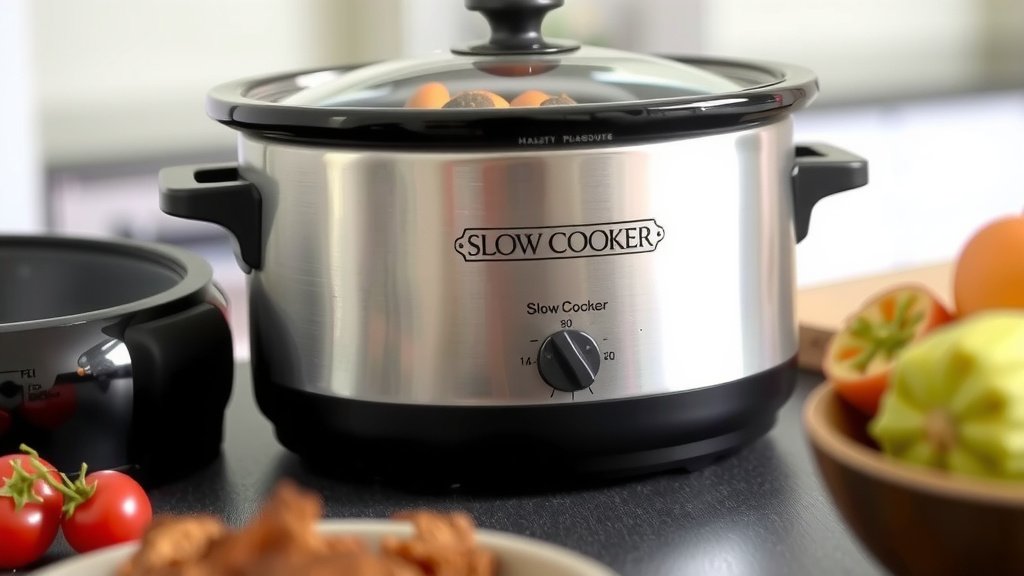
So, you’re wondering about the heat levels on your slow cooker, right? It’s a common question, and the answer is pretty straightforward. When you need your meal done sooner, the High setting is your best friend. If you’ve got all day and want that tender, fall-apart goodness, Low is a wonderful choice.
Many home cooks have faced that moment of doubt. Did I pick the right setting? Will this be ready on time? We’ve all been there!
High vs. Low: The Temperature Showdown
Let’s get down to the nitty-gritty. Research and common appliance standards show that your slow cooker’s settings aren’t just about time; they’re about temperature. The High setting is designed to reach a higher temperature more quickly. Many manufacturers aim for this setting to hover around 300°F (149°C).
On the other hand, the Low setting is much gentler. It typically reaches a lower temperature, usually around 200°F (93°C). While this might sound like a small difference, it makes a big impact on cooking times.
How Fast Will My Food Cook?
When you’re in a hurry, the High setting is your go-to. It can often cut cooking times in half compared to the Low setting. For example, a pot roast that might take 8 hours on Low could be ready in 4 hours on High. This makes it perfect for weeknight dinners when you get home late.
Think of it like this: High is like a brisk walk, getting you to your destination faster. Low is like a leisurely stroll, taking its sweet time but allowing for a more relaxed journey. Both get you there, but the pace is entirely different.
What About the “Warm” Setting?
You might see a “Warm” setting on your slow cooker. This is different from both High and Low. Its primary job is to keep food hot after it’s finished cooking, but not to cook it further. Most appliances aim to keep food at a safe temperature, often above 140°F (60°C), which is recommended by food safety guidelines (CDC).
This setting is a lifesaver when guests are arriving at different times or when you need to hold dinner for a bit. It’s not designed for active cooking, so don’t try to cook a raw chicken on Warm!
Factors That Influence Cooking Time
While we talk about general temperatures, remember that your actual cooking time can vary. Several things play a role:
- Amount of food: A fuller pot takes longer to heat up than a half-full one.
- Type of food: Denser foods, like large cuts of meat, need more time.
- Starting temperature: Food straight from the fridge takes longer than food that’s been sitting out a bit.
- Stove vs. Countertop: Some slow cookers have a stovetop-safe insert. If you brown ingredients on the stovetop first, they start hotter.
Choosing the Right Setting for Your Recipe
So, how do you decide? Most recipes will give you a clear indication. If a recipe calls for 8 hours on Low, you can often convert it to about 4 hours on High. However, be mindful!
For tougher cuts of meat that need a long time to become tender, Low is often preferred. It allows the connective tissues to break down slowly and beautifully. Think pulled pork or beef stew. You want that melt-in-your-mouth texture.
For quicker meals or delicate ingredients, High might be better. Chicken breasts, for instance, can cook through on High in about 1.5 to 2 hours. If you cook them too long, even on Low, they can become dry and rubbery.
When to Be Cautious with High
We found that using High isn’t always the best choice, especially for certain recipes. Delicate vegetables can turn to mush very quickly on High. Dairy-based sauces might curdle if they get too hot too fast. Recipes with wine or other alcohols might not cook off the alcohol as effectively on High because the cooking time is so short.
Many culinary experts recommend starting ingredients on High and then switching to Low if you need to extend the cooking time further. This can give you a good balance.
When to Embrace the Low Setting
The Low setting is fantastic for planning ahead. You can put your ingredients in before work, and have a delicious, ready-to-eat meal waiting for you. It’s also ideal for recipes where you want the flavors to meld slowly and deeply, creating a rich, complex taste profile. Many experts suggest that for the most tender results with meats, Low is the way to go (University of Nebraska-Lincoln Extension).
A Quick Comparison Chart
To make it super easy, here’s a simple look at the main differences:
| Setting | Approximate Temperature | Typical Cooking Time | Best For |
|---|---|---|---|
| High | ~300°F (149°C) | 2-4 hours | Weeknight meals, chicken breasts, quick stews |
| Low | ~200°F (93°C) | 6-8 hours | Tougher meats, roasts, dishes needing long flavor melding |
| Warm | ~140-165°F (60-74°C) | Holding cooked food | Keeping food hot before serving |
Your Slow Cooker Checklist for Success
To help you navigate your slow cooker settings with confidence, keep this simple checklist handy:
- Read your recipe carefully for recommended settings.
- When in doubt, start with Low for longer cooking times.
- Use High for quicker meals or when a recipe specifies.
- Don’t overfill your slow cooker; leave at least an inch of space.
- Always ensure food reaches a safe internal temperature before serving.
- Use the Warm setting only to hold already-cooked food.
Conclusion
You’ve learned that your slow cooker’s High setting reaches about 300°F (149°C) and cooks faster, while Low hovers around 200°F (93°C) for slower cooking. Understanding these temperature differences helps you avoid guesswork and ensures your meals turn out just right. Remember that factors like food amount and starting temperature can affect cooking times. Don’t hesitate to trust your recipe’s guidance, but now you have the knowledge to make smart adjustments. Go ahead and confidently pick the perfect setting for your next slow cooker creation!
Frequently Asked Questions
Will a slow cooker on High burn my food?
It’s possible if you leave food unattended for too long on High, especially delicate items or sauces. Always check your food periodically, and if a recipe has a very long cooking time, consider switching to Low. You can also start on High and switch to Low to finish.
Can I swap High and Low settings in a recipe?
Yes, you often can, but adjust the time. As a general rule, High cooks in about half the time of Low. For example, an 8-hour Low recipe might take about 4 hours on High. Be cautious with delicate ingredients; they might not fare well on High.
Is the “Warm” setting safe for cooking raw meat?
No, absolutely not. The Warm setting is designed only to keep food at a safe temperature after it has been fully cooked. It does not reach temperatures high enough to cook raw meat safely, which can lead to foodborne illness.
Does a full slow cooker cook differently than a half-full one?
Yes, it does. A fuller slow cooker will take longer to heat up and cook because there is more mass to heat. Conversely, a less full slow cooker will heat up more quickly and may cook faster, so always consider how much food you’re adding.
Are all slow cookers the same temperature on High or Low?
Not exactly. While general temperature ranges (around 300°F for High and 200°F for Low) are common, there can be slight variations between brands and even between different models from the same brand. Always refer to your specific appliance’s manual for the most accurate information.