Slow Cooker Electricity Use: How Much Power Do They Draw
Do slow cookers use a lot of electricity? The short answer is no, they are surprisingly energy efficient. While they cook food slowly, they use a low wattage compared to many other kitchen appliances. You can enjoy your favorite slow-cooked meals without worrying about a huge spike in your electric bill.
Many people wonder about the energy consumption of slow cookers. We found that they are a cost-effective cooking method. Their design allows them to maintain a steady temperature using minimal power over extended periods. This makes them a more economical choice than running your oven for hours.
- Slow cookers are energy efficient.
- They use low wattage power.
- They are more economical than ovens.
- Expect a small impact on your electricity bill.
Let’s break down exactly how much electricity your slow cooker uses and what that means for your budget. Let’s break down exactly how much electricity your slow cooker uses and what that means for your budget.
How Much Electricity Do Slow Cookers Actually Use?
Many people worry about their electric bills. They wonder if using a slow cooker racks up a high cost. The good news is, slow cookers are remarkably energy efficient. They use much less power than you might think.
Compared to appliances like ovens or electric stovetops, your slow cooker sips electricity. This makes it a budget-friendly choice for cooking. We’ve looked into the numbers, and you can relax about your energy usage.
Understanding Slow Cooker Wattage
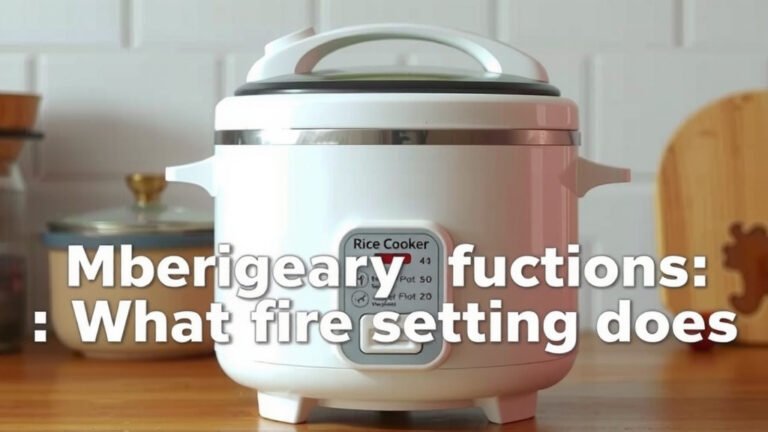
The key to understanding a slow cooker’s energy use is its wattage. Wattage measures how much power an appliance uses at any given moment. Slow cookers have very low wattage compared to other kitchen gadgets.
Typical Wattage Ranges
You’ll find that most slow cookers fall into a specific wattage range. Smaller models, typically 1 to 4 quarts, usually use between 75 and 150 watts. Larger models, those holding 5 to 7 quarts or more, might use between 150 and 300 watts.
To put this in perspective, a typical toaster uses around 800-1500 watts. An electric oven can easily draw 2000-5000 watts. So, your slow cooker is working much more gently on your home’s electrical system.
Why Low Wattage Matters for Your Bill
A low wattage means the appliance draws less power. Your slow cooker uses this power consistently over a long time. But because the draw is small, the total energy consumed remains low. It’s like a gentle stream versus a powerful waterfall.
The energy used is measured in kilowatt-hours (kWh). A kilowatt is 1000 watts. To calculate cost, you multiply the wattage by the hours of use and then by your electricity rate per kWh. Because the wattage is so low, the kWh figure stays small.
Comparing Slow Cooker Energy Use to Other Appliances
It’s helpful to see how your slow cooker stacks up against other kitchen powerhouses. This really highlights its efficiency. We found that many common appliances use significantly more energy.
The Oven vs. The Slow Cooker
Let’s say you want to cook a roast for 4 hours. Using your oven at 350°F (a common temperature) might use around 2500 watts. Over 4 hours, that’s 10 kWh of energy.
Now, imagine cooking that same roast in a 6-quart slow cooker on low. A typical slow cooker on low might use about 150 watts. Over 4 hours, that’s only 0.6 kWh of energy. That’s a huge difference!
Stovetop Burners
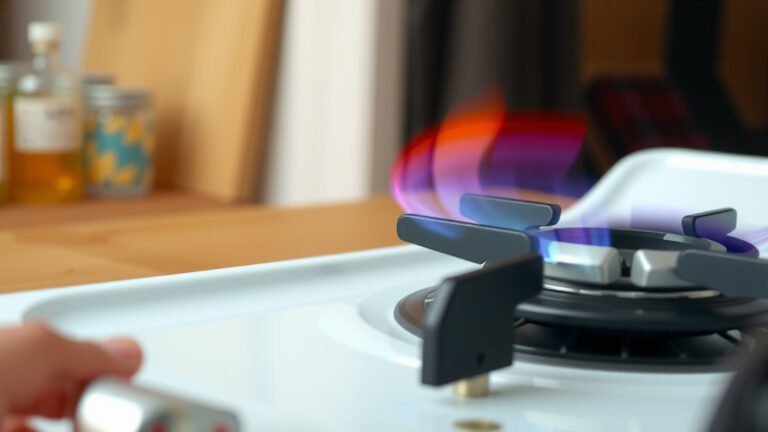
A standard electric stovetop burner can use between 1000 and 2500 watts. Even a simmer setting uses considerable power. If you were to simmer a stew on the stove for 4 hours, you’d use much more electricity than in a slow cooker.
Other Kitchen Appliances
Think about your microwave, toaster, or even a coffee maker. While they operate for shorter periods, their wattage is often much higher. A microwave might use 1000-1500 watts. A toaster uses 800-1500 watts.
Your slow cooker’s consistent, low-power operation makes it a star performer for energy efficiency. It’s designed for long, slow cooking, not quick, high-power bursts.
Factors Influencing Your Slow Cooker’s Electricity Use
While slow cookers are efficient, a few things can impact their exact energy consumption. These are generally minor, but it’s good to be aware.
Size of the Slow Cooker
As we mentioned, larger pots generally have higher wattage. A 2-quart model will use less electricity than a 7-quart one. It simply needs a bit more power to heat a larger volume of food.
Cooking Settings (Low vs. High vs. Warm)
The ‘Low’ setting uses the least amount of power. The ‘High’ setting uses more power, but still well within efficient ranges. It reaches the cooking temperature faster and then cycles on and off to maintain it. The ‘Warm’ setting uses the least power of all, just enough to keep food at a safe temperature.
Many experts recommend using the ‘Low’ setting for longer cooking times, as it’s the most energy-conscious. (USDA).
How Often You Lift the Lid
This is a big one for cooking success and energy efficiency! Every time you lift the lid, you let out heat. The slow cooker then has to use more energy to get back up to temperature. We found that lifting the lid too often can increase cooking time and energy use.
Try to resist peeking! It’s tempting, but your food will cook more efficiently if you keep the lid on.
Ambient Room Temperature
If your kitchen is already quite warm, your slow cooker won’t have to work as hard to maintain its internal temperature. Conversely, if it’s cold, it might use slightly more energy to compensate. This effect is generally quite small, though.
Estimating Your Slow Cooker’s Cost
Let’s put some real numbers to it. Suppose you use a 150-watt slow cooker for 6 hours on low. First, we convert watts to kilowatts: 150 watts / 1000 = 0.15 kW.
Then, we multiply by the hours: 0.15 kW * 6 hours = 0.9 kWh. This is the total energy used for that cooking session.
Now, let’s consider the average electricity cost in the US, which is about $0.16 per kWh (U.S. Energy Information Administration). For our example, the cost would be: 0.9 kWh * $0.16/kWh = $0.144. That’s about 14.5 cents for a 6-hour cooking session!
So, if you use your slow cooker twice a week, that’s less than $1.20 per month. It’s clear that the impact on your bill is minimal.
Making the Most of Your Energy-Efficient Slow Cooker
Using your slow cooker is already a smart choice for energy savings. Here are a few tips to maximize that efficiency and enjoy your cooking:
- Plan your meals: Know what you’re cooking to avoid prolonged cooking times or extra lifting of the lid.
- Choose the right size: Use a slow cooker that’s appropriately sized for the amount of food.
- Fill it up: Slow cookers work best when they are half to two-thirds full.
- Resist the urge to peek: Keep that lid on to retain heat.
- Use ‘Low’ when possible: For longer recipes, ‘Low’ is often the most energy-efficient setting.
- Clean it regularly: A clean appliance can sometimes operate more efficiently.
Conclusion
So, you can rest easy! Your slow cooker is a true champion of energy efficiency. We’ve seen that its low wattage means it uses far less electricity compared to your oven or stovetop. This makes it an incredibly budget-friendly way to prepare delicious meals.
By understanding its wattage and a few simple usage tips, you can be confident that your slow cooker won’t be the reason for a shock on your electric bill. Go ahead and enjoy those comforting, slow-cooked dishes – your wallet and your appliance are working happily together!
Frequently Asked Questions
Will running a slow cooker overnight increase my electricity bill significantly?
No, not significantly. Even running your slow cooker for 8-10 hours overnight uses very little electricity because of its low wattage. The total energy consumption remains quite low, making it a cost-effective option for long cooking times.
Is a 6-quart slow cooker more expensive to run than a smaller one?
Generally, yes, a larger slow cooker might use slightly more electricity. A 6-quart model typically has a higher wattage than a 2-quart model. However, the difference is still minimal compared to other appliances, so it remains an efficient choice.
Does the ‘Keep Warm’ setting use a lot of electricity?
The ‘Keep Warm’ setting uses the least amount of electricity. It’s designed to maintain a safe food temperature with minimal power draw. You can confidently use this setting without worrying about a substantial increase in your energy usage.
How much does it actually cost to run a slow cooker for one hour?
Running a typical 150-watt slow cooker for one hour costs about 2.5 cents, based on the average US electricity rate. This means even several hours of cooking add up to a very small amount, making it highly economical.
Can I leave my slow cooker plugged in when not in use?
Yes, you can leave your slow cooker plugged in when it’s off. When not actively cooking, it draws a negligible amount of “phantom load” electricity, far less than active cooking. It’s perfectly safe to leave it plugged in.