What Is An Induction Hob? A Complete Guide
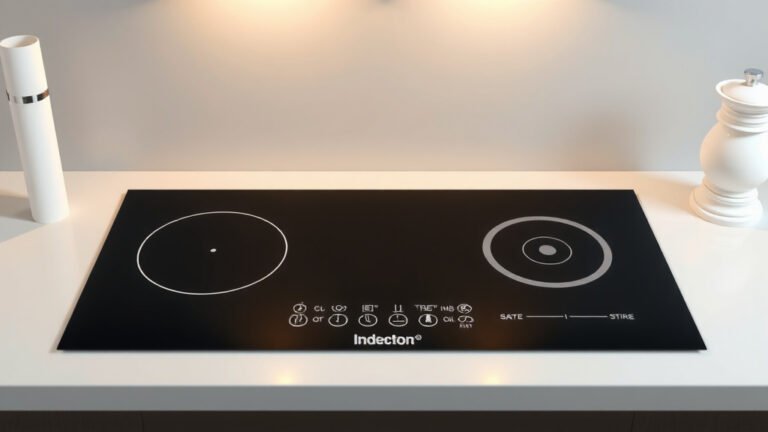
An induction hob is a type of electric stovetop that uses electromagnetism to heat your cookware directly. Unlike traditional electric or gas stoves, the hob surface itself doesn’t get hot. Instead, it creates a magnetic field. When you place a magnetic pot or pan on it, the field generates heat right in the cookware. It’s a super efficient and fast way to cook!
Many people love induction for its speed and precise control. You can boil water in a fraction of the time compared to other stovetops. Plus, it’s much safer because the cooktop stays cool to the touch, reducing the risk of burns. Think of it as a modern kitchen marvel that makes cooking easier and more enjoyable for your busy life.
- Induction hobs use magnets to heat pots directly.
- They are much faster than gas or electric stoves.
- The hob surface stays cool, making them safer.
- Precise temperature control makes cooking easier.
Ready to understand exactly how this modern marvel works and if it’s the right fit for your kitchen? Let’s dive into the details of what an induction hob is and how it transforms your cooking experience.
Understanding How Induction Cooktops Work
So, what exactly makes an induction hob different from what you might be used to? It all comes down to a bit of kitchen science involving magnetism. Unlike your old electric coil or smooth glass-top electric, which heat up themselves and then transfer that heat to your pot, induction hobs work a bit like magic.
They use a copper coil hidden just beneath the ceramic surface. When you turn the hob on, this coil generates an alternating electromagnetic field. It’s this field that’s the real star of the show!
The Magic of Electromagnetism in Your Kitchen
When you place a pot or pan on the hob, this electromagnetic field causes the iron atoms in the base of your cookware to vibrate rapidly. Think of it like rubbing your hands together very, very fast. This friction, this rapid vibration, generates heat directly within the metal of your pot or pan.
What’s truly amazing is that the hob surface itself doesn’t get hot. It remains relatively cool. The heat is generated in the pan, not the cooktop. This is a fundamental difference and is key to understanding induction’s benefits.
Why Magnetic Cookware is Key
Here’s where your current cookware might need a little check. For induction to work, your pots and pans need to be made of or contain a ferromagnetic material. This means they need to be magnetic! Cast iron and most stainless steel cookware are perfect for induction. Aluminum, copper, or glass pots won’t work on their own, though some may have a magnetic layer added to their base.
How can you tell if your cookware is induction-ready? It’s simple! Grab a small magnet from your fridge. If the magnet sticks firmly to the bottom of your pot or pan, you’re good to go. If it barely sticks or slides right off, you’ll likely need to get some new cookware to take advantage of your induction hob.
The Speed and Efficiency of Induction Cooking
One of the first things people notice about induction is just how incredibly fast it is. We’re talking about boiling water in what feels like mere seconds compared to traditional stovetops. This speed isn’t just for show; it’s a result of how efficiently heat is transferred directly to your food.
Because the heat is generated right in the pan and not lost to heating the air around the hob, induction cooking is also incredibly energy efficient. Research and found that induction cooktops can be up to 85% more efficient than gas or traditional electric stoves (U.S. Department of Energy). That means less energy wasted and potentially lower utility bills for you!
Boil Water in a Flash
Imagine needing to boil water for pasta, tea, or that much-needed morning coffee. With an induction hob, you can often have that boiling water ready in less than half the time it takes on other cooktops. This is a huge time-saver for busy families and anyone who wants to get dinner on the table quicker.
Precise Temperature Control at Your Fingertips
Beyond speed, induction offers unparalleled control over cooking temperatures. You can adjust the heat setting with remarkable accuracy. Think of it like dimming a light switch rather than just turning it on or off.
This precision is a dream for cooks who want to simmer delicate sauces without scorching, get that perfect sear on a steak, or maintain a gentle bubble for a slow-cooked stew. Many experts say this level of control makes cooking more enjoyable and leads to better results (The Culinary Institute of America).
Safety Features of Induction Hobs
Safety is a huge selling point for induction cooktops, especially if you have children or pets running around your kitchen. Remember how we said the hob surface stays cool? This is a massive safety advantage.
Unlike electric coil or ceramic hobs that retain a lot of residual heat and can cause serious burns, an induction hob’s surface only gets warm from the heat that transfers back from your cookware. This means you can accidentally touch the surface without immediate injury, which is a real comfort for many households.
Reduced Risk of Fires
With less direct heat on the cooktop surface itself, the risk of spills or food debris igniting is significantly lower. Gas stoves, in particular, have an open flame that can easily ignite nearby items. Induction eliminates this open flame entirely, contributing to a safer cooking environment overall.
Automatic Shut-Off and Pan Detection
Many induction hobs come equipped with smart features like pan detection. This means the hob will only generate heat when a suitable, magnetic pot or pan is placed on it. If you accidentally turn a burner on without a pan, or if you remove the pan mid-cook, the hob will automatically shut off after a short period. This adds another layer of safety and prevents energy waste.
Comparing Induction to Other Cooktops
To really appreciate induction, let’s quickly look at how it stacks up against its kitchen counterparts. Each type has its own personality, but induction often comes out on top for modern kitchens.
| Feature | Induction | Electric (Coil/Ceramic) | Gas |
|---|---|---|---|
| Heating Method | Electromagnetism heats pan directly | Heating element heats hob, hob heats pan | Flame heats pan directly |
| Speed | Very Fast | Moderate | Fast |
| Energy Efficiency | Very High (up to 85%) | Moderate (around 70%) | Low (around 40-50%) |
| Temperature Control | Extremely Precise | Less Precise, Lag time | Very Precise, but difficult to maintain low heat |
| Safety (Surface Temp) | Cool surface | Very Hot surface | Hot surface, open flame |
| Cookware Requirement | Magnetic (ferromagnetic) | Flat bottom, any material | Any flat bottom |
Making the Switch: What to Consider
If you’re thinking about upgrading to an induction hob, it’s an exciting step! Here’s a quick checklist to help you prepare:
- Check your cookware: Ensure you have magnetic pots and pans.
- Understand the controls: They’re often touch-sensitive and very responsive.
- Budget for pots and pans: If needed, factor in the cost of new cookware.
- Power requirements: Some induction hobs might need specific electrical outlets.
- Cleaning is easy: Spills wipe away easily from the cool, smooth surface.
Many homeowners who switch to induction find they can’t imagine going back. The combination of speed, control, safety, and efficiency makes it a truly modern cooking solution. You’ll likely find yourself enjoying cooking even more!
Conclusion
You’ve learned that an induction hob is a brilliant way to cook, using electromagnetism for speed and control. It heats your pots and pans directly, making it incredibly efficient and safe because the surface stays cool. Remember, the key is using magnetic cookware, which is easy to test with a simple fridge magnet. If you’re looking to upgrade your kitchen with faster cooking, precise temperature adjustments, and enhanced safety, induction is a fantastic choice. Your next step? Check your current cookware and consider exploring induction-ready options to experience this modern cooking revolution for yourself!
Frequently Asked Questions
Do induction hobs use a lot of electricity?
Induction hobs are surprisingly energy efficient, often more so than gas or traditional electric stoves. Because they heat your cookware directly, less energy is wasted heating the surrounding air. This can lead to lower electricity bills for you over time.
Can I use all my existing pots and pans on an induction hob?
Not all cookware works with induction. Your pots and pans must have a magnetic base. You can easily test this by seeing if a small magnet sticks firmly to the bottom of your cookware. If it does, you’re good to go!
Is the glass surface of an induction hob very fragile?
The ceramic glass surface is designed to be durable for everyday cooking. While it’s not indestructible, it is quite strong. However, it’s best to avoid dropping heavy objects on it or dragging rough-bottomed pans across the surface.
How quickly does an induction hob cool down after use?
Induction hobs cool down very quickly because the surface itself doesn’t generate direct heat. Once you turn off a burner, the magnetic field stops, and the hob only retains a small amount of residual heat from the pot. This makes it much safer than other cooktops.
What happens if I spill something on an induction hob while it’s on?
Spills are easy to clean on an induction hob, and they are less likely to burn onto the surface. Since the hob surface stays cool, liquids are less likely to evaporate and bake on. You can usually just wipe away spills with a damp cloth once the hob has cooled down.