Induction vs Gas Cooktop: Which Is Better For Your Kitchen
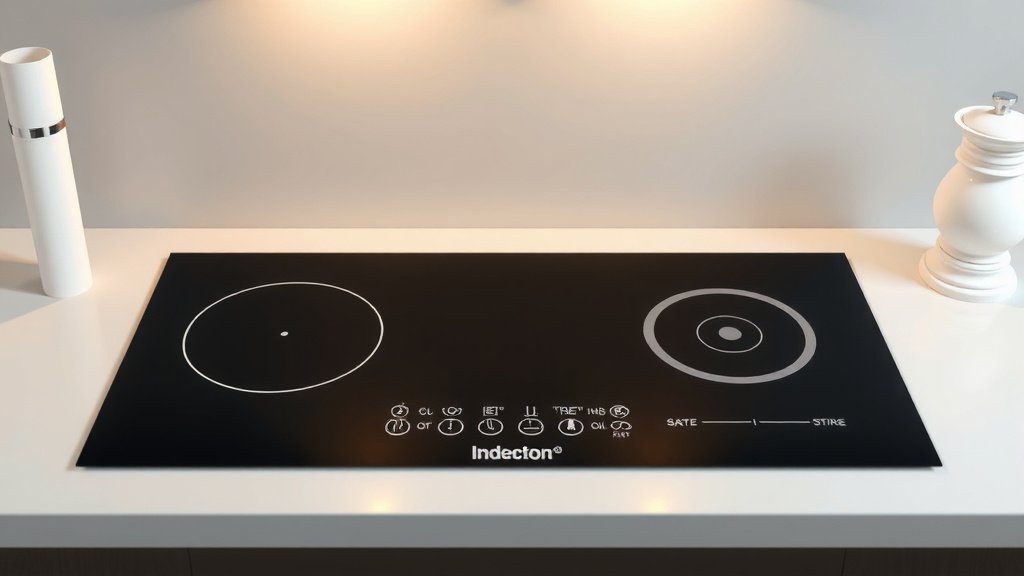
When comparing kitchen appliances, the question of whether an induction cooker is better than gas often comes up. Research and industry findings suggest that induction cooktops are generally more energy-efficient and offer superior temperature control compared to traditional gas ranges. They heat cookware directly using magnetic fields, leading to faster cooking and a safer kitchen environment.
Choosing between these two popular cooking methods can feel like a big decision for your kitchen. Gas stoves have been a long-time favorite for their responsive heat and familiar feel. But induction technology is rapidly gaining popularity for its unique advantages, including quicker boil times and a sleeker modern look that many homeowners love.
- Induction cooktops are more energy-efficient.
- They provide better temperature control.
- Induction heats cookware directly for safety.
- Gas offers traditional responsive heat.
- Induction can boil water much faster.
Let’s walk through the key differences to help you decide which cooker truly suits your cooking style and kitchen needs best.
Choosing the right cooktop for your kitchen is a big deal. You want something that makes cooking enjoyable and efficient. Many home chefs find themselves weighing the pros and cons of induction versus gas. Both have their fans for good reasons. But research and user experiences show distinct differences that might sway your decision.
Induction vs. Gas: A Closer Look at Cooking Performance
When you’re deciding between induction and gas, performance is key. How well do they heat, how precise is the control, and how quickly can you get dinner on the table? We’ve gathered information to help you see the practical differences.
Heating Speed and Responsiveness
One area where induction cooktops really shine is speed. They heat up incredibly fast. You can boil a pot of water much quicker than on a gas stove. This is because induction directly heats the cookware itself. It’s like magic, but it’s science!
Gas stoves, on the other hand, heat the air around the pot. This means some heat is always lost. While gas offers a visible flame that many cooks love for visual cues, it takes more time to reach the desired temperature. For anyone who is often in a hurry, this speed difference can be a major benefit.
Temperature Control Precision
Precise temperature control is vital for many recipes. Think of delicate sauces or perfectly seared steaks. Induction cooktops offer excellent control. They allow you to adjust the heat in very small increments. Many models feature digital displays showing exact temperature settings. This makes it easy to replicate results.
Gas stoves are also known for their responsiveness. You can see the flame change instantly when you turn the knob. This visual feedback helps many cooks feel in control. However, achieving the exact same low simmer or high sear every time can be trickier with gas. Small fluctuations in gas pressure can sometimes affect flame size.
Cooking Evenness
Do you ever get tired of hot spots on your pans? Induction cooktops tend to provide very even heat distribution. Since the pan itself is the heat source and is heated uniformly, your food cooks more evenly. This can lead to fewer burnt edges and undercooked centers.
Gas flames can create hot spots, especially if the flame licks up the sides of the pan. While a good quality pan can help distribute heat from a gas stove, induction generally has an edge here. Many culinary experts point to even heating as a significant advantage for induction (Food Network).
Efficiency and Energy Savings
Let’s talk about the practical side of running your cooktop. Energy efficiency matters for your wallet and the environment. When we looked at the numbers, induction cooktops came out ahead.
Energy Transfer Efficiency
Induction cooktops are remarkably efficient. They transfer about 85% of the energy directly to the food. This means less wasted heat in your kitchen. Gas stoves, in contrast, are much less efficient. They typically transfer only about 40% of their energy to the food.
The remaining energy from a gas stove is lost as heat into the surrounding air. This can also make your kitchen feel warmer, especially during hot weather. For those looking to reduce their energy bills and their carbon footprint, induction is often the preferred choice.
Environmental Impact Considerations
Beyond just energy bills, the environmental impact is something many homeowners consider. Because induction uses electricity more efficiently, it can lead to lower overall energy consumption. If your electricity comes from renewable sources, this makes induction even greener.
Gas stoves rely on natural gas, a fossil fuel. While gas cooktops are efficient in their own right, the source of their energy has environmental implications. Many environmental organizations discuss the benefits of transitioning to electric appliances where possible (Environmental Protection Agency).
Safety Features and Kitchen Environment
Your kitchen should be a safe place to work. This is another area where induction cooktops offer distinct advantages.
Surface Temperature and Burn Risk
A major safety benefit of induction is that the cooktop surface itself doesn’t get as hot as a traditional electric or gas stove. The heating element is the cookware, not the surface. The surface does get warm from residual heat from the pan, but it cools down much faster. This significantly reduces the risk of accidental burns. It’s a big relief if you have children or pets running around.
Gas stoves have open flames. Even with safety features, there’s always a potential risk if a flame is left on or if flammable materials get too close. The surrounding surfaces on a gas cooktop also get quite hot during cooking.
Air Quality and Ventilation
Gas stoves can release byproducts into the air as they burn fuel. These can include nitrogen dioxide and carbon monoxide. While the amounts released during typical cooking are usually small, over time they can affect indoor air quality. Many health organizations recommend good ventilation when using gas appliances (American Lung Association).
Induction cooktops, on the other hand, do not involve combustion. They use electricity and magnetic fields. This means they don’t release any harmful gases into your kitchen. This contributes to a cleaner and healthier indoor environment. You’ll still want good ventilation for steam and cooking odors, but not to remove combustion byproducts.
Cookware Compatibility and Installation
Before you buy, you need to consider your existing cookware and how the cooktop fits into your kitchen.
Induction Cookware Requirements
This is a big one for induction. You can only use cookware that is magnetic. This includes most cast iron and many stainless steel pans. You’ll need to check if a magnet sticks to the bottom of your pots and pans. If it does, they will work with induction. If your favorite non-stick or glass cookware isn’t magnetic, you’ll need to replace it.
Thankfully, many brands offer induction-compatible cookware, and you can often find great deals. It’s a small investment that unlocks the full potential of your induction cooktop. Many experts suggest bringing a magnet to the store when shopping for new pots and pans.
Gas Cooktop Compatibility
Gas stoves are generally more forgiving with cookware. Most types of pots and pans will work on a gas stove. This includes aluminum, copper, glass, and ceramic cookware, in addition to stainless steel and cast iron. You don’t typically need to worry about replacing your entire set of pots and pans when switching to gas.
Installation and Electrical Needs
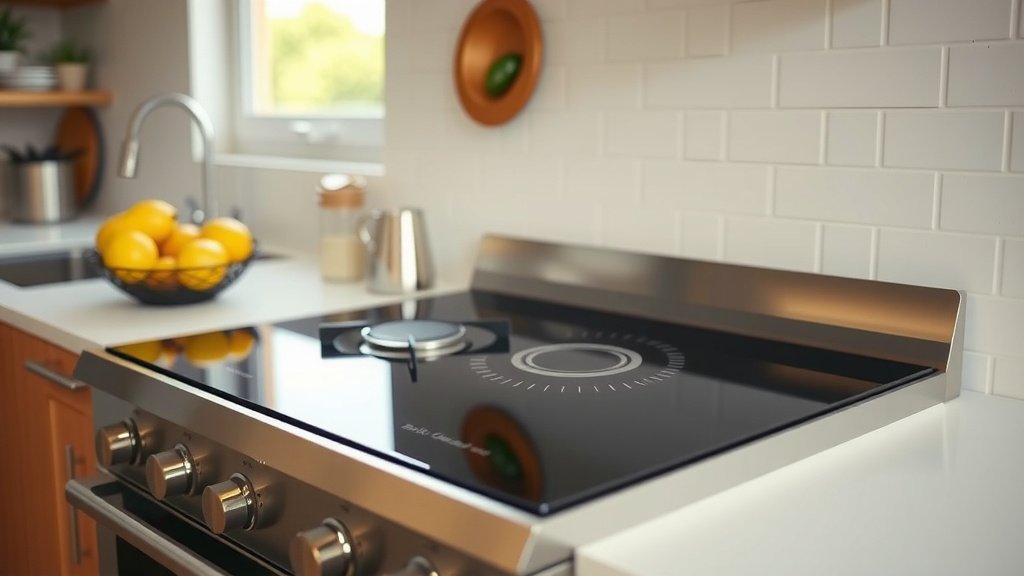
Installing a gas cooktop requires a natural gas line and a proper electrical connection for igniters. You’ll likely need a qualified professional to ensure it’s hooked up safely and up to code.
Induction cooktops are electric. They require a dedicated, high-voltage electrical circuit. This might mean upgrading your kitchen’s wiring, especially if you’re replacing an older gas stove. It’s important to consult with an electrician to ensure your home’s electrical system can support an induction cooktop. This is a factor that can sometimes add to the initial cost.
Cost Considerations: Upfront and Long-Term
The price tag is always a factor. What’s the initial investment, and what about the running costs?
Initial Purchase Price
Historically, gas cooktops have often been more affordable upfront than induction models. You can find a wide range of gas cooktops at various price points. Induction cooktops, especially high-end models, can be quite an investment. However, as induction technology becomes more common, you’re seeing more mid-range and budget-friendly options emerge.
Operating Costs
When you consider the long-term operating costs, induction often wins out due to its energy efficiency. While electricity prices vary by region, the direct energy transfer means you’re using less power overall to achieve the same cooking results. Gas prices also fluctuate, but the lower efficiency of gas stoves means you’re paying to heat the air around your pans.
Maintenance and Lifespan
Both types of cooktops can be quite durable. Gas stoves have fewer electronic components, which some people see as a plus for longevity. However, they can have parts that wear out over time, like igniters or gas valves.
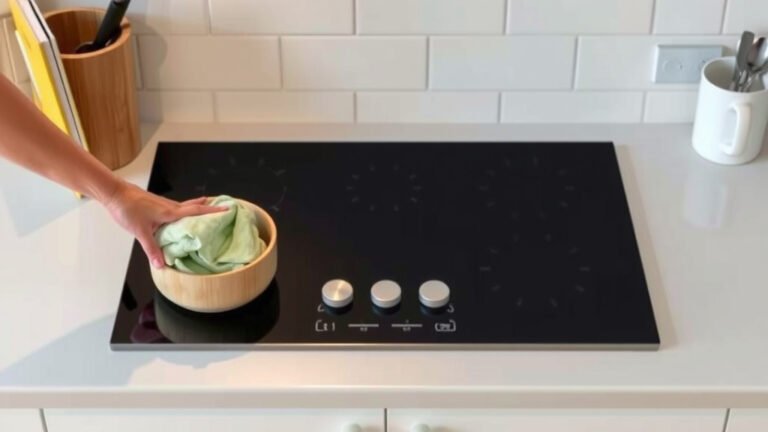
Induction cooktops have electronic controls and a glass-ceramic surface. While the glass can be prone to scratches if not cared for properly, the overall design is often sleek and easy to clean. Many modern induction cooktops are built to last, and their efficiency can lead to savings that offset any higher initial cost over their lifespan.
Here’s a quick checklist to help you summarize the key points:- Consider how quickly you need water to boil.
- Think about the level of temperature precision you need for your recipes.
- Check your current cookware to see if it’s magnetic.
- Factor in the need for a specialized electrical outlet for induction.
- Evaluate the safety benefits, especially if you have children.
- Compare the long-term energy costs based on your local utility rates.
Conclusion
So, is an induction cooker better than gas? For many, the answer is a strong yes, especially if speed, precision, and energy efficiency are your top priorities. Induction offers faster boiling, more exact temperature control, and a safer kitchen environment with its cool surface. While gas provides a visual flame and works with any cookware, induction’s direct heating method means less wasted energy and a cleaner kitchen.
Your choice depends on your cooking style, existing cookware, and kitchen setup. If you’re ready to upgrade your cooking experience and embrace modern technology, researching induction models that fit your budget and kitchen space is your next smart step.
Frequently Asked Questions
Do I really need to buy new pots and pans for an induction cooktop?
Yes, you will likely need to invest in new cookware. Induction cooktops require magnetic pots and pans, so check your current set with a magnet. Many stainless steel and cast iron items will work, but aluminum, copper, or glass might not.
Is induction cooking really faster than gas?
Absolutely. Induction cooktops heat your cookware directly, which is much faster than gas stoves that heat the air around the pot. You can boil water significantly quicker on an induction surface.
Are induction cooktops safe if I have kids?
Yes, induction cooktops are generally considered safer. The surface itself doesn’t get as hot as gas, reducing the risk of burns. It only heats the pan, and cools down much faster once the pan is removed.
How much more expensive are induction cooktops compared to gas?
Initially, induction cooktops can have a higher purchase price than comparable gas models. However, their superior energy efficiency can lead to lower operating costs over time, potentially making them more cost-effective in the long run.
Can I use my existing gas line hookup for an induction cooktop?
No, you cannot. Induction cooktops are fully electric and require a dedicated, high-voltage electrical circuit. You’ll need to consult an electrician to ensure your home’s wiring can support it, which might involve an upgrade.