What Is an Induction Cooker and How Does It Work
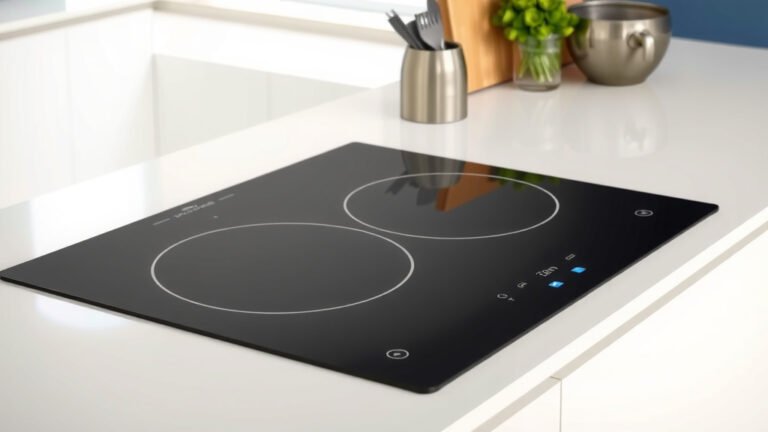
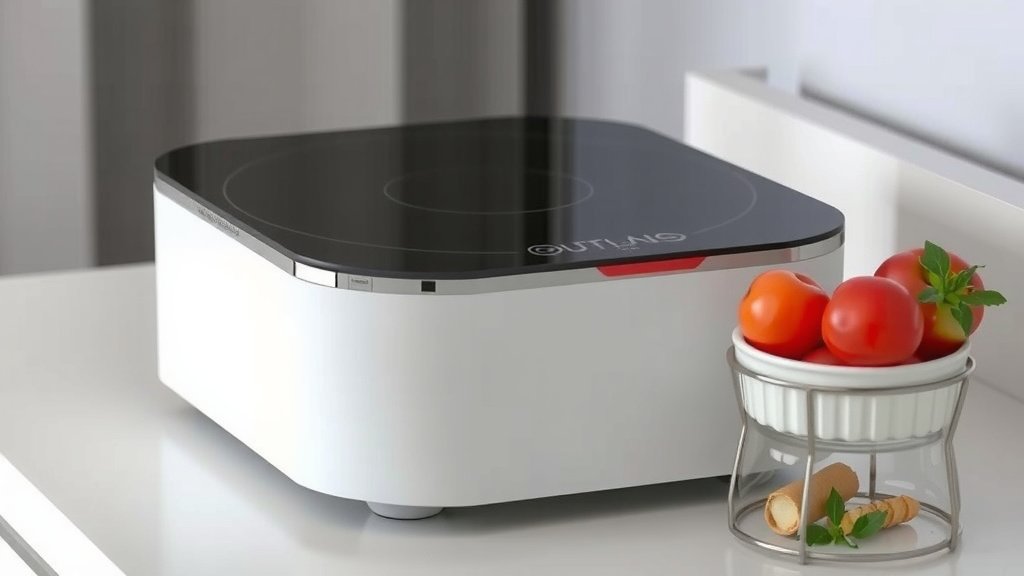
An induction cooker is a type of electric stove that uses electromagnetism to heat cookware directly. Instead of heating the air around your pan, it makes the pan itself the source of heat. This means you get faster cooking and more precise temperature control than traditional stovetops.
You might be wondering how this magic works. It’s all about a copper coil beneath the surface. When electricity flows through it, it creates a magnetic field that heats up ferromagnetic cookware. This energy transfer is incredibly efficient, making it a popular choice for kitchens today.
- Induction cookers heat pans directly using magnets.
- They cook food much faster than gas or electric stoves.
- You get precise temperature control for better results.
- Only magnetic cookware works on an induction cooktop.
- They are also more energy-efficient.
Ready to understand if an induction cooker is the right fit for your kitchen? Let’s dive into how these modern marvels actually work and what makes them so special.
How Does an Induction Cooker Actually Work?
So, you’re curious about the science behind these speedy stovetops. It’s less magic and more clever engineering. An induction cooker uses a special kind of heat. It relies on electromagnetism to get your pans nice and hot. Think of it like a direct connection between the cooker and your pot.
The Magnetic Field is Key
Beneath the smooth ceramic surface of your induction cooktop, there’s a coil of copper wire. When you turn the burner on, an alternating electric current flows through this coil. This creates a fluctuating magnetic field. It’s this magnetic field that does all the heavy lifting.
Heating the Pan, Not the Air
Here’s where the real difference lies. Unlike a gas or electric coil burner that heats the air around your pan, induction heats the pan itself. The magnetic field generated by the cooktop interacts with the metal of your cookware. Specifically, it causes the metal molecules in the pan to vibrate rapidly. This rapid vibration creates friction. And as we all know, friction generates heat. So, your pan becomes the actual heating element. This is incredibly efficient.
Why Only Magnetic Cookware?
This is a really important point. Because induction works by magnetism, it only works with pots and pans made of ferromagnetic materials. This means materials like cast iron and most types of stainless steel. Aluminum, copper, and glass cookware won’t work on their own. Why? Because they aren’t magnetic. The magnetic field can’t grab onto them to make them vibrate and heat up.
How can you tell if your cookware is induction-ready? It’s simple. Most manufacturers label their cookware. You’ll often see an induction symbol. Or, you can do a quick magnet test. If a magnet sticks firmly to the bottom of your pot or pan, it’s likely induction-compatible. If the magnet just slides off, you’ll probably need new cookware for your induction setup. Don’t worry, though. Most modern cookware designed for electric or gas stoves will work just fine.
The Benefits: Why People Love Induction
Now that we know how it works, let’s talk about why so many people are making the switch. Induction offers some pretty sweet advantages. They go beyond just looking sleek on your countertop.
Speed and Responsiveness
One of the most noticeable benefits is speed. Because the heat is generated directly in the pan, it’s incredibly fast. Water can boil much quicker than on a gas or traditional electric stovetop. We’re talking minutes, not ages. Plus, the responsiveness is amazing. Turn the heat down, and the pan cools almost instantly. Turn it up, and it heats up just as fast. It’s like having a dimmer switch for your cooking.
Energy Efficiency at Its Best
Think about how much heat escapes from a gas flame or a red-hot electric coil. A lot of energy goes into heating the surrounding air. Induction cooking minimizes this waste. Studies suggest induction cooktops are significantly more energy-efficient than other electric stoves. Some research points to energy savings of up to 40% or more compared to conventional electric cooktops (U.S. Department of Energy). This means it’s not only good for your cooking but also potentially for your utility bills.
Safer Kitchen Environment
Safety is a big deal in any kitchen. Induction cooktops are generally considered safer. The cooktop surface itself doesn’t get as hot as other electric stoves. It only gets warm from residual heat from the pan. This reduces the risk of accidental burns. Also, since there’s no open flame like with gas stoves, there’s no risk of gas leaks. The magnetic field also shuts off when there’s no cookware present, adding another layer of safety.
Easy Cleanup
Cleaning up after cooking can be a chore. Induction cooktops make it much easier. Because the surface doesn’t get extremely hot, spills and splatters are less likely to bake on. You can often just wipe them away with a damp cloth. The smooth, flat surface is simple to maintain. No grates to scrub or coils to clean around. Just a quick wipe-down is usually all it takes.
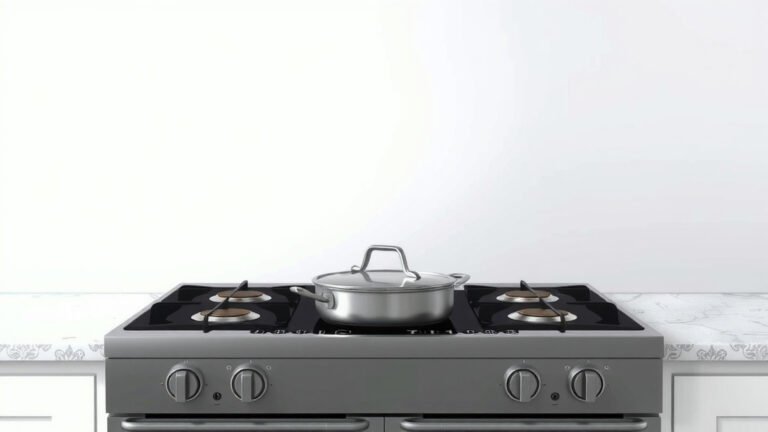
Induction vs. Other Cooktops: A Quick Comparison
It’s helpful to see how induction stacks up against the cooktops you might be used to. Here’s a little table to make it clear.
| Feature | Induction Cooktop | Gas Cooktop | Electric Coil/Smooth Top |
|---|---|---|---|
| Heating Method | Electromagnetism directly heats pan | Open flame heats pan | Heating element heats surface, then pan |
| Speed | Very Fast | Fast | Slow to Medium |
| Temperature Control | Very Precise | Precise | Less Precise |
| Energy Efficiency | High | Medium | Low to Medium |
| Safety | High (surface stays cooler) | Medium (open flame, gas risk) | Medium (surface gets very hot) |
| Cookware Needed | Magnetic (cast iron, most stainless steel) | Any | Any |
| Cleaning | Very Easy | Difficult (grates, burners) | Medium (surface can be scratched) |
Is an Induction Cooker Right for You?
Thinking about making the switch? Let’s consider a few things. If you value speed, precision, and energy efficiency, induction is a fantastic choice. It offers a modern, safe, and easy-to-clean cooking experience. You’ll get professional-level control over your cooking temperatures. This means fewer burnt meals and more culinary successes. Many chefs and home cooks alike are discovering the joys of cooking with induction.
Your Induction Cooker Checklist
Before you jump in, consider these quick points:
- Do you have magnetic cookware?
- Is your kitchen ventilation adequate?
- Are you comfortable with a new cooking style?
- What’s your budget for a new appliance?
- How much counter space do you have available?
- Are you ready for faster cooking times?
By considering these factors, you can make an informed decision about whether an induction cooker is the perfect addition to your kitchen.
Conclusion
You’ve now learned that an induction cooker is a modern kitchen appliance that uses electromagnetism to heat your cookware directly. This method brings impressive speed, remarkable temperature control, and enhanced energy efficiency to your cooking. While it requires magnetic cookware, the benefits of quicker meal prep and a safer, cleaner kitchen often outweigh this requirement. If you’re looking to upgrade your kitchen with a responsive and efficient stovetop, an induction cooker is definitely worth your consideration. Your next step could be to check your existing pots and pans for magnetic compatibility or research induction cooktop models that fit your kitchen space and budget.
Frequently Asked Questions
Do I really need new pots and pans for an induction cooker?
You’ll need cookware with a magnetic base. This includes most cast iron and many stainless steel pots and pans. You can easily test your current cookware by seeing if a magnet sticks firmly to the bottom.
Are induction cookers safe to use around children?
Yes, induction cooktops are generally safer. The cooking surface itself doesn’t get as hot as other electric stoves, reducing the risk of burns. Plus, there’s no open flame, eliminating gas leak concerns.
How does induction cooking compare to gas in terms of speed?
Induction cooking is typically faster than gas. Because the heat is generated directly in the pan, water can boil much quicker. You’ll also notice faster responses when you adjust the heat settings.
Can I still use my favorite copper or aluminum pans on an induction cooktop?
Unfortunately, pure copper and aluminum pans, along with glass cookware, are not magnetic and won’t work directly on an induction cooktop. You would need to use adapter discs or invest in induction-compatible cookware.
Is an induction cooker noisy to operate?
Some people notice a slight humming or buzzing sound when using an induction cooktop, especially at higher power settings. This is normal and comes from the magnetic field at work. It’s usually quite subtle and not disruptive for most users.