Layering Your Slow Cooker for Delicious Meals
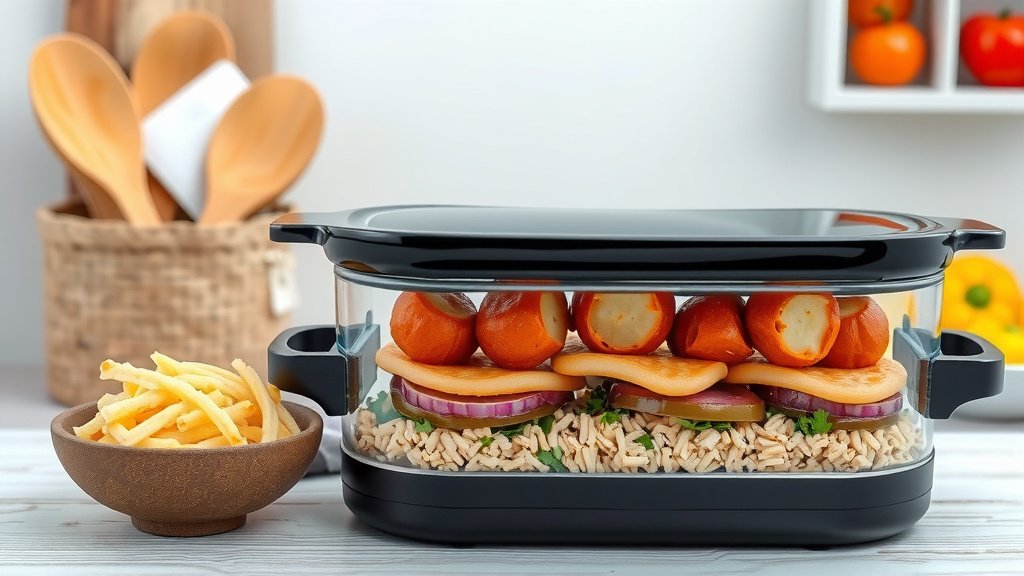
Layering food in your slow cooker is a smart way to cook full meals. You can cook your proteins, veggies, and starches all at once. The key is to place heavier ingredients on the bottom and lighter ones on top. This ensures everything cooks evenly and tastes delicious. It’s a fantastic method for busy weeknights.
Thinking about what goes where in the slow cooker can seem tricky. But don’t worry, it’s simpler than you think! The main goal is to avoid mushy vegetables or undercooked meat. Proper layering helps control cooking times and temperatures. We found that following a few simple rules makes all the difference.
- Always put denser foods like root vegetables at the bottom.
- Place your meats and proteins in the middle layer.
- Lighter, faster-cooking vegetables go towards the top.
- Liquids should surround the ingredients, not sit on top of everything.
Below, we’ll walk you through exactly how to layer your slow cooker meals for the best results every time. Let’s get your next delicious meal started!
Mastering Slow Cooker Layering for Perfect Meals
You want to cook a complete meal in your slow cooker without a mess or a sad, mushy outcome. The secret is knowing how to layer your ingredients. It’s like building a delicious culinary tower. We found that placing heavier, denser foods at the bottom is key. This helps them cook thoroughly without getting overcooked. Lighter ingredients go on top. This approach ensures even cooking for everything in the pot.
Why Layering Matters in Your Slow Cooker
Layering isn’t just about making things look pretty. It’s about smart cooking. Different foods need different amounts of time to cook. Root vegetables, like potatoes and carrots, take longer. Delicate ingredients, such as fish or spinach, cook very quickly. By layering properly, you protect these faster-cooking items from getting too soft. This technique helps prevent mushiness and ensures tender, perfectly cooked food every time. Many chefs agree that this thoughtful arrangement makes a big difference in the final dish.
The Foundation: What Goes on the Bottom
When you’re ready to start cooking, think about your densest ingredients first. These are your workhorses. They need the most heat and time to become tender. We’re talking about root vegetables. Think potatoes, sweet potatoes, carrots, parsnips, and onions. These vegetables create a sturdy base. They also release moisture as they cook, which helps steam the layers above. Research from culinary experts suggests placing these hearty vegetables at the very bottom of the slow cooker insert.
Root Vegetables: The Bottom Layer Stars
You’ll want to cut these root vegetables into uniform pieces. This ensures they cook evenly. About one-inch cubes are usually a good size. Larger pieces might not cook through. Smaller pieces could turn to mush. For example, if you’re making a beef stew, you’d chop your potatoes and carrots and put them right on the bottom. This way, they’re closest to the heat source and have the longest cooking time. It’s a simple but effective strategy.
Aromatics and Other Dense Ingredients
Other dense ingredients can also start your layering process. Things like whole garlic cloves or thick slices of celery can go down here too. These items also benefit from a longer cooking time. They soften nicely and infuse flavor throughout the dish. You might even put firmer winter squash, like butternut squash, in this bottom layer if your recipe calls for it.
The Middle Ground: Proteins and Heartier Components
Once your base is set, it’s time for the protein. This is usually the star of your slow cooker meal. Chicken pieces, roasts, pork shoulder, or even firm tofu can go here. Place your protein on top of the vegetables. You can arrange it evenly across the surface. This position allows the protein to cook thoroughly. It also lets it absorb the delicious flavors building up from the bottom layer.
Meat Placement for Even Cooking
Many cooking guides recommend placing larger cuts of meat, like a whole chicken or a pork roast, right in the middle. This helps ensure the heat circulates around it properly. If you’re using smaller pieces, like chicken thighs or cubed beef, spread them out over the vegetables. This prevents them from clumping together. The goal is to allow steam to reach all sides of the protein.
Other Mid-Layer Foods
Sometimes, you might have other ingredients that fit in this middle section. Think about thicker cuts of sausage or larger mushrooms. If they need a good amount of time to cook and soften, they can join the protein layer. Just make sure they aren’t crammed in. There should still be room for heat and steam to move around.
The Top Tier: Quick-Cooking Ingredients and Liquids
Now for the ingredients that cook the fastest. These are your delicate vegetables and anything that just needs a quick warm-through. This is where you’ll add things like leafy greens, peas, corn, or broccoli florets. They go on top of the meat or other middle-layer items. They’ll cook in the steam and heat generated from below. This keeps them from becoming overcooked and losing their texture and nutrients.
Leafy Greens and Delicate Veggies
Spinach, kale, and Swiss chard are perfect for the top layer. They wilt down considerably. Adding them too early would turn them into a sad, grey mass. Just stir them in during the last 30 minutes to an hour of cooking. This allows them to steam and soften perfectly. Peas and corn kernels can also be added near the end. They don’t need much time at all.
Getting the Liquids Right
Liquids are essential for slow cooking, but their placement matters. You don’t want to drown your ingredients. The liquid should surround them. Pour broths, sauces, or water around the sides of the slow cooker insert, between the food and the ceramic. This allows the ingredients to steam and cook evenly. Many recipes call for about 1/2 to 1 cup of liquid for a standard 4-6 quart slow cooker. However, always check your specific recipe. Too much liquid can make your meal soupy.
A Quick Layering Checklist
Here’s a simple guide to help you remember the layers:
- Bottom Layer: Root vegetables (potatoes, carrots, onions) and other dense items.
- Middle Layer: Proteins (meat, poultry, firm tofu) and heartier ingredients.
- Top Layer: Quick-cooking vegetables (broccoli, peas, spinach) and delicate items.
- Liquids: Pour around the sides, not directly on top.
- Herbs and Spices: Can be layered throughout or added near the end.
- Sauces: Some can be at the bottom for flavor, others can be added later.
It might seem like a lot to remember, but with a little practice, it becomes second nature. You’ll be a slow cooker layering pro in no time! This method helps you get a restaurant-quality meal with minimal effort.
| Ingredient Type | Typical Cooking Time | Layer Recommendation |
|---|---|---|
| Root Vegetables (Potatoes, Carrots) | 4-8 hours on Low, 2-4 hours on High | Bottom |
| Tougher Meats (Pork Shoulder, Beef Chuck) | 6-10 hours on Low, 3-5 hours on High | Middle |
| Tender Meats (Chicken Breasts/Thighs) | 2-4 hours on Low, 1-2 hours on High | Middle to Top (depending on size) |
| Delicate Vegetables (Broccoli, Peas) | 20-40 minutes | Top (add near end) |
| Leafy Greens (Spinach, Kale) | 10-20 minutes | Top (add near end) |
Understanding these general cooking times helps you place your ingredients strategically. For instance, you wouldn’t want to put delicate fish fillets on the bottom with potatoes. They would disintegrate. Instead, they’d go right on top, added in the last hour of cooking. Many home cooks find this table incredibly useful for planning their meals.
Conclusion
You’ve learned the art of slow cooker layering! Remember to build your meals from the bottom up, starting with dense root vegetables, followed by proteins, and finishing with quick-cooking greens. This smart arrangement ensures everything cooks evenly, preventing mushy veggies and overdone meats. Your slow cooker can now create perfectly balanced meals with minimal effort. Try layering your next favorite recipe and taste the delicious difference!
Frequently Asked Questions
Can I mix ingredients from different layers if I’m short on time?
While it’s best to layer as described, you can sometimes get away with minor mixing if you’re in a pinch. Just be mindful of cooking times. If you add quick-cooking vegetables too early, they might become mushy. It’s always safer to group similar cooking-time ingredients together when possible.
What if my recipe doesn’t specify layering?
If your recipe doesn’t provide layering instructions, use the general rules we’ve discussed. Start with the densest items like potatoes or carrots at the bottom. Place your meat in the middle. Add delicate vegetables like broccoli or spinach towards the top, or even stir them in during the last hour of cooking.
How do I prevent my chicken from drying out in the slow cooker?
Layering helps! Placing chicken breasts on top of denser ingredients like root vegetables allows them to cook in steam rather than sitting directly in liquid for too long. Ensure you’re using enough liquid around the ingredients and avoid overcooking. Bone-in chicken also tends to stay moister than boneless breasts.
Is it okay to put frozen meat on top of vegetables?
It’s generally not recommended to place frozen meat directly on top of vegetables, especially if you’re trying to layer for even cooking. Frozen meat takes much longer to cook, and the vegetables underneath could become overcooked and mushy by the time the meat thaws and cooks. Thaw your meat first for best results.
How much liquid should I use when layering?
The amount of liquid depends on your recipe and slow cooker size, but a good rule of thumb is enough to surround the bottom and middle layers without completely submerging everything. Aim for about 1/2 to 1 cup for a standard 4-6 quart cooker, pouring it around the sides. This allows ingredients to steam effectively without becoming waterlogged.