Master Browning Meat for Your Slow Cooker
Yes, browning your meat before adding it to the slow cooker is a step worth taking. It builds a richer, deeper flavor base for your dish. This simple step adds incredible depth that slow cooking alone can’t achieve.
When you brown meat, you create what chefs call the Maillard reaction. This reaction is what gives your food that delicious, savory, and slightly caramelized taste. It’s more than just color; it’s about developing complex flavor compounds. Browning also renders out some fat, which can make your final dish less greasy.
- Brown meat in batches for best results.
- Use medium-high heat to get a good sear.
- Don’t overcrowd the pan; give meat space.
- Scrape up browned bits from the pan; they are flavor gold!
Ready to see how easy it is to transform your slow cooker meals? Let’s walk through exactly how to brown meat perfectly for your slow cooker, step by step.
Getting the Best Flavor: Browning Your Meat for the Slow Cooker
So, you’re ready to make your slow cooker meal even more amazing? Browning your meat before it hits the pot is your secret weapon. It’s not just about making the meat look pretty; it’s about building a foundation of deep, savory flavor. This simple step transforms a good dish into a truly memorable one.
The Science Behind the Sizzle: What Browning Does
When you apply heat to meat, something magical happens called the Maillard reaction. It’s not just about browning; it’s about creating hundreds of new flavor compounds. This reaction happens when amino acids and sugars in the meat get hot. It gives food that wonderful, rich, roasted taste we all love. Think of it as adding an extra layer of deliciousness that slow cooking alone can’t replicate (National Turkey Federation).
Besides flavor, browning helps in another practical way. It renders out some of the excess fat. This means your final dish will likely be less greasy and more appealing. You’re essentially pre-cooking some of the less desirable elements, leaving you with the best of the meat.
Preparing Your Meat for the Pan
Before you even think about turning on the stove, let’s get your meat ready. For the best results, you want to start with meat that’s patted dry. Moisture is the enemy of browning; it steams the meat instead of searing it.
Pat It Dry, Really Dry
Grab some paper towels and give your meat a good pat-down. Don’t be shy! For larger cuts, make sure every surface is as dry as possible. This is a small step that makes a huge difference in achieving that coveted crust.
Consider the Cut
What kind of meat are you using? Browning works wonders for almost any cut destined for the slow cooker, from beef chuck roast to pork shoulder, and even ground meat. Even chicken thighs benefit from a quick sear. Remember, larger pieces will take longer to brown than smaller ones.
Choosing the Right Pan and Fat
The type of pan and the fat you use can also impact your success. A good, heavy-bottomed pan is your best friend here. It distributes heat evenly, preventing hot spots and ensuring consistent browning.
Pan Power: What Works Best?
Cast iron skillets are fantastic for browning. They get very hot and retain that heat well. A sturdy stainless steel pan can also do the job nicely. Avoid non-stick pans for this step, as they often don’t get hot enough to create a proper sear and can be damaged by high heat.
Fat Matters: Oils and Their Smoke Points
You’ll need a cooking fat with a high smoke point. This means it can withstand high heat without burning and creating unpleasant flavors. Good options include:
- Avocado oil
- Canola oil
- Vegetable oil
- Grapeseed oil
- Clarified butter (ghee)
Olive oil, especially extra virgin olive oil, has a lower smoke point and is generally not recommended for high-heat searing. We want the meat to brown, not the oil to smoke excessively (Harvard T.H. Chan School of Public Health).
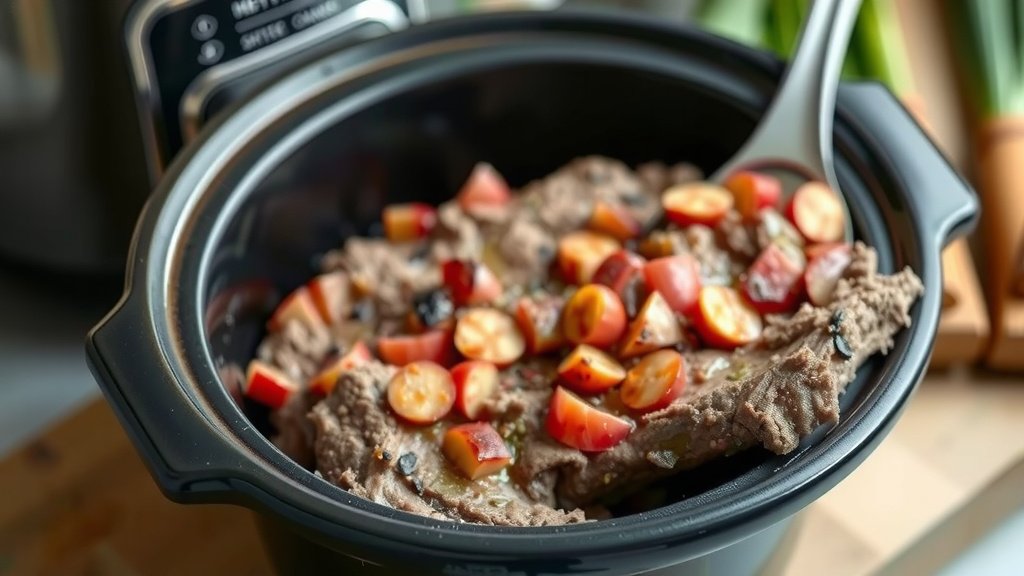
The Browning Process: Step-by-Step
Now for the main event! This is where the flavor magic truly happens. Patience here pays off handsomely.
Get the Pan Hot
Place your chosen pan over medium-high heat. Add your cooking fat – about a tablespoon should do for most recipes. Let the pan heat up until the fat is shimmering. You might see a faint wisp of smoke; that’s often a good sign the pan is ready.
Don’t Crowd the Pan!
This is arguably the most important tip for successful browning. If you put too much meat in the pan at once, the temperature will drop dramatically. Instead of searing, the meat will steam. Work in batches. Brown only as much meat as can fit in a single layer without touching.
For ground meat, break it up with a spoon as it cooks. For larger cuts like roasts or chicken pieces, ensure they have space around them. You might need to do this several times, depending on how much meat you’re browning.
Sear Each Side
Carefully place your meat into the hot pan. Let it cook undisturbed for several minutes. You’re looking for a deep, golden-brown crust to form. Resist the urge to poke and prod it constantly. Once one side is beautifully browned, flip it over and brown the other sides. For cubes of meat, turn them with tongs until all surfaces have a nice sear.
The Power of the Browned Bits
See those little brown bits stuck to the bottom of the pan? That’s pure flavor gold! These are called “fond,” and they are packed with taste. After you’ve browned your meat and removed it from the pan, you’ll want to deglaze the pan. Pour in a small amount of liquid – broth, wine, or even water – and use a wooden spoon to scrape up all those delicious bits from the bottom. This liquid, now infused with flavor, can be added to your slow cooker.
A Quick Checklist for Perfect Browning
Want to make sure you don’t miss a beat? Here’s a simple checklist:
- Pat meat completely dry.
- Use a heavy-bottomed pan.
- Choose an oil with a high smoke point.
- Heat pan to medium-high heat.
- Brown meat in single layers; don’t overcrowd.
- Scrape up browned bits (fond) after cooking.
What If I Can’t Brown the Meat?
Life happens, and sometimes you’re short on time or equipment. While browning is highly recommended, your slow cooker meal won’t be a complete disaster if you skip it. However, you will miss out on that extra depth of flavor and slightly richer texture. Many experts suggest adding extra herbs and spices to compensate if you can’t brown.
| Meat Type | Pan Heat | Browning Time (per side) | Fat Needed |
|---|---|---|---|
| Ground Meat | Medium-High | 5-7 minutes (broken up) | 1-2 Tbsp |
| Cubed Meat (Beef/Pork) | Medium-High | 3-4 minutes | 1-2 Tbsp |
| Larger Cuts (Roast) | Medium-High | 5-8 minutes | 2-3 Tbsp |
| Chicken Pieces | Medium-High | 4-6 minutes | 1-2 Tbsp |
This table is a general guide. Cooking times can vary based on your stove and pan. Always look for that lovely golden-brown color.
Conclusion
You’ve learned that browning meat before slow cooking is a game-changer for flavor. That simple sear creates the delicious Maillard reaction, adding depth and richness that elevates your meal. Remember to pat your meat dry, use the right pan and fat, and most importantly, avoid overcrowding the pan. You’re now equipped to transform your slow cooker dishes from good to absolutely unforgettable. Next time you prep your slow cooker meal, make sure to build that flavor foundation with a proper sear!
Frequently Asked Questions
Can I skip browning meat for my slow cooker?
Yes, you can skip browning if you’re short on time or equipment. Your slow cooker meal will still be edible. However, you’ll miss out on the deeper flavor and richer texture that browning provides. Many suggest adding extra seasonings to compensate if you skip this step.
What’s the best fat to use for browning meat?
You need a fat with a high smoke point to avoid burning. Avocado oil, canola oil, vegetable oil, grapeseed oil, or ghee are excellent choices. Olive oil, especially extra virgin, has a lower smoke point and is best avoided for high-heat searing.
Why shouldn’t I crowd the pan when browning meat?
Crowding the pan lowers its temperature, causing the meat to steam instead of sear. This prevents the development of that crucial flavorful crust. Browning in small batches ensures each piece gets direct contact with the hot pan for optimal browning.
What are those brown bits at the bottom of the pan?
Those dark brown bits are called “fond,” and they are packed with intense flavor. After you remove the meat, deglaze the pan by adding a little liquid (like broth or wine) and scraping up the fond with a spoon. This flavorful liquid can then be added to your slow cooker.
How do I know when the meat is properly browned?
You’re looking for a deep, golden-brown crust on the surface of the meat. This typically takes a few minutes per side, depending on the thickness and type of meat. Don’t be afraid to let it sear undisturbed to develop that beautiful color and flavor.