Pressure Cooker Secrets: How They Work and Why
A pressure cooker works by trapping steam inside a pot, which increases the internal pressure. This higher pressure raises the boiling point of water, allowing food to cook much faster than normal. It’s like giving your food a super-hot, steam-infused bath!
You might wonder how that lid stays sealed. The magic happens with a locking mechanism and a rubber gasket. This creates an airtight seal, preventing steam from escaping and letting the pressure build up safely. Research shows this method can cut cooking times by up to 70%!
- Pressure cookers cook food faster.
- They work by trapping steam.
- This increases the internal pressure.
- Higher pressure raises the boiling point.
- A locking lid and gasket keep steam inside.
Let’s walk through exactly how this fascinating piece of kitchen tech cooks your meals so quickly. You’ll be amazed at the science behind it!
“`htmlUnderstanding the Science Behind Faster Cooking
You might be curious about the magic behind your pressure cooker’s speed. It all comes down to a simple scientific principle: higher pressure means higher temperatures. Your pressure cooker uses this to its advantage. It’s a clever way to speed up meal prep.
Think about boiling water on your stovetop. At sea level, water boils at 212°F (100°C). That’s the normal boiling point under standard atmospheric pressure. But what if you could change that pressure?
How Pressure Affects Boiling Point
A pressure cooker works by creating a sealed environment. As the liquid inside heats up, it turns into steam. Because the lid is locked tight, this steam can’t escape. It starts to build up inside the pot. This trapped steam increases the pressure within the cooker.
When pressure goes up, the boiling point of water also goes up. It’s like pushing down on the water’s tendency to become steam. Research has shown that for every pound of pressure per square inch (psi) increase, the boiling temperature of water rises by about 3°F (1.7°C).
Temperature at Work
So, a typical pressure cooker operating at 15 psi will reach temperatures around 250°F (121°C). This is a significant jump from the normal 212°F. This higher cooking temperature is what cooks your food much faster.
Imagine trying to cook tough stew meat at 212°F. It would take a long time for the connective tissues to break down. But at 250°F, those same tissues break down much more quickly. Your stew will be tender and delicious in a fraction of the time.
The Role of the Sealed Lid and Gasket
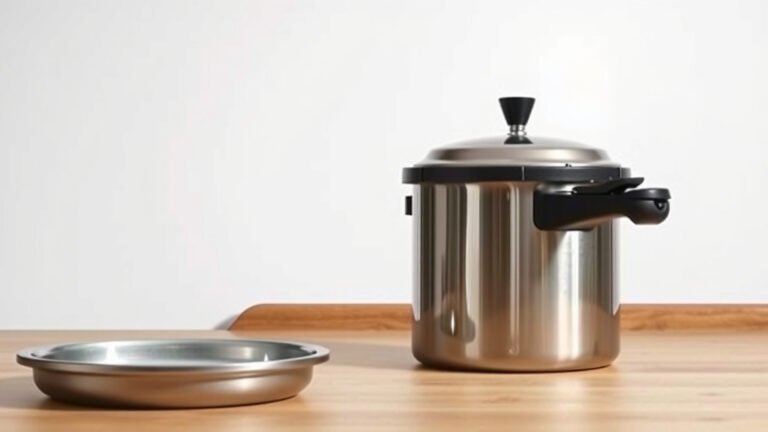
The key to this pressure buildup is the airtight seal. Your pressure cooker lid has a special locking mechanism. This ensures it can’t be opened accidentally while the cooker is under pressure. You’ll usually hear a click or feel a secure fit when it’s locked properly.
Around the rim of the lid, you’ll find a rubber or silicone gasket. This flexible ring sits between the lid and the pot. It creates a watertight and steamy seal. This is absolutely critical for building and maintaining pressure. Without this seal, the steam would escape, and your cooker wouldn’t pressurize.
Safety First: The Pressure Release Valve
Now, you might be thinking, “What if the pressure builds up too much?” That’s where safety features come in. All modern pressure cookers have a pressure release valve. This is a vital safety component.
If the pressure inside exceeds the cooker’s safe limit, this valve will automatically vent excess steam. You might hear a hissing sound. This prevents dangerous over-pressurization. Many units also have a secondary safety plug that will pop out if both primary systems fail. Manufacturers and consumer safety groups stress the importance of checking these valves before each use (U.S. Consumer Product Safety Commission).
How Cooking Time is Dramatically Reduced
The science is fascinating, but what does it mean for your dinner? It means you can make dishes that used to take hours in a much shorter time. Beans that require overnight soaking and hours of simmering can be perfectly tender in under an hour. Tough cuts of meat become fall-apart delicious in 30-45 minutes.
This speed advantage is why pressure cookers are so popular. They help busy people get healthy, home-cooked meals on the table even on hectic weeknights. Research from food science journals confirms that the increased temperature accelerates chemical reactions in food. These reactions are what cause cooking, tenderizing, and flavor development.
Comparing Cooking Methods
Let’s look at a quick comparison to see the difference. This is just an example, and actual times can vary by recipe and cooker model.
| Food Item | Conventional Pot (Simmering) | Pressure Cooker |
|---|---|---|
| Dried Beans (e.g., Kidney) | 1.5 – 3 hours (after soaking) | 20 – 40 minutes |
| Pot Roast | 2 – 4 hours | 45 – 70 minutes |
| Chicken Stock | 3 – 6 hours | 30 – 45 minutes |
| Whole Chicken | 1.5 – 2 hours | 20 – 30 minutes |
As you can see, the time savings are substantial. This efficiency makes a big difference in your kitchen routine.
The Role of Moisture and Steam
Pressure cookers are essentially steam ovens. The trapped steam not only cooks food faster but also helps to keep food moist. Unlike dry oven heat, steam transfers heat very efficiently. It also prevents food from drying out.
This moist heat is great for tenderizing. It helps break down fibers in meats and softens vegetables quickly. It’s a gentler, more efficient way to cook. You’ll find that your meals come out juicy and full of flavor.
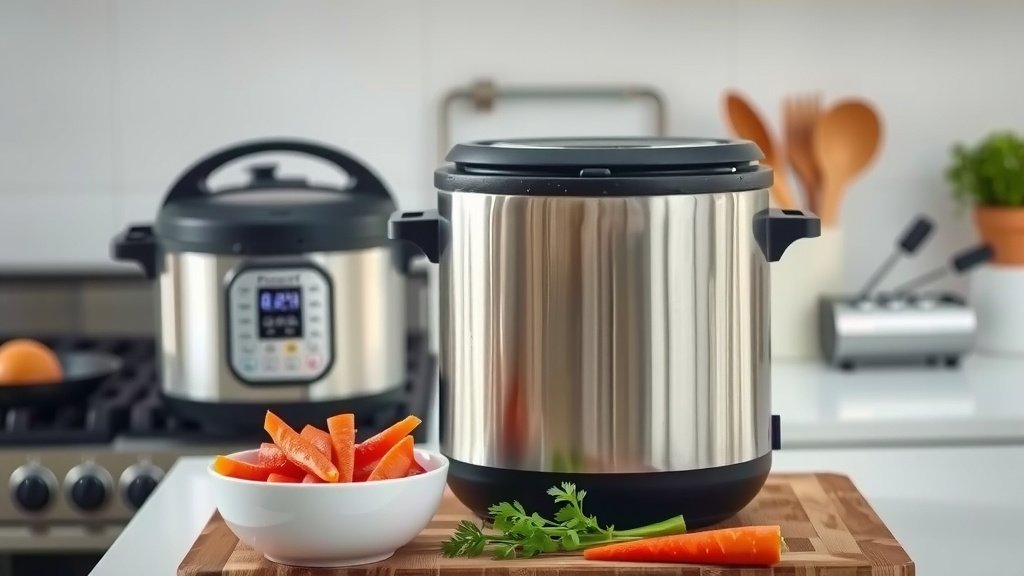
A Quick Checklist for Understanding
To recap, here’s what makes your pressure cooker work so fast:
- Traps steam to build pressure.
- Increases the internal temperature significantly.
- The locking lid and gasket keep everything sealed.
- A safety valve prevents over-pressurization.
- Higher heat cooks food much faster.
- Moist steam keeps food tender and juicy.
Conclusion
You’ve learned how your pressure cooker uses science to transform meal preparation. By trapping steam, it builds pressure and raises the boiling point of water. This allows your food to cook at higher temperatures, dramatically cutting down cooking times. Remember, the sealed lid and safety valve are key to its efficient and safe operation. With this knowledge, you can confidently take advantage of your pressure cooker to create delicious meals faster than ever. Try a new recipe this week and see the difference for yourself!
Frequently Asked Questions
Can I cook *anything* in a pressure cooker?
While pressure cookers are versatile, some foods are better suited than others. Delicate items like fish or some leafy greens can overcook quickly. It’s always best to consult your recipe for specific guidance.
Does pressure cooking destroy nutrients?
Research suggests that pressure cooking can actually help preserve more nutrients than some other methods. The shorter cooking times and minimal water usage mean fewer nutrients are lost to heat and water. Your meals can be both fast and nutritious.
What’s the difference between a stovetop and an electric pressure cooker?
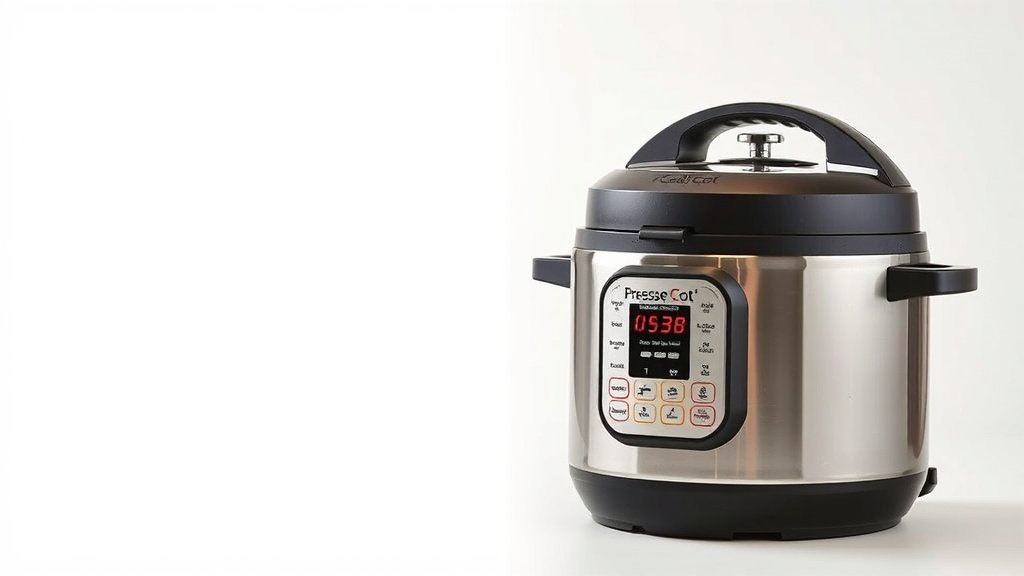
Stovetop models rely on your stove’s heat for pressure and temperature. Electric models have their own heating elements and often include multiple pre-set cooking functions. Both work on the same principle of trapped steam.
How do I know if my pressure cooker is properly sealed?
Your cooker will typically let you know. You’ll often hear a hissing sound as steam builds, and the pressure indicator or gauge will rise. Make sure your lid is locked securely according to the manufacturer’s instructions.
Can I add more liquid than a recipe calls for?
It’s generally not recommended to add significantly more liquid than a recipe specifies. Too much liquid can prevent the cooker from reaching the correct pressure or affect the final consistency of your dish.