How to Clean Your Electric Cooker for a Sparkling Finish
The easiest way to clean an electric cooker is to wipe down surfaces with a damp cloth after it cools. For tougher spots, use a mild detergent and a soft sponge. Regular cleaning prevents buildup, keeping your cooker looking its best. It’s a simple process that won’t take long.
Keeping your electric cooker clean is more than just about looks. Research shows that a clean appliance can cook more evenly and efficiently. It also helps prevent unpleasant odors from lingering. We found that a quick wipe-down after each use makes deep cleaning much easier later.
- Wipe down the cooker when cool.
- Use mild soap for stubborn stains.
- Avoid abrasive cleaners on surfaces.
- Clean up spills immediately.
Ready to get your electric cooker sparkling? Let’s walk through exactly how to tackle different parts of your cooker, step by step.
Keeping Your Electric Cooker Sparkling Clean
Getting your electric cooker spotless is easier than you might think. A clean cooker not only looks better but also works more efficiently. You’ll find that food cooks more evenly. Plus, you’ll avoid those lingering, unpleasant smells. We’ll walk you through cleaning each part so you can get back to enjoying delicious meals.
Daily Wipe-Downs: Your First Line of Defense
The best way to keep your electric cooker clean is with a quick wipe after each use. Once the cooking surface has cooled down, grab a damp cloth. Gently wipe away any spills or splatters. This simple step prevents food bits from baking on. It makes deeper cleaning much less of a chore.
What You’ll Need for Daily Cleaning
For your everyday cleaning, you really only need a couple of things:
- A soft, damp cloth or sponge.
- A small amount of mild dish soap if needed.
Avoid using paper towels for wiping down the cooktop. They can sometimes leave lint behind. Research shows that microfiber cloths are excellent for removing grime without scratching surfaces (Good Housekeeping Institute).
Tackling Stubborn Stains and Spills
Sometimes, spills happen, and they dry into tough spots. Don’t panic! For these, you can use a little bit of mild dish soap mixed with warm water. Dip your soft sponge or cloth into the soapy water. Gently scrub the stained area. Rinse the sponge and wipe the area again with plain water to remove any soap residue. Finally, dry the surface thoroughly with a clean, dry cloth.
Deep Cleaning Your Electric Cooker Elements
Electric cookers often have heating elements that need special attention. These can get greasy and grimy from cooking. The best approach is to be gentle to avoid damaging them. Always ensure the cooker is completely cool and unplugged before you start.
Cleaning Coil Burners
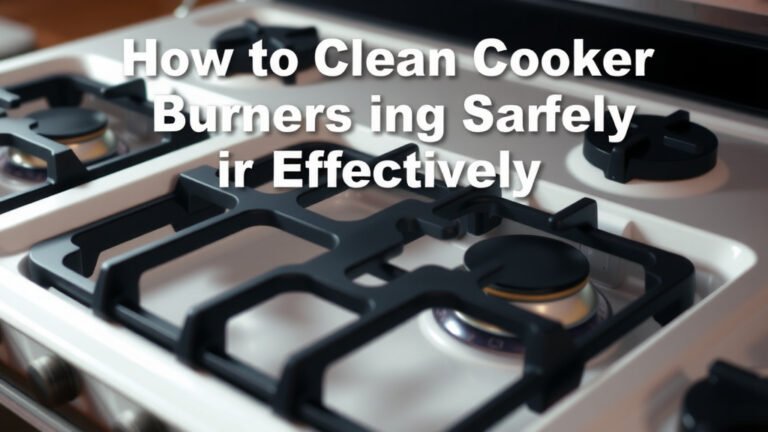
If your electric cooker has coil burners, you can usually lift them up. This gives you access to the area underneath. Wipe down the coils themselves with a damp cloth. For burnt-on food, you can use a paste made from baking soda and water. Apply it to the stain, let it sit for a few minutes, then gently wipe it away. Many experts suggest avoiding harsh chemicals on these parts (Appliance Manufacturer Association).
Removing Burnt-On Food from Coils
For really tough bits on the coils, try this baking soda paste trick. Mix about half a cup of baking soda with a tablespoon or two of water. You want a thick paste. Apply it directly to the burnt-on spots. Let it sit for about 15-20 minutes. Then, use a soft brush or a damp cloth to wipe it away. Rinse the cloth and wipe again to remove all residue.
Cleaning Smooth Ceramic or Glass Cooktops
These cooktops look sleek but can show every fingerprint and spill. They require a specific cleaning approach to keep them looking new. We found that regular cleaning is key here.
Everyday Care for Glass Cooktops
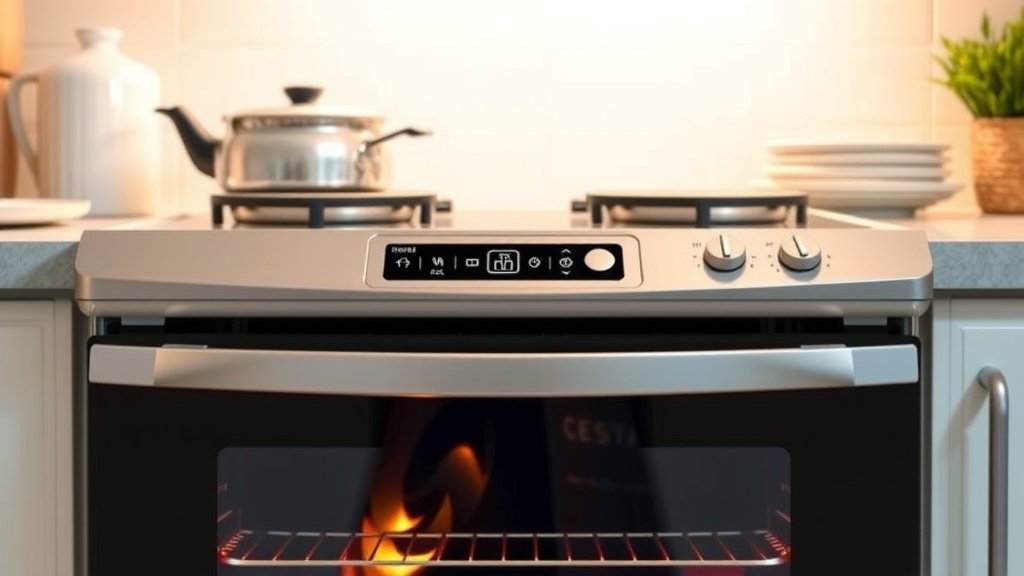
After each use, once cooled, wipe down your glass cooktop with a damp cloth. For fingerprints or light splatters, this is often enough. If you notice smudges, use a cleaner specifically designed for glass cooktops. Spray it on and wipe with a soft cloth.
Tackling Tough Stains on Glass Cooktops
Burnt-on food or sugary spills can be tricky on glass. You’ll want a cooktop scraper tool. These have a razor blade designed for this purpose. Hold the scraper at a low angle to the glass. Gently push it under the burnt-on food to lift it away. Be patient; don’t force it. After scraping, clean the area with a glass cooktop cleaner and a soft cloth. Many manufacturers recommend this method for deep cleaning.
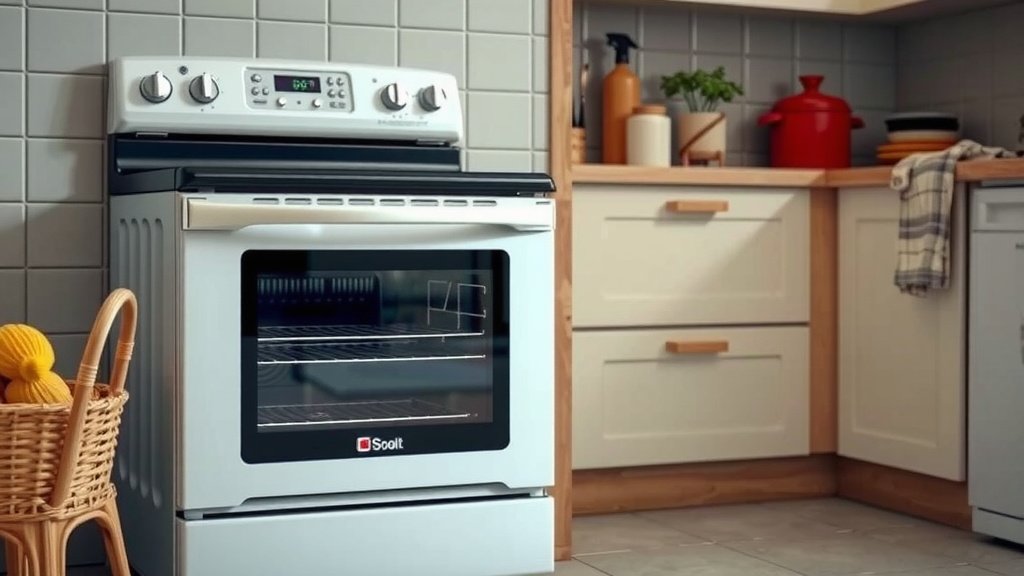
Cleaning the Rest of Your Electric Cooker
Don’t forget the other parts of your electric cooker! The control panel, knobs, and exterior also need a good cleaning to keep your appliance looking complete.
Wiping Down the Control Panel and Knobs
The control panel can get greasy from kitchen steam. Use a slightly damp cloth to wipe it down. For stubborn grime on knobs, you can often remove them. Check your cooker’s manual for how to do this safely. Once removed, wash them in warm, soapy water. Dry them completely before reattaching them. This prevents water from getting into the electronics.
Cleaning the Cooker Exterior
The exterior of your electric cooker can be cleaned with a mild all-purpose cleaner or soapy water. Spray the cleaner onto a cloth, not directly onto the cooker. Wipe down the sides and front. Pay attention to areas around the control panel and oven door. For stainless steel exteriors, use a stainless steel cleaner and wipe in the direction of the grain.
Here’s a quick checklist to help you maintain a clean electric cooker:
- Wipe down the cooktop after it cools.
- Use a cooktop scraper for burnt-on food on glass.
- Clean heating elements gently.
- Remove and wash knobs if they are dirty.
- Wipe down the exterior with a mild cleaner.
- Ensure everything is dry before turning the cooker back on.
Conclusion
You’ve now got a clear roadmap to a sparkling electric cooker! Remember, consistent daily wipe-downs are your secret weapon against tough grime. Don’t shy away from tackling stubborn spots with the right tools and a little patience. You’ve learned how to clean your cooker’s elements, glass top, and exterior, ensuring it looks and performs its best. The next step is simple: make that quick post-meal clean a habit. You’ll thank yourself later for the easier deep cleans!
Frequently Asked Questions
How often should I deep clean my electric cooker?
A deep clean is typically needed every 1-3 months, depending on your cooking habits. If you notice significant grease buildup or stubborn burnt-on food, it’s time for a more thorough cleaning session.
Can I use oven cleaner on my electric cooker top?
It’s best to avoid harsh oven cleaners on your electric cooker top, especially glass or ceramic surfaces. These cleaners can be too abrasive and may damage the finish. Stick to mild dish soap or specialized cooktop cleaners.
What should I do if I spill sugary food on a hot glass cooktop?
If sugary food spills on a hot glass cooktop, let it cool slightly first. Then, carefully use a cooktop scraper held at a low angle to gently lift the hardened sugar. Clean the residue with a glass cooktop cleaner afterward.
Are baking soda and water safe for cleaning electric coil burners?
Yes, a paste of baking soda and water is generally safe and effective for cleaning burnt-on food from electric coil burners. Apply the paste, let it sit, and then gently wipe it away with a damp cloth. Always ensure the coils are cool and unplugged.
How do I clean the stainless steel exterior without streaks?
To clean a stainless steel exterior without streaks, always wipe in the direction of the grain. Use a cleaner specifically designed for stainless steel or a damp microfiber cloth with a little mild dish soap. Dry immediately with a clean, dry microfiber cloth.