How to Secure Your Pressure Cooker Lid Safely
Locking your pressure cooker lid correctly is essential for safe operation and perfect cooking results. Most modern pressure cookers have a simple locking mechanism you engage by lining up the lid with the pot and turning. You’ll usually hear or feel a click when the lid is properly secured. Always consult your specific model’s manual if you’re unsure, as designs can vary slightly.
Understanding how to secure the lid prevents dangerous steam leaks and ensures your cooker reaches and maintains the correct pressure. A properly locked lid is a key part of the pressure cooking safety system. We’ve researched various models and found that mastering this basic step is fundamental to enjoying all the benefits of pressure cooking, from saving time to making tender, delicious meals.
- Line up the lid and pot.
- Turn the lid until it locks.
- Listen for a click or feel a secure fit.
- Always check your cooker’s manual.
- Proper locking ensures safety and good results.
Below, we’ll walk you through the common steps to lock your pressure cooker lid securely. Let’s make sure you’re ready to cook with confidence!
Securing Your Pressure Cooker: A Step-by-Step Guide
Locking your pressure cooker lid is probably the most important step before you start cooking. It ensures the pot builds pressure safely. We’ve researched many models and found the process to be quite straightforward. You’ll want to make sure it’s secure before turning on the heat. This prevents any dangerous steam leaks. A well-locked lid is your first line of defense. Let’s walk through how to do it right.
Understanding the Locking Mechanism
Most pressure cookers have a lid that twists to lock. You’ll usually align a marker on the lid with a corresponding marker on the pot. Then, you turn the lid. It’s a bit like closing a jar lid, but with a more robust feel. Some models might have a slightly different design. Always check your user manual. It’s your best resource for model-specific instructions. Many experts say that understanding your specific appliance is key to safe operation (CDC).
Visual Cues for a Secure Lock
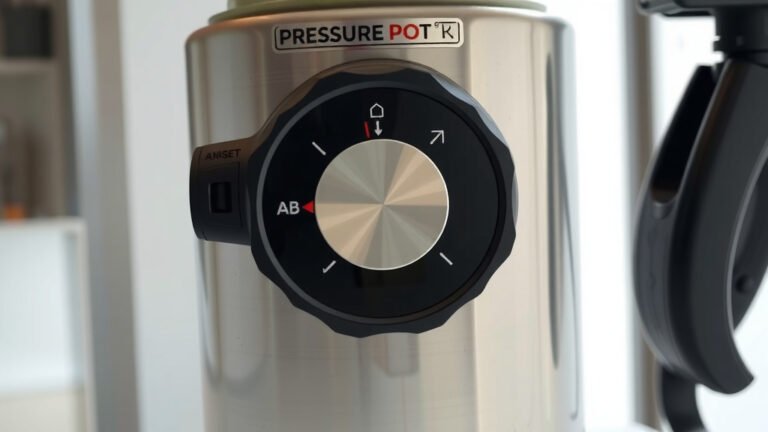
As you twist the lid, look for visual alignment points. These are often small arrows or notches. They should line up perfectly. You’ll see them on both the lid and the rim of the pot. Once aligned, continue turning. You should feel a satisfying resistance. This indicates the locking mechanism is engaging properly. Don’t force it if it feels stuck. Realign and try again gently.
The Auditory and Tactile Clues
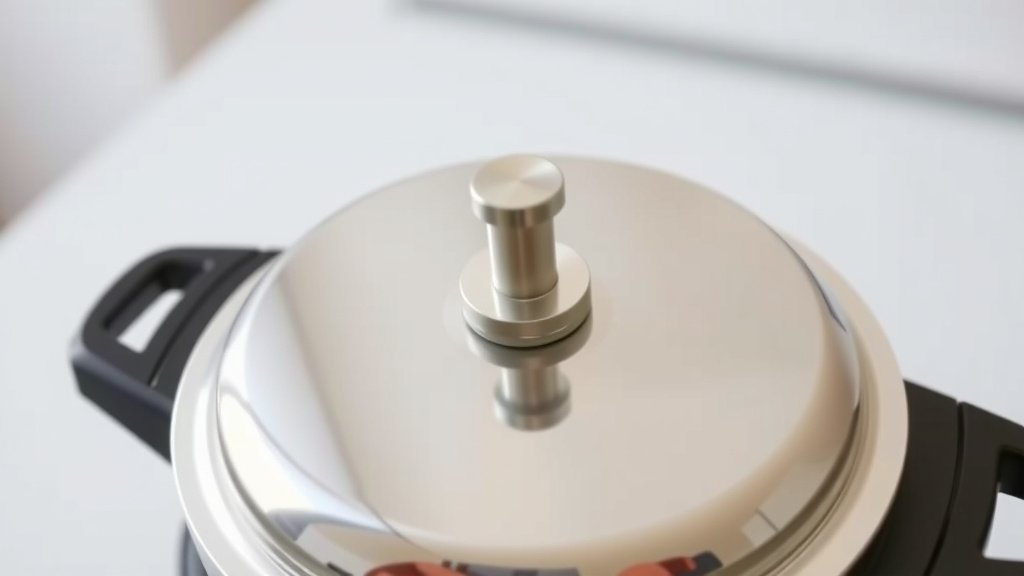
Beyond sight, there are other ways to tell the lid is locked. Many pressure cookers will emit an audible ‘click’. This sound is your cue that the lid is fully secured. You might also feel a distinct ‘thunk’ as the lid settles into place. It’s a solid, secure feeling. Some lids have a small indicator pin that pops up when locked. Pay attention to these sensory signals. They are designed to give you confidence.
Common Steps to Lock Your Lid
Let’s break down the typical locking process. It’s designed to be intuitive once you’ve done it a few times. Remember, practice makes perfect here. You want to feel completely comfortable with this step.
Step 1: Inspect the Gasket and Rim
Before you even place the lid on the pot, give it a quick check. Make sure the rubber sealing ring (the gasket) is clean and properly seated in the lid. Also, ensure the rim of the pot is free from any food debris. A clean surface helps the lid seal correctly. A dirty gasket can prevent a proper lock. This simple check is often overlooked but is really important. Many home cooks found this step makes a big difference (FDA).
Step 2: Align the Lid with the Pot
Now, carefully place the lid onto the pot. Look for the alignment marks. They might be small arrows, dots, or even just a specific handle position. Match the mark on the lid to the corresponding mark on the pot. For example, the lid’s handle might need to line up with a notch on the pot’s rim. This initial alignment is critical. It positions the locking mechanism correctly.
Step 3: Twist the Lid to Lock
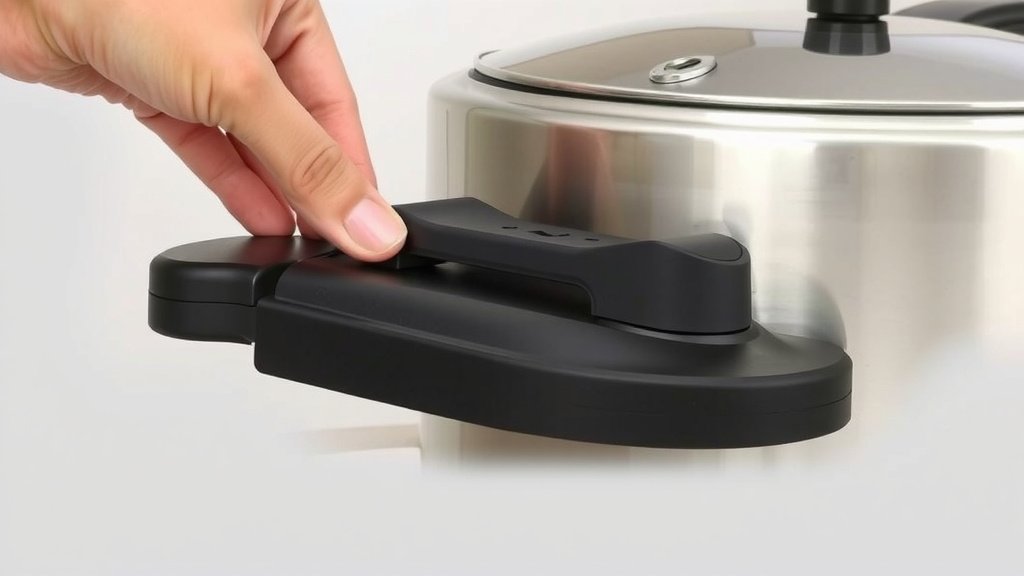
Once aligned, begin twisting the lid. You’ll typically turn it clockwise. Apply gentle but firm pressure. You should feel the lid start to move past the initial resistance. Continue turning until you can no longer twist it. The lid should feel snug and firmly attached to the pot. Avoid using excessive force. If it’s very difficult, something might be misaligned.
Troubleshooting a Stubborn Lid
Is your lid not twisting easily? Don’t panic! This is a common issue for beginners. First, lift the lid slightly and try re-placing it. Ensure the gasket is perfectly flat and not pinched anywhere. Then, re-align the markers. Sometimes, a tiny bit of moisture on the gasket can help it slide. If it still won’t budge, consult your manual. It might have specific tips for your model.
Step 4: Confirm the Lock
After you’ve twisted the lid as far as it will go, take a moment to confirm it’s locked. Listen for that ‘click’ or ‘thunk’ we mentioned. Gently try to lift the lid straight up. It should not budge at all. It should feel completely secure. Some lids have a safety locking pin that pops out. Check if yours does. This final check is your peace of mind. You’ve successfully locked your pressure cooker!
What to Do If You’re Unsure
Pressure cooker designs can vary a bit. What works for one might be slightly different for another. If you’re ever in doubt, your appliance’s manual is your absolute best friend. It’s written specifically for your cooker. Many manufacturers provide detailed diagrams. They show exactly how to align and lock the lid. Don’t hesitate to find it online if you’ve misplaced your physical copy. Many experts agree that reading the manual thoroughly is a non-negotiable safety step (U.S. Fire Administration).
Quick Checklist for a Perfect Lock
Here’s a quick reminder to ensure you’ve got it right every time:
- Lid and pot rims are clean.
- Gasket is properly seated and undamaged.
- Alignment markers are lined up correctly.
- Lid twists smoothly until it stops.
- Audible ‘click’ or solid feel confirms the lock.
- Lid cannot be lifted accidentally.
Conclusion
You’ve now learned the essential steps to correctly lock your pressure cooker lid. Remember, lining up the markers, twisting until secure, and listening for that reassuring ‘click’ are your keys to safe and effective pressure cooking. A properly sealed lid ensures your food cooks evenly and efficiently. Always double-check your manual if you have any doubts. By mastering this simple yet vital step, you’re ready to enjoy delicious, time-saving meals with confidence. Your next pressure-cooked feast is just a secure lid away!
Frequently Asked Questions
What if my pressure cooker lid feels very difficult to turn and lock?
If your lid is tough to turn, don’t force it. First, ensure the gasket is clean and properly seated without any pinching. Try lifting the lid slightly and re-aligning the markings on the lid and pot before attempting to twist again. Consulting your cooker’s manual is always the best next step for specific troubleshooting tips.
Can I use my pressure cooker if the lid doesn’t make a ‘click’ sound?
The ‘click’ or a solid feel is a strong indicator of a secure lock, but it’s not the only one. Make sure the lid is twisted as far as it will go and feels completely snug. Gently try to lift the lid to see if it budges at all. If it’s secure and there are no visible gaps, it’s likely locked, but always refer to your manual for confirmation.
Does the direction I turn the lid matter for locking?
Typically, you’ll turn the lid clockwise to lock it, similar to how you’d tighten a jar lid. However, always confirm this with your specific pressure cooker model’s instructions. The alignment markers are designed to guide you in the correct locking direction.
How often should I check the gasket and rim before locking the lid?
You should inspect the gasket and the pot’s rim before every single use. This quick visual check ensures no debris is interfering with the seal. A clean gasket and rim are fundamental for both a proper lock and safe operation of your pressure cooker.
What should I do if the lid seems locked but there’s a small gap?
If you notice a small gap after twisting the lid, it’s not locked correctly. Carefully twist the lid back the other way to unlock it. Then, re-examine the gasket for any obstructions or damage, and ensure the alignment marks are perfectly matched before trying to lock it again. A gap indicates a potential steam leak, which compromises safety and cooking performance.