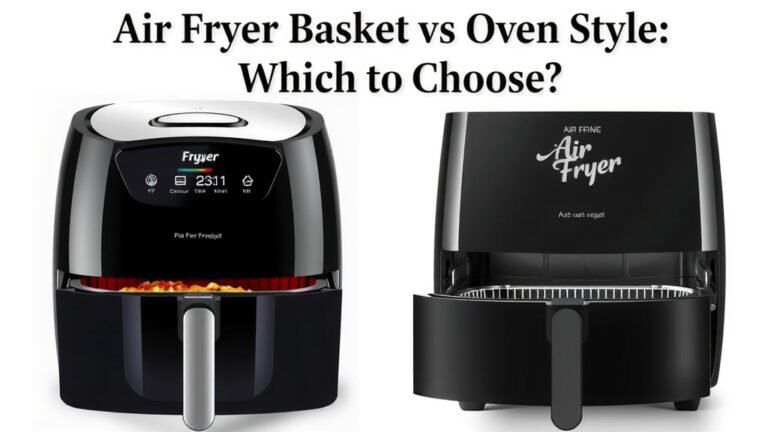

Air Fryer Benefits and Side Effects Explained
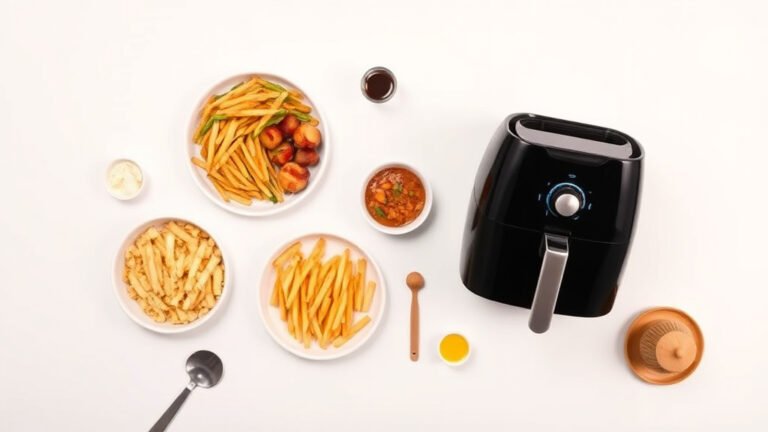
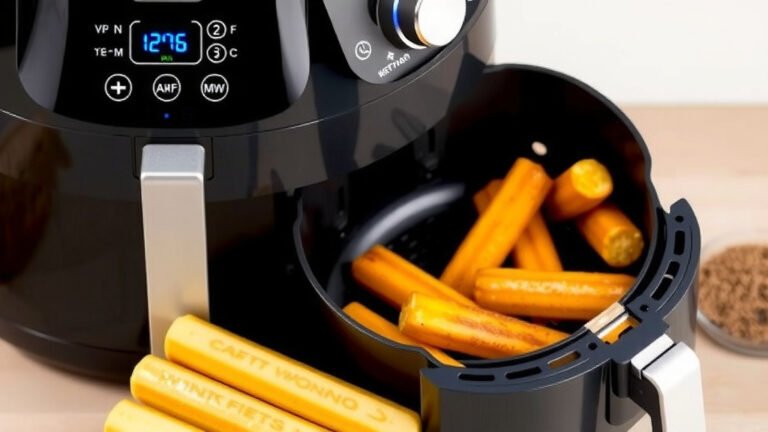
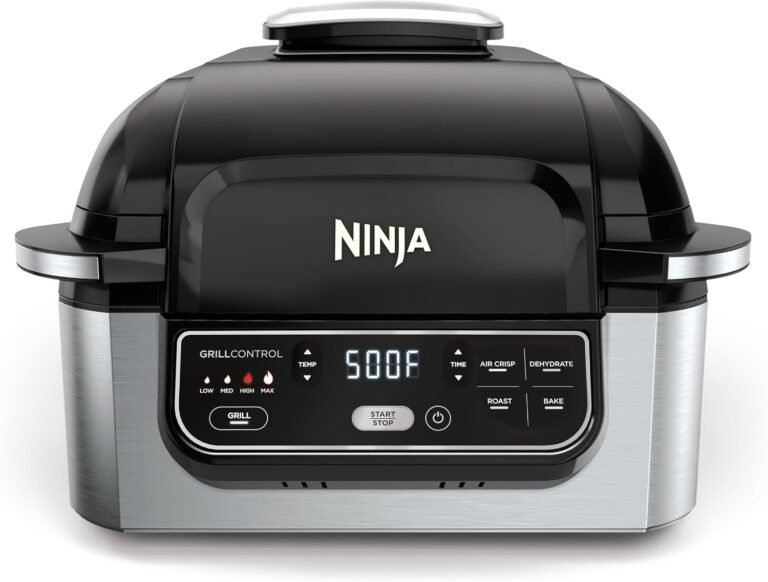
Air fryers are popular because they make crispy food with far less oil, but they also come with a few real downsides you should know about. We found that the biggest benefit is cutting calories and fat, while the main side effects include potential dry food, countertop space issues, and safety concerns if you use them wrong. The key is knowing how to use yours properly to get the good without the bad.
This hot-air cooking method is basically a small convection oven that circulates heat to create that crunch you love. Many experts say it’s a healthier swap for deep frying your favorite chicken wings, fries, and even veggies. However, the nonstick coating and high heat can be a problem if you don’t treat the appliance with care.
- Benefit: You use up to 85% less oil than traditional deep frying.
- Benefit: Cooking is faster and easier than heating up your whole oven.
- Side Effect: Food can come out dry or rubbery if you overcook it or crowd the basket.
- Side Effect: The space is limited, so cooking for a big family takes multiple batches.
- Safety Note: Always keep the vents clear to avoid overheating and possible damage.
Below, we break down exactly how to maximize the good stuff while steering clear of the common pitfalls every air fryer owner faces.
Air Fryer Perks: What You Actually Gain
You bought the hype, and honestly, part of it is real. We found that making crispy fries at home with a spoonful of oil instead of a whole carton is a game-changer for your waistline. It also saves you time because there is no preheating required like a full-size oven.
Think of it as a focused, tiny tornado of hot air. That tornado cooks food fast, giving you that crunch without the greasy aftermath. For busy weeknights, this appliance pulls its weight in a way your regular oven just cannot.
Lower Fat and Calorie Intake
Deep-fried foods can pack a serious caloric punch. Research shows that swapping to an air fryer can cut fat content by up to 75% compared to traditional frying methods (National Institutes of Health). That is a huge win if you are watching your heart health or just trying to drop a few pounds.
You still get that satisfying crunch. You just do not get the heavy, greasy feeling that usually follows a deep-fried meal. We found that this simple swap makes it easier to stick to healthy eating goals without feeling deprived.
Faster Cooking and Easy Cleanup
Forget waiting twenty minutes for the oven to preheat. The hot air circulation cooks food about 20% to 30% faster than a conventional oven. That means dinner is on the table quicker, which is always a win.
Cleanup is a breeze, too, since most baskets have a nonstick coating. You just pop the basket in the dishwasher and you are done. No scrubbing baked-on grease off sheet pans or dealing with splattered oil on the stovetop.
Potential Downsides of Air Fryer Cooking
No appliance is perfect, and we found that air fryers have a few quirks you need to manage. The biggest complaints usually revolve around texture issues and space limitations. Understanding these pitfalls ahead of time helps you avoid wasting money or getting frustrated with your meals.
It is not about scaring you away. It is about making sure you know how to handle the machine so it actually works for your lifestyle.
The Dry or Rubbery Food Problem
High heat and strong airflow can zap moisture quickly. If you leave chicken breasts in there for five minutes too long, you get something that resembles a rubber shoe sole. We found that this is the number one beginner mistake.
You also need to shake the basket halfway through cooking. If you do not, the food on top might burn while the bottom stays soft. It requires a bit more attention than just throwing a tray in the oven.
How to Keep Food Moist
Do not be afraid to toss your food in a teaspoon of oil before cooking. A little bit of fat helps transfer heat and keeps things juicy. Lightly spraying or brushing the food creates a better crust and prevents that dried-out texture.
Also, check the food a few minutes early. Air fryers cook fast, so trust your eyes and a meat thermometer, not just the timer. Once you learn the sweet spot, you will nail that perfect crispy exterior and tender inside.
Limited Capacity for Larger Meals
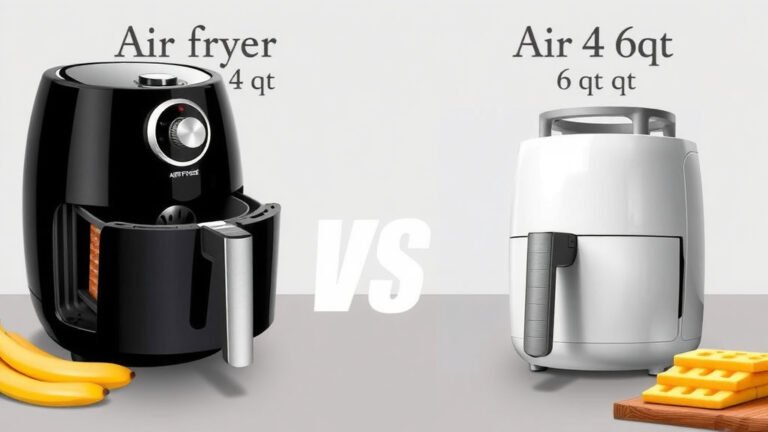
If you are cooking for a family of five, you will likely be doing multiple batches. Most standard air fryers only hold about three to five quarts. That is perfect for two people, but it gets cramped quickly when you need to feed more mouths.
We found that you cannot just stack food in the basket, either. Overcrowding stops the hot air from circulating, which leads to soggy results. If you have a big family, look for a larger model or be prepared to cook in shifts, keeping the first batch warm in a low oven.
Health and Safety Considerations
Safety is a big topic when it comes to hot countertop appliances. Air fryers are generally safe, but there are a few things you should keep in mind. The machine gets extremely hot, so placement matters more than you might think.
We found that most safety issues come down to user error, not the appliance itself. Paying attention to a few simple rules prevents meltdowns and potential kitchen fires.
Acrylamide Formation in Certain Foods
Cooking starchy foods like potatoes at high temperatures creates a chemical called acrylamide. Many guidelines and studies link this compound to increased cancer risk in animals (Mayo Clinic). Air frying actually produces significantly less acrylamide than deep frying, which is a plus.
However, the risk is not zero. To minimize it, avoid cooking potatoes until they are dark brown or burnt. Golden and crispy is your goal, not charred. Soaking sliced potatoes in water for 30 minutes before cooking also helps reduce acrylamide formation.
Nonstick Coating Maintenance
Most air fryer baskets use a nonstick coating that can flake off if you mishandle them. Using metal tongs or abrasive scrubbers scratches that surface. Once the coating is damaged, it can get into your food and reduce the lifespan of the appliance.
Stick to silicone, wood, or plastic utensils to keep the basket safe. Hand washing with a soft sponge is gentler than the dishwasher, even if the box says it is dishwasher safe. A little care here goes a long way.
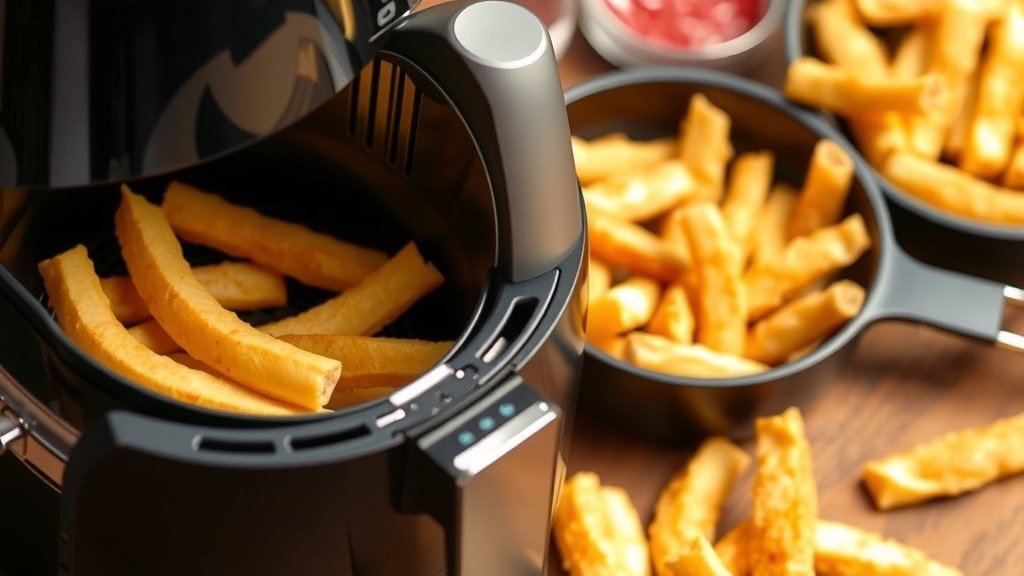
Smart Usage Tips Every Owner Needs
Using your air fryer correctly is not hard, but it takes a tiny bit of mindfulness. We found that spacing out your food is the secret to crispy results. If you are cooking for one or two, this appliance is a dream come true.
Treat the air fryer like a mini convection oven, not a microwave. It does not just heat food; it transforms it. Keep these tips in mind to get the best texture and flavor out of everything.
- Do not crowd the basket: Leave space between pieces for proper air flow.
- Shake or flip halfway: This ensures even browning on all sides.
- Preheat for a few minutes: This gives you a better crunch from the start.
- Use a light oil spray: Helps browning and seasonings stick to food.
- Silicone liners are your friend: They make cleanup faster and protect the coating.
- Test cooking times: Start with less time and add more if needed.
Comparing Air Frying vs. Other Cooking Methods
Sometimes seeing the numbers helps you decide if this appliance fits your kitchen. We found that air frying sits comfortably between deep frying and baking in terms of health and convenience. It is not magic, but it is a solid middle ground.
When you compare the texture, air frying gives you about 80% of the crispiness of deep frying. The trade-off is a drier surface and less rich flavor. For many people, that is a fair trade for saving hundreds of calories.
| Method | Oil Needed | Calories | Crispiness | Cleanup Time |
|---|---|---|---|---|
| Deep Frying | 3 to 4 cups | Highest | Maximum | Long (oil disposal) |
| Air Frying | 1 to 2 teaspoons | Low | High | Quick (basket wash) |
| Oven Baking | 1 to 2 tablespoons | Medium | Medium | Medium (sheet pan) |
Conclusion
Air fryers give you crispy food with a fraction of the oil, and that is a real win for most home cooks. You get faster meals, easier cleanup, and fat savings that add up quickly. The catch is managing dry food, limited space, and a few safety rules.
Treat yours like a mini convection oven, not a microwave. Give your food room to breathe, shake the basket halfway, and check for doneness early. Use silicone tools to protect the coating, and never crowd the basket.
Our advice? Start with a small batch of something simple like fries or chicken tenders. Practice the timing and oil tricks we covered. Once you nail that first perfect batch, you will build confidence fast and make this appliance a regular in your weekly rotation.
Frequently Asked Questions
Do air fryers really make food taste like deep-fried food?
You get close, but it is not identical. Air fryers give you that satisfying crunch you want, usually about 80% of the crispiness of deep frying.
The texture is drier on the surface and less rich in flavor. A light coating of oil helps close that gap. Many people find the trade-off worth it for saving hundreds of calories.
Can you put aluminum foil or parchment paper in an air fryer?
Yes, you can use both, as long as you do it safely. Parchment paper with holes, made specifically for air fryers, allows proper air circulation.
Never let foil or paper touch the heating element, and always weigh it down with food. Loose paper can fly around inside and cause a fire hazard. Keep it secure and you will be fine.
Is an air fryer safe to leave unattended while cooking?
No, you really should stay nearby while it runs. Most air fryer fires happen when food with high fat content overheats or crumbs catch fire.
Check your food halfway through anyway, since most recipes need a shake or flip. Treat it like you would any hot appliance. A quick glance every few minutes is all it takes.
Why does my air fryer smell like burning plastic?
That is usually the manufacturing oils and protective coating burning off on your first few uses. Running the machine empty at a high temperature for 10 to 15 minutes gets rid of it.
Wash the basket thoroughly with warm soapy water before first use. If the smell lingers after several uses, contact the manufacturer. It should clear up quickly as the appliance breaks in.
Can you reheat leftovers in an air fryer?
Yes, and it is honestly one of the best uses for it. Pizza, fried chicken, and French fries come back to life with that crisp crunch a microwave just cannot match.
Reheat at around 350°F for 3 to 5 minutes, checking often so nothing burns. You may need to add a minute or two for thicker foods. It is faster and tastier than you might think.