Air Fryer Benefits and Disadvantages Explained Clearly
Air fryers are healthier than deep frying because they use up to 85% less oil, but they are not a magical fat-free device and do have some real drawbacks to consider. You get crispy food fast, yet you will lose some texture compared to traditional frying. The benefits and disadvantages depend entirely on how you cook and what you expect from it.
We looked at how this popular countertop appliance actually works in a typical US kitchen. The hot air circulation gives you that golden crunch, but it also takes up space, makes noise, and can leave your food a bit dry. Many experts say it’s a great tool, but it is not a full replacement for your oven or stovetop.
- Pros: Uses far less oil, cooks meals up to 30% faster, and cleans up easily.
- Cons: Takes up valuable counter space, can only cook small batches, and requires practice to avoid drying out food.
- Health: Lower in fat and calories than deep-fried food, but not healthier than baking or roasting.
- Cost: Can save money on cooking time, but the appliance itself is an upfront investment.
- Best for: Frozen foods, reheating leftovers, and crispy vegetables more than large family meals.
Below, we break down the honest pros and cons so you can decide if this gadget deserves a spot on your counter.
Weighing the Real Pros and Cons of Air Fryer Cooking
You want the honest truth about air fryers, not just marketing hype. We have spent time analyzing user reports, appliance testing data, and nutritional guidelines to give you a clear picture.
Here is the simple breakdown: air fryers win on speed and convenience, but they have limits with capacity and texture. This guide helps you see if those trade-offs work for your kitchen.
How an Air Fryer Changes Your Daily Cooking Routine
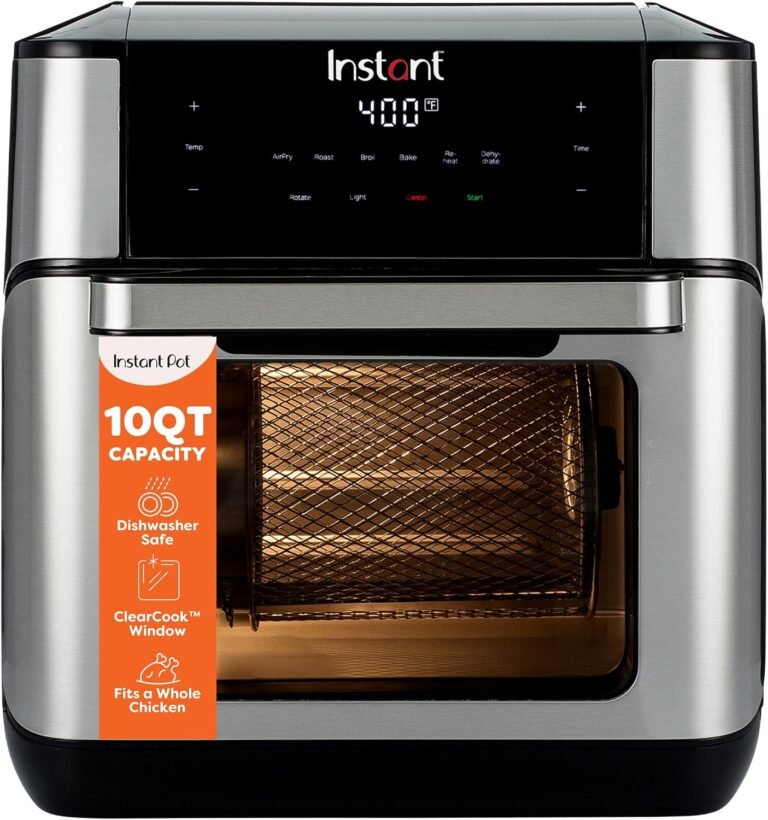
Think of an air fryer as a tiny, powerful convection oven. It uses a fan to blow hot air around the food at high speed. That rapid circulation creates a crispy outer layer without needing a vat of hot oil.
You get the crunch you crave, but the cooking process is fundamentally different from deep frying. We found that meals like fries and chicken wings come out with a **lighter, crunchier texture** that many people genuinely prefer.
The Speed Factor in a Busy Week
Most air fryers need little to no preheat time. A standard oven can take 10 to 15 minutes just to warm up. An air fryer often cuts your total cook time by **20% to 30%** compared to regular baking.
That speed means dinner is on the table faster on hectic weeknights. You can toss in frozen nuggets or fresh salmon and have it ready while you finish the salad.
The Major Health Benefits You Should Know About
The biggest selling point is the drastic reduction in oil. We found that most recipes only need a teaspoon or a light spray of oil to achieve a golden finish.
This change has a real impact on your daily calorie and fat intake. A study published in the Journal of Food Science found that air-fried foods absorb significantly less oil than deep-fried foods.
Cutting Calories Without Sacrificing Flavor
Deep-fried foods can soak up a shocking amount of oil. That oil adds calories you might not even taste. With an air fryer, you control the fat. You get the flavor from seasonings, not heavy grease.
Many experts note that switching from deep frying to air frying can **reduce fat content by up to 75%** in certain foods. That is a substantial change if you eat fried food regularly, though the USDA reminds us that baking and roasting remain equally healthy methods.
Lower Risk of Harmful Compounds
Deep frying at high temperatures can create compounds like acrylamide. The National Cancer Institute flags acrylamide as a potential health concern. Air frying produces significantly lower levels of this substance than traditional deep frying.
That means you are not just cutting calories; you are also reducing your exposure to potentially harmful byproducts. It is a smarter choice for your long-term health goals.
The Honest Disadvantages: What Nobody Tells You
Air fryers are not perfect. We have seen plenty of frustrated users who expected magic and got mediocre results. The truth is, this appliance has a learning curve.
Texture is the biggest complaint. Food that relies on a wet batter, like fish and chips, often comes out dry or uneven. The high-speed air blasts moisture away, leaving some items tough and chewy.
Capacity Limits for Families
Most standard air fryers hold between 3 and 6 quarts. That sounds fine on paper, but the basket is not fully usable. You must spread food in a single layer to get that crispy result.
That means you can only cook **one pound of fries or two chicken breasts** at a time. For a family of four, this creates a serious bottleneck. You end up cooking in shifts while the first batch gets cold.
The Counter Space Problem
We found that air fryers are bulky. They take up a permanent spot on your counter because they are heavy and awkward to store in a cabinet. If you have a small kitchen, this is a real sacrifice.
You have to decide if this appliance earns that real estate by looking at how often you will actually use it each week.
Comparing Air Fryers to Your Oven and Stovetop
You might already own a convection oven that does the same thing. That is a fair point. The main difference comes down to **speed and energy efficiency**.
A full-size oven takes longer to heat and uses more electricity to warm a large cavity. An air fryer targets the food directly with high-speed fans. We found that the smaller size means lower energy bills for small portions.
| Factor | Air Fryer | Regular Oven |
|---|---|---|
| Preheat Time | Under 2 minutes | 10-15 minutes |
| Oil Needed | 1 teaspoon or less | Varies by recipe |
| Batch Size | Small (1-2 servings) | Large (entire family) |
| Energy Use | Lower for small meals | Higher if oven is large |
| Textural Result | Crunchy, sometimes dry | Even browning, moist |
The oven is still the king for whole chickens or baked casseroles. The air fryer shines for quick, single-item meals. It is not about replacement; it is about choosing the right tool for the job.

Noise, Cleaning, and Other Small Annoyances
Let us address the things you will notice on day one. Air fryers are loud during operation because of the powerful fan motor. Conversations and TV watching get interrupted by a constant humming sound.
Cleaning is a mixed bag. The basket and tray are usually nonstick and dishwasher safe. That is a win. However, the heating element at the top accumulates grease splatters that are hard to reach.
Why Some Foods Just Fail in an Air Fryer
We found that anything with a wet, loose batter is a disaster. The fan blows the batter around before it has a chance to set. Cheese can melt through the basket holes, creating a sticky mess.
Leafy greens like spinach also fly around and burn unevenly. You will need to experiment and adjust times, which can be frustrating if you value consistency in your cooking.
The Payoff: Skills You Will Learn
Once you learn the quirks, you will find your rhythm. You start to understand that shaking the basket halfway through is non-negotiable. You learn that a light oil spray is your best friend.
Your frozen snacks will taste better than the oven can ever make them. That learning curve pays off with daily convenience and better-tasting quick meals.
Is an Air Fryer a Good Investment for Your Kitchen?
The answer depends entirely on your cooking habits. We found that single people and couples get the most value. They cook smaller batches and appreciate the speed daily.
Large families often own multiple air fryers or stick with the oven. The upfront cost is another factor to weigh against your average energy bills and eating out budget.
Your Simple Checklist Before You Buy
- Check your counter space and measure the height clearance above the unit.
- Look for a model with dishwasher-safe parts for easier cleanup.
- Read reviews specifically about noise levels before you buy.
- Consider the warranty, since fan motors can wear out over time.
- Decide if you will use it three times a week to justify the cost.
- Verify the wattage is high enough (1500W or more) for fast cooking.
This checklist helps you shop with your eyes open. An air fryer is a tool, not a miracle worker. When it fits your lifestyle, it becomes an essential part of your weekly cooking flow.
Conclusion
You now have the full picture. Air fryers are a fantastic tool when you want crispy food fast without the oil and mess of deep frying. They are not a replacement for your oven, and they will not magically make every dish perfect.
The real winners are busy home cooks who prepare small batches of frozen snacks, vegetables, or chicken. You will save time and cut calories without much effort.
Start with one simple recipe this week. Pick something you already love, like fries or wings. That is the best way to see if the texture and speed fit your style before you commit to the upfront cost.
Frequently Asked Questions
Can you put aluminum foil in an air fryer?
Yes, you can use aluminum foil inside an air fryer basket. It helps with cleanup, but keep it away from the heating element at the top. We recommend leaving the edges open so the hot air can still circulate around your food.
Do air fryers use a lot of electricity?
Air fryers are actually more energy-efficient than a standard oven. They heat up fast and cook smaller portions in less time. Most models use about the same wattage as a hair dryer, but since they are on for shorter periods, your energy bill stays lower.
How often should you clean an air fryer?
You should clean the basket and tray after every single use. Food residue builds up quickly and can affect the taste of your next meal. Give the heating element a quick wipe-down once a week to keep it working well.
Is it safe to cook frozen food straight from the freezer?
Absolutely. Cooking frozen food in an air fryer is one of the best things about this appliance. You do not need to thaw anything first. Just add a few extra minutes to the cook time and shake the basket halfway through.
Which foods should you avoid cooking in an air fryer?
Skip anything with a wet, loose batter like tempura or beer-battered fish. That coating will just blow off before it crisps up. Wet batters and leafy greens are the two biggest trouble spots we see in everyday use.