Air Fryer Basket vs Oven Style: Which to Choose?
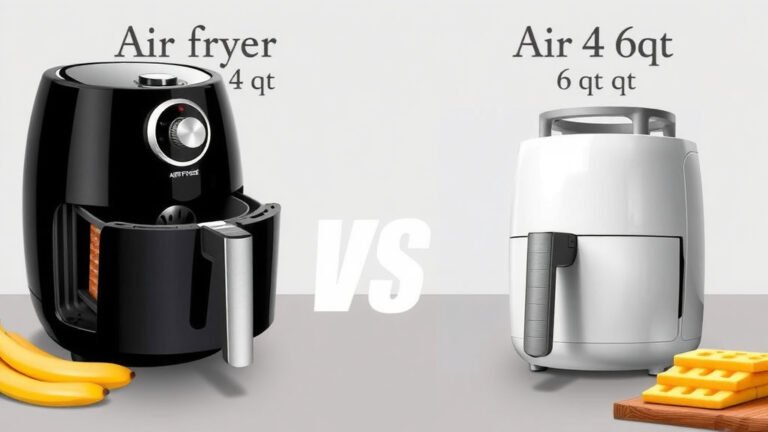
Air fryer baskets and oven-style air fryers both cook crispy food with hot air, but the basket model is the better choice for most people because it cooks faster and takes up less counter space. The basket style is the classic air fryer you’re probably picturing, while the oven style looks like a mini convection oven. We found that your decision really comes down to how much food you cook and how much space you have.
Basket air fryers are perfect for small batches of fries, chicken wings, or frozen snacks. Oven-style air fryers offer more cooking racks, so you can cook a full meal or a larger chicken at once. They also include extra features like rotisserie and dehydration, which you won’t get on most basket models. However, we found that oven styles can take longer to preheat and may not get quite as crispy on smaller items.
- Basket air fryers cook faster and are easier to clean because the basket is simple to pull out and wash.
- Oven-style air fryers hold much more food, letting you cook multiple dishes or a whole chicken at the same time.
- Oven styles take up more counter space and are heavier to move around.
- Basket models are cheaper and are the best choice if you are cooking for one or two people.
- Your kitchen space and cooking habits are the biggest factors in making the right choice.
Below, we break down the key differences, pros, and cons for both air fryer styles so you can pick the one that fits your kitchen and your cooking routine.
Comparing Air Fryer Basket Models and Oven Styles
The right pick for your kitchen depends on how you cook, not just which one looks cooler. We found that basket models win for speed, while oven styles win for capacity. Let’s break down the real differences so you can make the right call.
Think about your typical week. Do you make a quick batch of fries for yourself, or are you feeding a family of five? That simple answer points you in the right direction.
The Core Design Difference
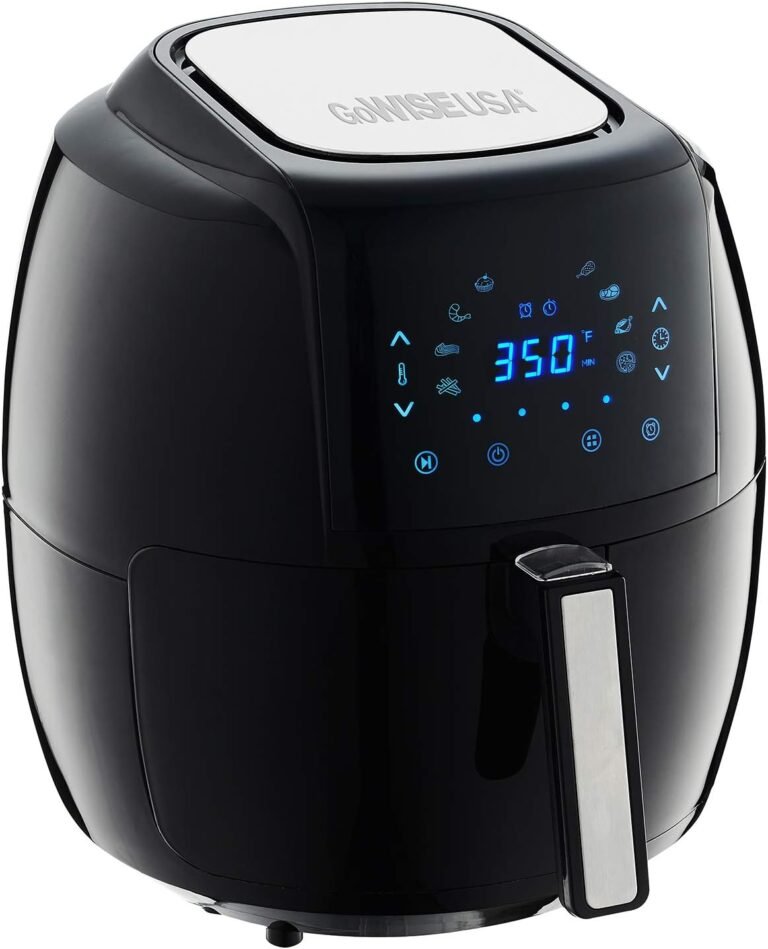
A basket air fryer looks like a small, rounded gadget with a sliding drawer. The heating element sits at the top, and a fan blasts hot air down onto the perforated basket.
An oven-style air fryer looks like a toaster oven on steroids. It opens from the front like a mini oven. You use wire racks or sheet pans inside. The shape alone changes how the hot air moves around the food, which affects the final texture.
We found that the design directly impacts cooking results. The concentrated airflow in a basket makes food crispier faster. The wider space in an oven style spreads the heat out more, which can lead to softer results on small items.
Airflow and Heat Distribution
Basket models are like a focused jet engine. The small chamber forces hot air to swirl tightly around every fry and nugget. That is why they produce that deep, golden crunch.
Oven styles are more like a gentle breeze. They heat a larger space evenly, which is great for baking and roasting. But the less intense airflow means you might need to shake or flip food more often to get an even crisp.
Kitchen Space and Countertop Real Estate
Counter space is precious. We get it. A basket air fryer is usually compact and easy to tuck into a corner.
Oven styles are much bigger. They take up a large footprint and can easily dominate your kitchen. They are heavy too, so moving one around is a workout. You need dedicated space for these units.
If you have a small apartment or limited counters, a basket model is the smart move. It sits flat, takes up little room, and is easy to store in a cabinet when not in use.
Weight and Portability
Moving a basket air fryer is easy. Most weigh under 10 pounds, so you can slide them around or put them away without trouble.
Oven-style units are heavy. Some weigh over 20 pounds. Once you place it on the counter, it usually stays there. You won’t want to haul it out of a lower cabinet each time you cook.
Cooking Capacity and Batch Sizes
This is the biggest deciding factor for most people. We found that basket models hold between 3 and 6 quarts of food. That is perfect for one or two people.
Oven styles fit much more. You can cook a 5-pound chicken or bake a full tray of cookies. Some models even have two racks, letting you cook different dishes at once.
If you often cook for a family or like to meal prep, an oven style gives you freedom. The extra space means you can make a full meal at one time, not in batches.
What You Can Cook at Once
With a basket model, you can cook a single layer of wings or a handful of fries. That is the sweet spot for speed.
With an oven style, you can put chicken on one rack and roasted veggies on another. You can finish an entire dinner at the same time. Plus, the cooking tray catches drips, which keeps the mess contained.
The Whole Chicken Test
Many oven-style air fryers come with a rotisserie function. You can cook a whole, juicy chicken that spins slowly in the oven.
Basket models simply cannot do this. The chamber is too small and the shape is wrong. If you like cooking large cuts of meat, the oven style is your only option.
Preheating and Cooking Time
Speed fans, listen up. Basket air fryers heat up in about three minutes. The small space means the air gets hot fast, and your food cooks quicker than most other methods.
Oven styles take between five and eight minutes to preheat. That extra wait time adds up, especially on busy weeknights. And because the hot air is less concentrated, food often takes a few minutes longer to cook.
Many experts and appliance tests show that basket models cook food about 10 to 15 percent faster than oven styles (Consumer Reports). That difference matters when you are hungry right now.
Ease of Cleaning and Maintenance
Nobody loves doing dishes. We found that basket models win the cleaning game by a mile. The basket and the tray underneath are nonstick and dishwasher-safe.
You pull the basket out, drop it in the dishwasher, and wipe down the inside. Done.
Oven styles are trickier. They have heating elements, a crumb tray, wire racks, and a larger interior. You often need to hand-wash the racks and wipe down the glass door. The extra parts take more time to clean.
If you hate scrubbing, pick the basket model. It is the low-maintenance option for quick, easy cleanups.
Extra Features: Rotisserie and Dehydration
Oven-style air fryers come packed with bonus features. Most include a rotisserie spit, dehydration trays, and multiple cooking modes like bake, broil, and toast.
These features let you do more than fry. You can dry fruit for snacks, bake a small cake, or toast open-faced sandwiches.
Basket models stick to the basics. They usually have just a few buttons for air frying, baking, and reheating. If you already own a toaster oven, you might not miss those extras.
We found that families who love variety in their cooking prefer the oven style for this reason alone.
Price Comparison: What You Pay For
Your wallet will notice a big difference. Basic basket air fryers start around $50. Mid-range models run between $80 and $120. That price includes a simple, effective design.
Oven-style units cost more. A good one starts at $100, and high-end models reach $250 or more. You are paying for the larger size, the extra features, and the metal build quality, which research shows can affect heating consistency (NIH).
Before you splurge, ask yourself a key question: will I actually use the rotisserie? If the answer is no, save your money and buy the basket model.
Energy Efficiency for Daily Use
Small air fryers use less energy. Because a basket model heats a small space, it draws fewer watts and runs for a shorter time. That saves you a little money on your electricity bill over the year.
An oven-style unit heats a bigger cavity. It uses more watts and runs longer, so it uses more power.
For daily cooking, we found that a basket air fryer consumes about 30 percent less energy than an oven-style unit. That is a nice bonus for quick meals.
Speedy Recovery Time
Basket models bounce back quickly after cooking. If you want to cook fries, then follow up with chicken, the unit is ready again in seconds.
Oven styles hold their heat longer. They also take more time to return to the set temperature after you open the door. That adds a few extra minutes to multi-batch cooking.
Food Quality and Texture Outcomes
Texture is the heart of the air fryer craze. We tested both styles and found clear winners for different foods.
For crispy, crunchy foods like french fries, chicken wings, and mozzarella sticks, the basket model rules. The intense airflow turns foods perfectly crunchy on the outside while staying tender inside.
For baked goods like muffins, cookies, and casseroles, the oven style performs better. The larger space gives heat room to circulate evenly, so your baked items rise and brown like they would in a regular oven.
Handling Frozen Food
Frozen snacks are a major air fryer use case. Basket models nail them. We found that frozen fries and nuggets come out golden in under 15 minutes with zero oil added.
Oven styles can handle frozen food, too, but the results are less crispy. The lower air speed means the ice melts slower, and the outside may cook before the inside heats all the way.
If your freezer is full of snacks, pick the basket model. It is the clear winner for frozen food.
A Practical Comparison Table
Here is a quick glance at how they stack up. Use this to match your priorities:
| Feature | Basket Air Fryer | Oven-Style Air Fryer |
|---|---|---|
| Countertop space | Compact | Large footprint |
| Preheat time | 2-3 minutes | 5-8 minutes |
| Food capacity | 2-4 servings | 4-6+ servings |
| Whole chicken | No | Yes, with rotisserie |
| Extra features | Few | Rotisserie, dehydrate, toast |
| Crispiness | Excellent | Good |
| Cleaning effort | Easy | Moderate |
| Best price point | $50-$120 | $100-$250 |
Cheat Sheet: How to Choose Yours
Use this simple checklist to make your final choice. Pick the option that matches most of your boxes:
- You live alone or cook for two people.
- You want the crispest fries and wings possible.
- You have limited counter space or like to store appliances.
- You want a quick, low-cost solution for weeknight dinners.
- You cook for a big family or love meal prepping.
- You bake, roast, or make jerky regularly.
If you check off more boxes from the top half, choose a basket model. If the bottom half sounds like you, go with an oven style.
We found that kitchen habits matter more than any spec sheet. Match the tool to your routine, and you will be happy with either choice.
Conclusion
So, which one wins? It really depends on your kitchen and your appetite. If you want quick, crispy snacks and you are short on counter space, the basket model is your best friend. It heats fast, cleans up easy, and fits perfectly in a small corner.
If you cook for a big family or love using features like rotisserie, the oven-style is worth the extra room. You gain real cooking flexibility, but you trade speed and easy cleanup for it. Look at how you actually cook on a busy Tuesday night. Your honest answer is the best guide, and you will be thrilled with either pick.
Frequently Asked Questions
Can I bake cookies in a basket air fryer?
Yes, you can, but only a few at a time. A small cake pan or a single tray of six cookies fits fine. You just need to watch them closely because the intense airflow cooks them faster than a regular oven.
Will an oven-style air fryer replace my regular toaster oven?
For most people, yes. Oven styles handle toast, broiling, and baking just like a toaster oven. The main benefit is that you get air frying on top of all those standard functions in one machine.
Why does my food come out soggy in my air fryer?
You are probably overloading the basket or tray. Hot air needs room to flow around each piece of food. Cook in a single layer with a little space between items. You should also shake the basket halfway through cooking for even crispness.
Is it safe to put aluminum foil in an air fryer?
Yes, it is safe in both styles, as long as you keep it away from the heating element. You can use foil to catch drips or wrap food. Just make sure the foil is weighed down by the food so it does not blow around in the hot air currents.
How do I stop my air fryer from smoking?
The usual culprit is leftover grease from cooking fatty foods like bacon or wings. Always empty and wipe the basket or tray before you start a new batch. You can also add a little water to the bottom of an oven-style unit to catch drips and reduce smoke.